
前列腺癌中的一碳代谢:雄激素信号传导的作用。
One-Carbon Metabolism in Prostate Cancer: The Role of Androgen Signaling.
作者信息
Corbin Joshua M, Ruiz-Echevarría Maria J
机构信息
Department of Pathology, Oklahoma University Health Sciences Center, Oklahoma City, OK 73104, USA.
Department of Pathology, Oklahoma University Health Sciences Center and Stephenson Cancer Center, Oklahoma City, OK 73104, USA.
出版信息
Int J Mol Sci. 2016 Jul 27;17(8):1208. doi: 10.3390/ijms17081208.
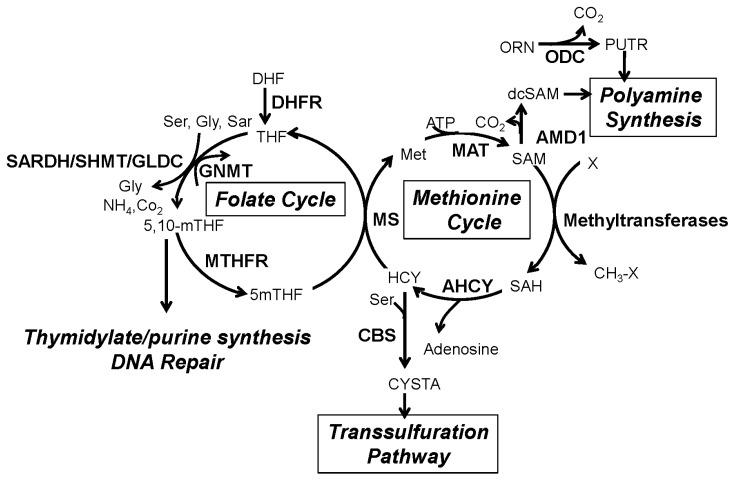
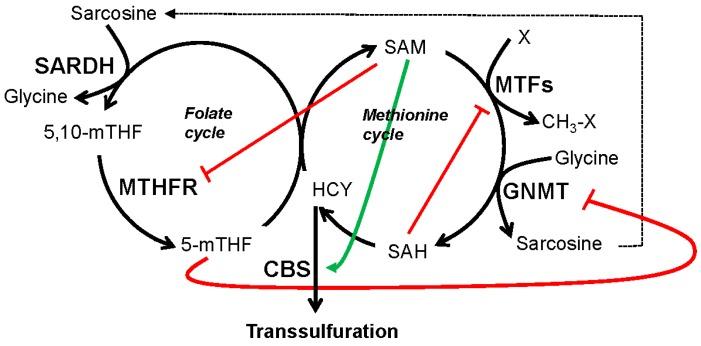
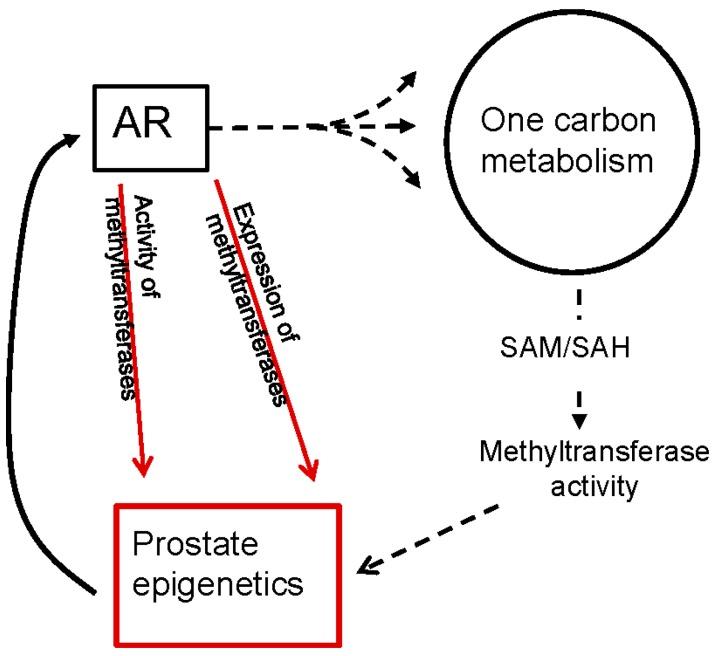
Cancer cell metabolism differs significantly from the metabolism of non-transformed cells. This altered metabolic reprogramming mediates changes in the uptake and use of nutrients that permit high rates of proliferation, growth, and survival. The androgen receptor (AR) plays an essential role in the establishment and progression of prostate cancer (PCa), and in the metabolic adaptation that takes place during this progression. In its role as a transcription factor, the AR directly affects the expression of several effectors and regulators of essential catabolic and biosynthetic pathways. Indirectly, as a modulator of the one-carbon metabolism, the AR can affect epigenetic processes, DNA metabolism, and redox balance, all of which are important factors in tumorigenesis. In this review, we focus on the role of AR-signaling on one-carbon metabolism in tumorigenesis. Clinical implications of one-carbon metabolism and AR-targeted therapies for PCa are discussed in this context.
癌细胞代谢与未转化细胞的代谢显著不同。这种改变的代谢重编程介导了营养物质摄取和利用的变化,从而实现高增殖率、生长和存活。雄激素受体(AR)在前列腺癌(PCa)的发生和发展以及该过程中发生的代谢适应中起着至关重要的作用。作为一种转录因子,AR直接影响几种基本分解代谢和生物合成途径的效应器和调节因子的表达。作为一碳代谢的调节剂,AR可间接影响表观遗传过程、DNA代谢和氧化还原平衡,所有这些都是肿瘤发生的重要因素。在本综述中,我们重点关注AR信号在肿瘤发生中对一碳代谢的作用。在此背景下讨论了一碳代谢的临床意义以及PCa的AR靶向治疗。

 Zotero 插件