
辣椒(Capsicum annuum L.)脱水素基因家族的全基因组鉴定、表达分化及CaDHN3的特性分析
Genome-Wide Identification, Expression Diversication of Dehydrin Gene Family and Characterization of CaDHN3 in Pepper (Capsicum annuum L.).
作者信息
Jing Hua, Li Chao, Ma Fang, Ma Ji-Hui, Khan Abid, Wang Xiao, Zhao Li-Yang, Gong Zhen-Hui, Chen Ru-Gang
机构信息
College of Horticulture, Northwest A&F University, Yangling, Shaanxi, P. R. China.
出版信息
PLoS One. 2016 Aug 23;11(8):e0161073. doi: 10.1371/journal.pone.0161073. eCollection 2016.
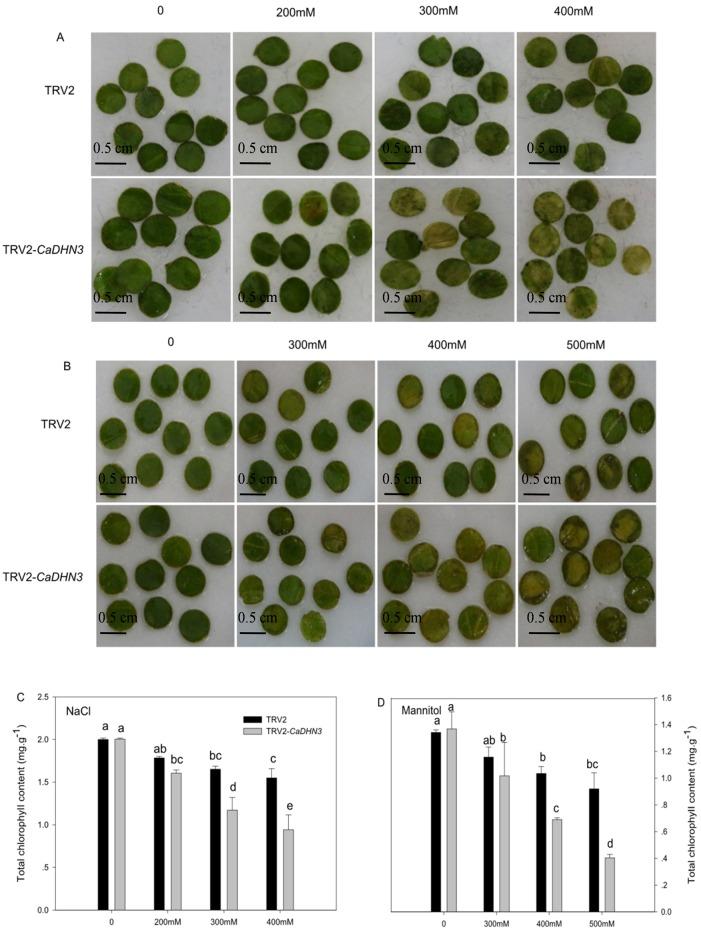
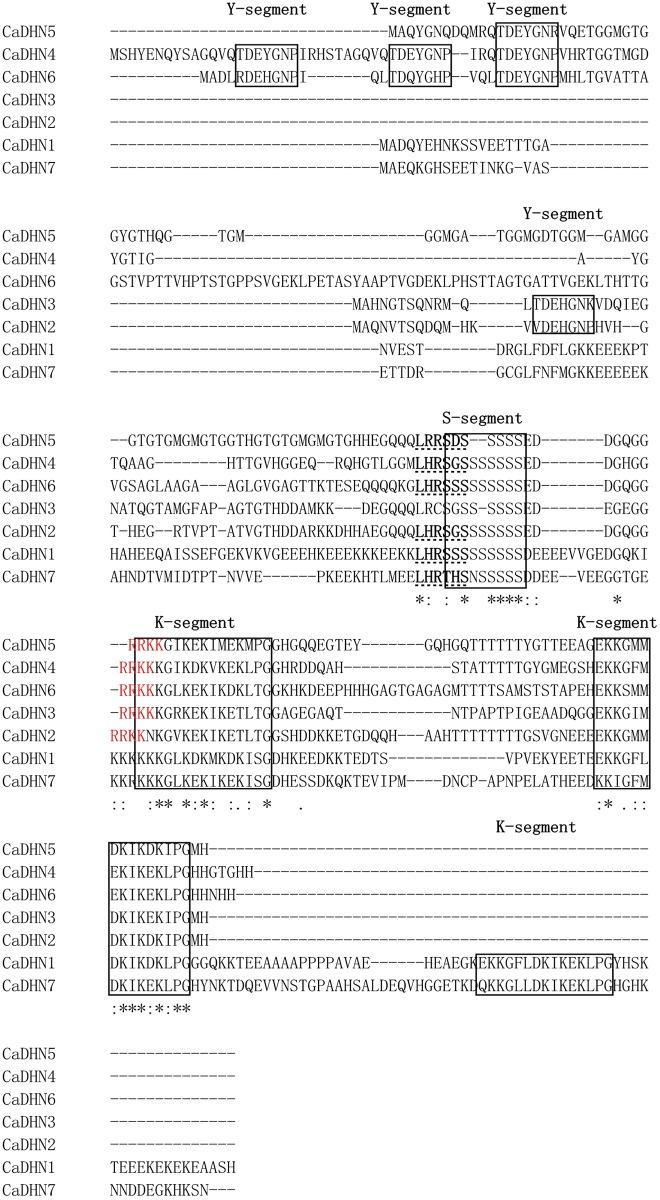
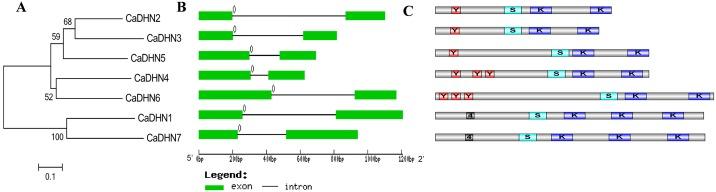
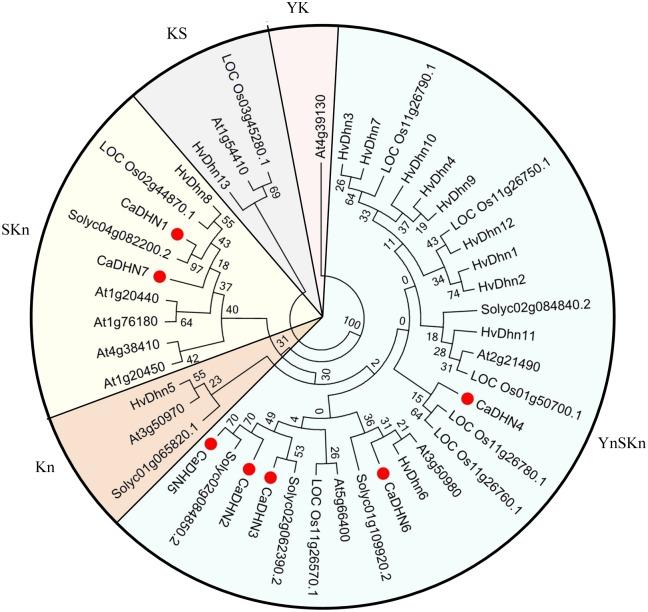
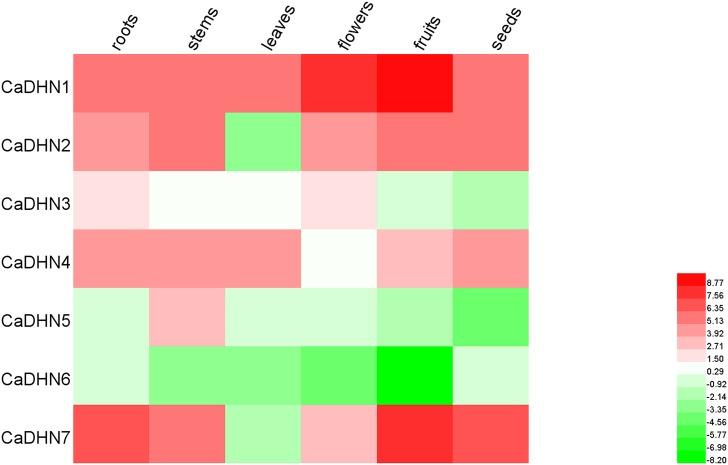
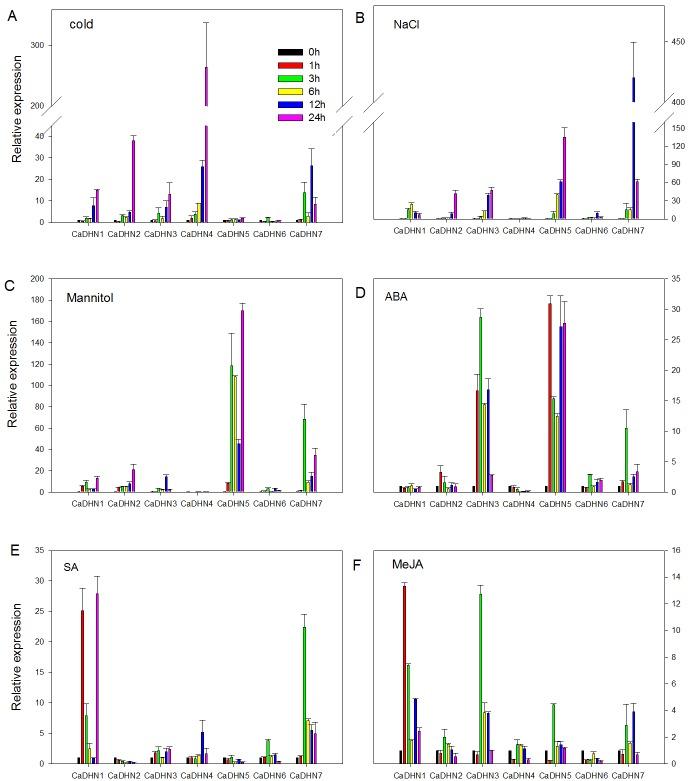
Dehydrins (DHNs) play a crucial role in enhancing abiotic stress tolerance in plants. Although DHNs have been identified and characterized in many plants, there is little known about Capsicum annuum L., one of the economically important vegetable crops. In this study, seven CaDHNs in the pepper genome were identified, which could be divided into two classes: YnSKn- and SKn-type, based on their highly conserved domains. Quantitative real-time PCR (qRT-PCR) results showed that the seven DHN genes were expressed in all tissues and might be involved in the growth and development of pepper. The gene expression profiles analysis suggested that most of the CaDHN genes were induced by various stresses (low temperature, salt and mannitol) and signaling molecules (ABA, SA and MeJA). Furthermore, the CaDHN3 (YSK2)-silenced pepper plants showed obvious lower resistance to abiotic stresses (cold, salt and mannitol) than the control plants (TRV2:00). So the CaDHN3 might act as a positive role in resisting abiotic stresses. This study lays the foundation for further studies into the regulation of their expression under various conditions.
脱水素(DHNs)在增强植物对非生物胁迫的耐受性方面起着关键作用。尽管脱水素已在许多植物中得到鉴定和表征,但对于经济上重要的蔬菜作物之一辣椒(Capsicum annuum L.),人们了解甚少。在本研究中,在辣椒基因组中鉴定出了7个CaDHNs,根据其高度保守的结构域,它们可分为两类:YnSKn型和SKn型。实时定量PCR(qRT-PCR)结果表明,这7个脱水素基因在所有组织中均有表达,可能参与了辣椒的生长发育。基因表达谱分析表明,大多数CaDHN基因受各种胁迫(低温、盐和甘露醇)和信号分子(脱落酸、水杨酸和茉莉酸甲酯)诱导。此外,CaDHN3(YSK2)基因沉默的辣椒植株对非生物胁迫(寒冷、盐和甘露醇)的抗性明显低于对照植株(TRV₂:00)。因此,CaDHN3可能在抵抗非生物胁迫中发挥积极作用。本研究为进一步研究它们在各种条件下的表达调控奠定了基础。

 Zotero 插件