
从葡萄汁中分离出的巴氏酵母(同义词:岑卜念珠菌)对葡萄灰霉病菌灰葡萄孢的生防能力及作用机制及其对酒精发酵的影响
Biocontrol Ability and Action Mechanism of Starmerella bacillaris (Synonym Candida zemplinina) Isolated from Wine Musts against Gray Mold Disease Agent Botrytis cinerea on Grape and Their Effects on Alcoholic Fermentation.
作者信息
Lemos Wilson J, Bovo Barbara, Nadai Chiara, Crosato Giulia, Carlot Milena, Favaron Francesco, Giacomini Alessio, Corich Viviana
机构信息
Department of Agronomy Food Natural Resources Animals and Environment, University of Padova Legnaro, Italy.
Department of Agronomy Food Natural Resources Animals and Environment, University of PadovaLegnaro, Italy; Interdepartmental Centre for Research in Viticulture and Enology, University of PadovaConegliano, Italy.
出版信息
Front Microbiol. 2016 Aug 15;7:1249. doi: 10.3389/fmicb.2016.01249. eCollection 2016.
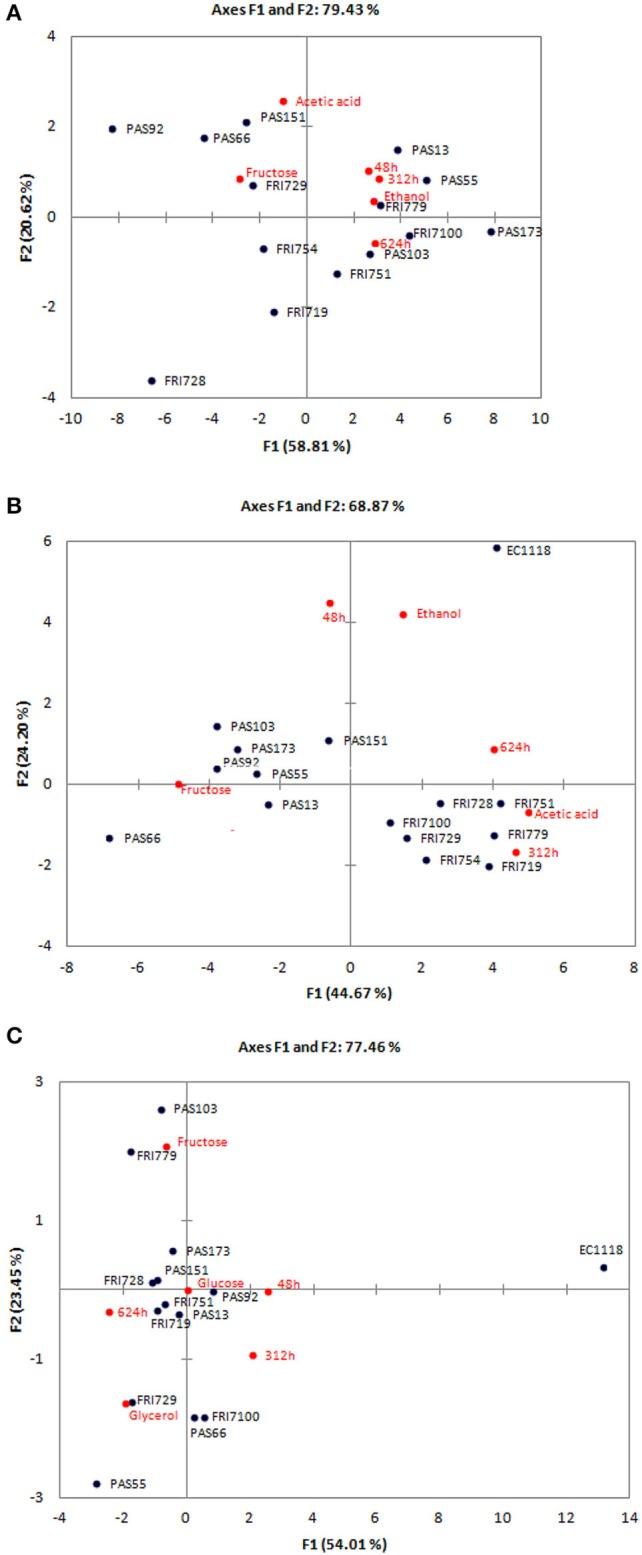
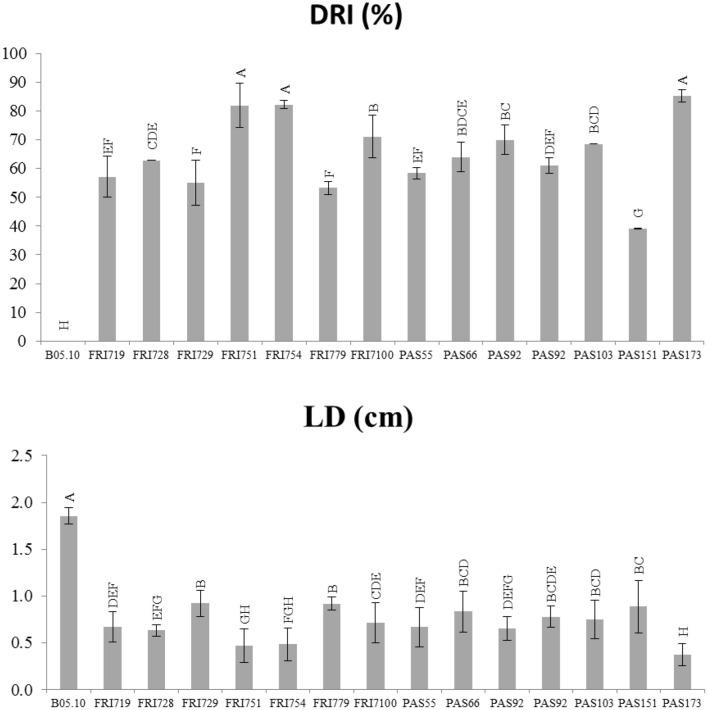
Gray mold is one of the most important diseases of grapevine in temperate climates. This plant pathogen affects plant growth and reduces wine quality. The use of yeasts as biocontrol agents to apply in the vineyard have been investigated in recent years as an alternative to agrochemicals. In this work, fermenting musts obtained from overripe grape berries, therefore more susceptible to infection by fungal pathogens such as Botrytis cinerea, were considered for the selection of yeasts carrying antifungal activity. Thirty-six isolates were identified as Starmerella bacillaris, a species recently proven to be of enological interest. Among them 14 different strains were studied and antifungal activity against B. cinerea was demonstrated, for the first time, to be present in S. bacillaris species. The production of volatile organic compounds (VOCs), tested in vitro, was found to be the main responsible of S. bacillaris antifungal effects. All the strains were able to reduce B. cinerea decay on wounded grape berries artificially inoculated with gray mold. The colonization level of wound was very high reaching, after 5 days, a concentration of 10(6) cells per ml of grape juice obtained after berry crushing. At this cell concentration S. bacillaris strains were used to ferment synthetic and natural musts. The sequential yeast inoculation, performed by adding S. cerevisiae 48 h after S. bacillaris, was needed to complete sugar consumption and determined a significant increase in glicerol content and a reduction of ethanol and acetic acid concentrations. The high wound colonization ability, found in this work, together with the propensity to colonize grape berry and the interesting enological traits possessed by the selected S. bacillaris strains allow the use of this yeast as biocontrol agent on vine and grape berries with possible positive effects on must fermentation, although the presence of S. cerevisiae is needed to complete the fermentation process. This work introduces new possibilities in wine yeast selection programs in order to identify innovative wine yeasts that are simultaneously antifungal agents in vineyards and alternative wine starters for grape must fermentation and open new perspective to a more integrated strategy for increasing wine quality.
灰霉病是温带气候下葡萄最重要的病害之一。这种植物病原菌会影响植物生长并降低葡萄酒品质。近年来,人们研究了使用酵母作为生物防治剂应用于葡萄园,作为农用化学品的替代方法。在这项研究中,选用了来自过熟葡萄浆果的发酵葡萄汁,因其更容易受到诸如灰葡萄孢等真菌病原体的感染,用于筛选具有抗真菌活性的酵母。36个分离株被鉴定为巴氏酵母属,该物种最近被证明具有酿酒学意义。其中对14个不同菌株进行了研究,首次证明巴氏酵母属中存在对灰葡萄孢的抗真菌活性。体外测试发现挥发性有机化合物(VOCs)的产生是巴氏酵母抗真菌作用的主要原因。所有菌株都能减少人工接种灰霉病的受伤葡萄浆果上的灰葡萄孢腐烂。伤口的定殖水平非常高,5天后,每毫升葡萄汁中达到10⁶个细胞的浓度,这是在浆果破碎后获得的。在这个细胞浓度下,巴氏酵母菌株被用于发酵合成和天然葡萄汁。在接种巴氏酵母48小时后添加酿酒酵母进行连续酵母接种,以完成糖分消耗,并显著提高甘油含量,降低乙醇和乙酸浓度。在这项研究中发现的高伤口定殖能力,以及在葡萄浆果上定殖的倾向,以及所选巴氏酵母菌株具有有趣的酿酒学特性,使得这种酵母可以用作葡萄园和葡萄浆果上的生物防治剂,对葡萄汁发酵可能产生积极影响,尽管需要酿酒酵母的存在来完成发酵过程。这项研究为葡萄酒酵母筛选计划引入了新的可能性,以识别创新的葡萄酒酵母,这些酵母同时是葡萄园中的抗真菌剂和葡萄汁发酵的替代葡萄酒起始剂,并为提高葡萄酒质量的更综合策略开辟了新的前景。

 Zotero 插件