
可溶性纤维前体tau蛋白和β-淀粉样蛋白在早期人类阿尔茨海默病中出现,并与疾病进展和认知衰退相关。
Soluble pre-fibrillar tau and β-amyloid species emerge in early human Alzheimer's disease and track disease progression and cognitive decline.
作者信息
Koss David J, Jones Glynn, Cranston Anna, Gardner Heidi, Kanaan Nicholas M, Platt Bettina
机构信息
School of Medical Sciences, University of Aberdeen, Foresterhill, Aberdeen, AB25 2ZD, UK.
Department of Translational Sciences and Molecular Medicine, College of Human Medicine, Michigan State University, Grand Rapids, MI, 49503, USA.
出版信息
Acta Neuropathol. 2016 Dec;132(6):875-895. doi: 10.1007/s00401-016-1632-3. Epub 2016 Oct 21.
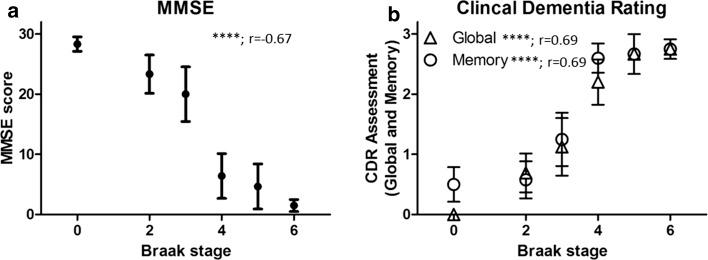
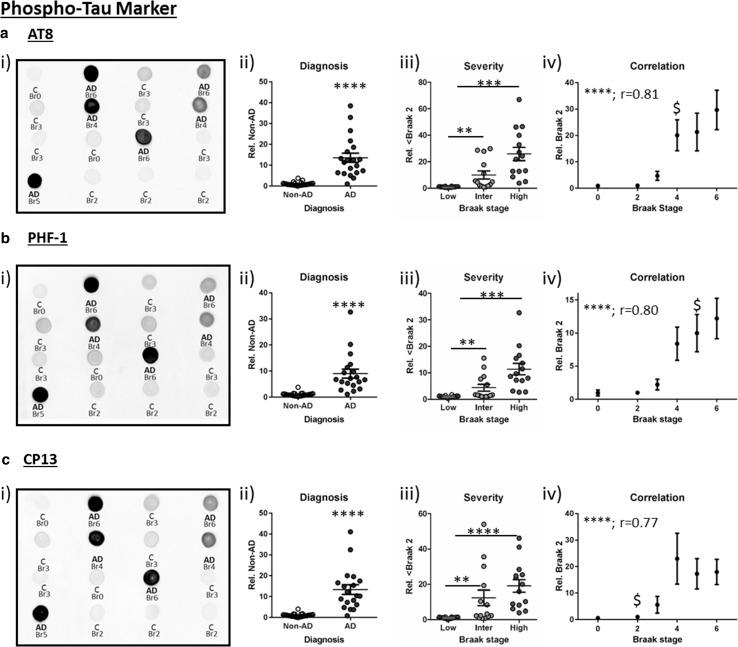
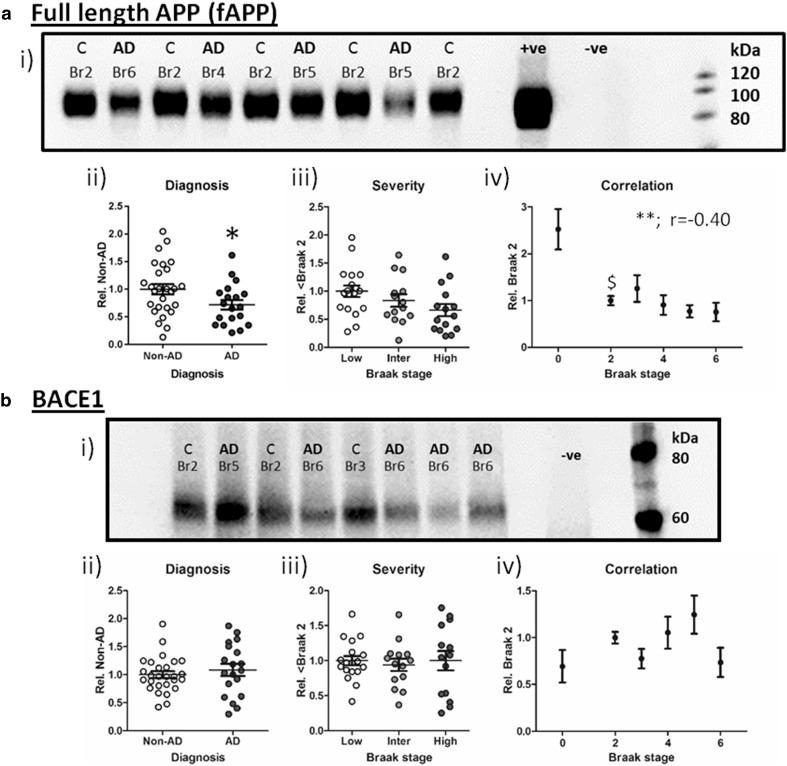
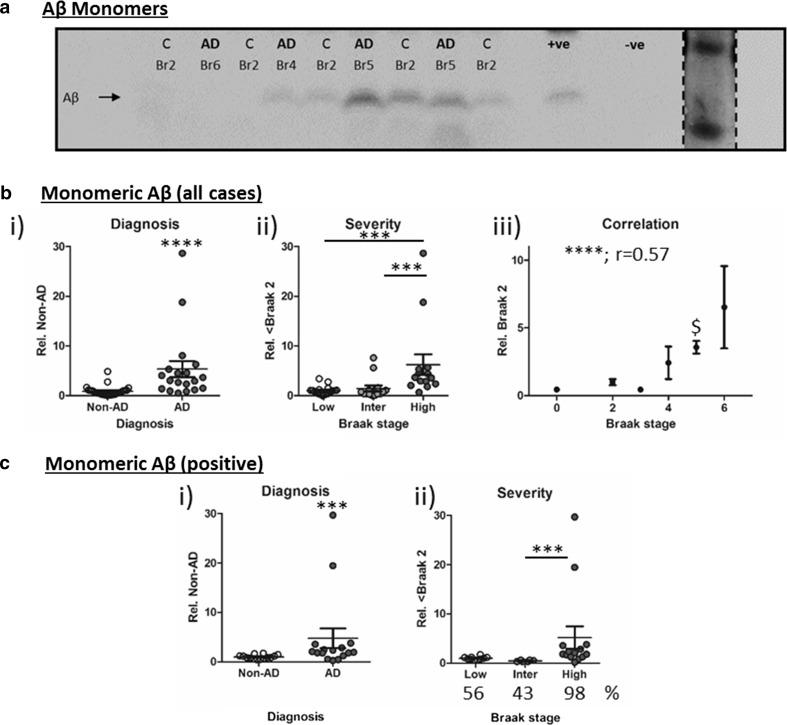
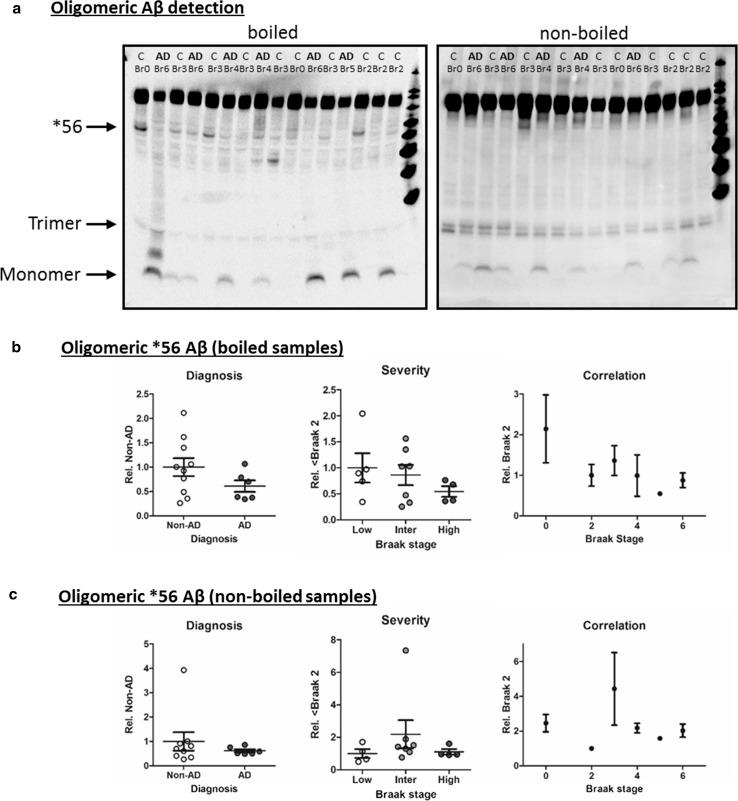
Post-mortem investigations of human Alzheimer's disease (AD) have largely failed to provide unequivocal evidence in support of the original amyloid cascade hypothesis, which postulated deposition of β-amyloid (Aβ) aggregates to be the cause of a demented state as well as inductive to tau neurofibrillary tangles (NFTs). Conflicting evidence suggests, however, that Aβ plaques and NFTs, albeit to a lesser extent, are present in a substantial subset of non-demented individuals. Hence, a range of soluble tau and Aβ species has more recently been implicated as the disease-relevant toxic entities. Despite the incorporation of soluble proteins into a revised amyloid cascade hypothesis, a detailed characterization of these species in the context of human AD onset, progression and cognitive decline has been lacking. Here, lateral temporal lobe samples (Brodmann area 21) of 46 human cases were profiled via tau and Aβ Western blot and native state dot blot protocols. Elevations in phospho-tau (antibodies: CP13, AT8 and PHF-1), pathological tau conformations (MC-1) and oligomeric tau (TOC1) agreed with medical diagnosis (non-AD cf. AD) and Braak stage classification (low, intermediate and high), alongside elevations in soluble Aβ species (MOAB-2 and pyro-glu Aβ) and a decline in levels of the amyloid precursor protein. Strong correlations were observed between individual Braak stages and multiple cognitive measures with all tau markers as well as total soluble Aβ. In contrast to previous reports, SDS-stable Aβ oligomers (*56) were not found to be reliable for all classifications and appeared likely to be a technical artefact. Critically, the robust predictive value of total soluble Aβ was dependent on native state quantification. Elevations in tau and Aβ within soluble fractions (Braak stage 2-3 cf. 0) were evident earlier than previously established in fibril-focused disease progression scales. Together, these data provide strong evidence that soluble forms of tau and Aβ co-localise early in AD and are closely linked to disease progression and cognitive decline.
对人类阿尔茨海默病(AD)的尸检在很大程度上未能提供明确证据支持最初的淀粉样蛋白级联假说,该假说假定β-淀粉样蛋白(Aβ)聚集体的沉积是痴呆状态的原因,并且会诱导tau神经原纤维缠结(NFTs)。然而,相互矛盾的证据表明,Aβ斑块和NFTs尽管程度较轻,但在相当一部分非痴呆个体中也存在。因此,一系列可溶性tau和Aβ种类最近被认为是与疾病相关的毒性实体。尽管可溶性蛋白已被纳入修订后的淀粉样蛋白级联假说,但在人类AD发病、进展和认知衰退的背景下,对这些种类的详细表征一直缺乏。在这里,通过tau和Aβ免疫印迹以及天然状态斑点印迹法对46例人类病例的颞叶外侧样本(布罗德曼区21)进行了分析。磷酸化tau(抗体:CP13、AT8和PHF-1)、病理性tau构象(MC-1)和寡聚体tau(TOC1)的升高与医学诊断(非AD与AD对比)和Braak分期分类(低、中、高)一致,同时可溶性Aβ种类(MOAB-2和焦谷氨酸Aβ)升高,淀粉样前体蛋白水平下降。在各个Braak分期与所有tau标记物以及总可溶性Aβ的多种认知测量之间观察到了强相关性。与先前的报告相反,未发现SDS稳定的Aβ寡聚体(*56)对所有分类都可靠,似乎可能是一种技术假象。至关重要的是,总可溶性Aβ的强大预测价值取决于天然状态定量。可溶性部分中tau和Aβ的升高(Braak分期2 - 3与0对比)比先前在以纤维为重点的疾病进展量表中确定的时间更早出现。总之,这些数据提供了强有力的证据,表明tau和Aβ的可溶性形式在AD早期共定位,并且与疾病进展和认知衰退密切相关。



 Zotero 插件