
对实验性自身免疫性脑脊髓炎敏感和耐受的大鼠中产生GM-CSF的Th细胞
GM-CSF-Producing Th Cells in Rats Sensitive and Resistant to Experimental Autoimmune Encephalomyelitis.
作者信息
Stojić-Vukanić Zorica, Pilipović Ivan, Vujnović Ivana, Nacka-Aleksić Mirjana, Petrović Raisa, Arsenović-Ranin Nevena, Dimitrijević Mirjana, Leposavić Gordana
机构信息
Department of Microbiology and Immunology, University of Belgrade-Faculty of Pharmacy, Belgrade, Serbia.
Immunology Research Center "Branislav Janković", Institute of Virology, Vaccines and Sera "Torlak", Belgrade, Serbia.
出版信息
PLoS One. 2016 Nov 10;11(11):e0166498. doi: 10.1371/journal.pone.0166498. eCollection 2016.
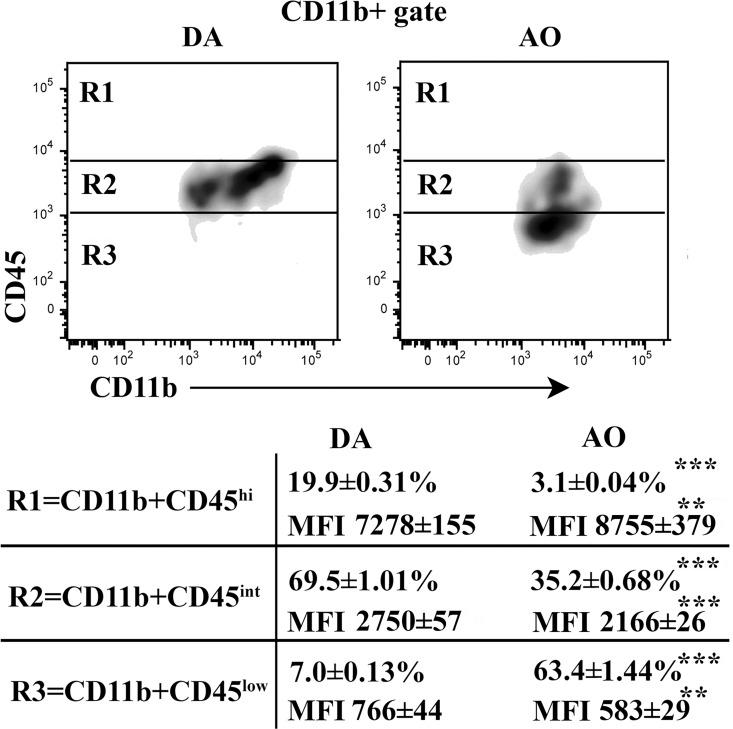
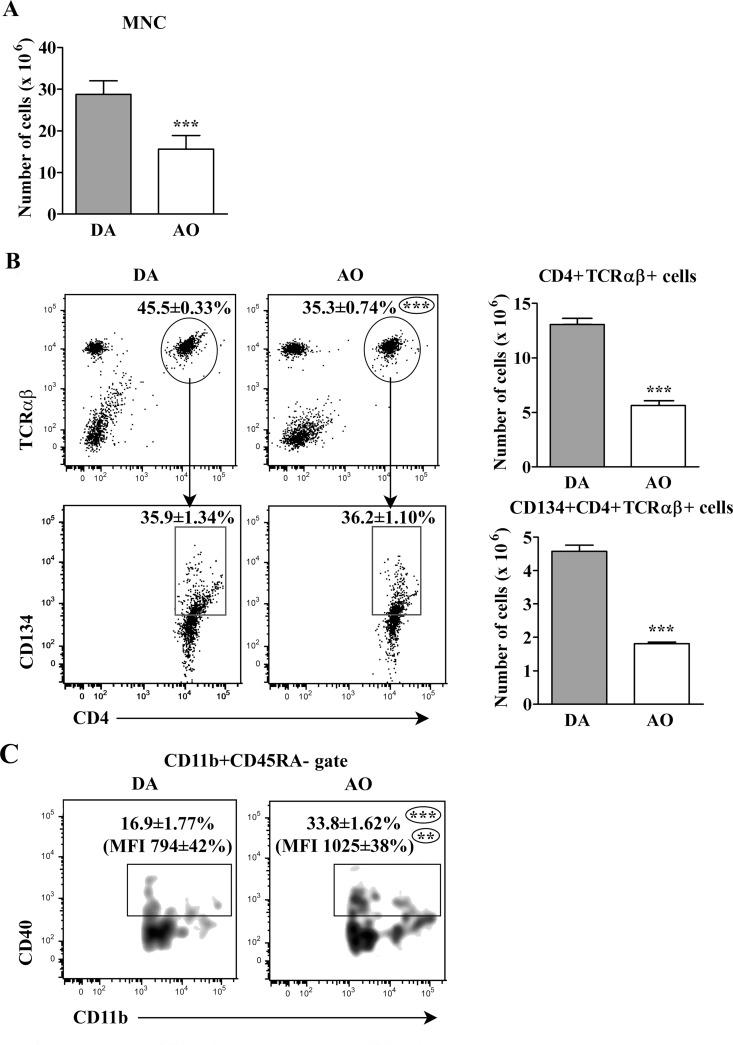
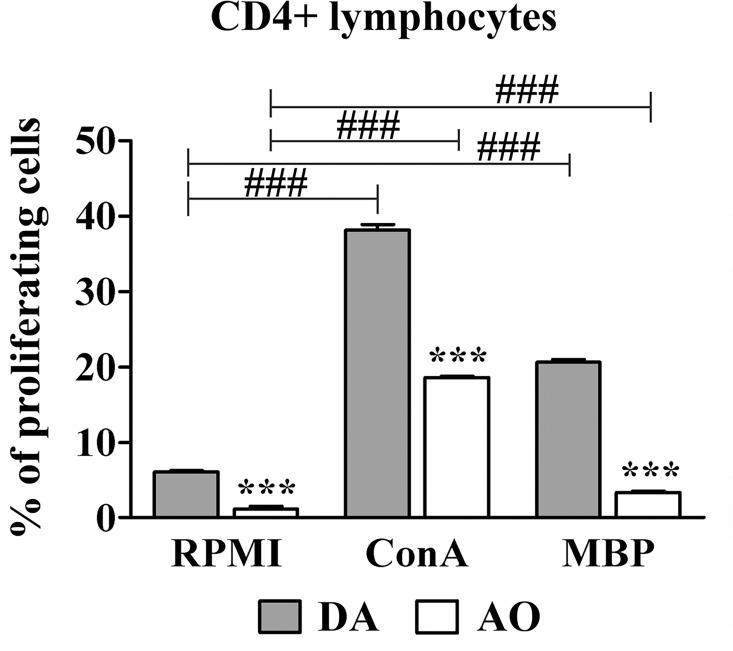
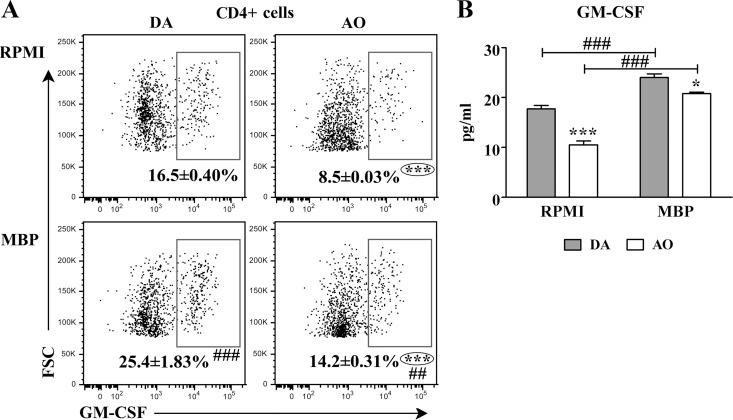
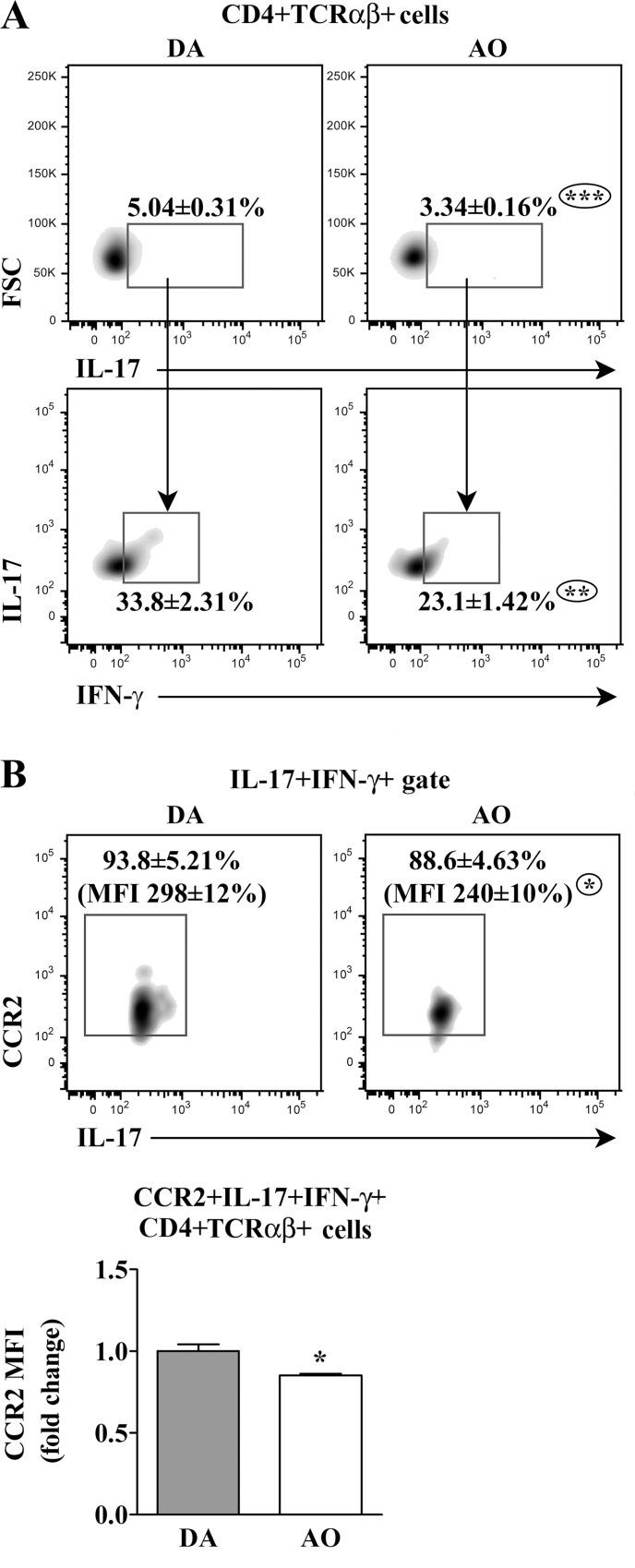
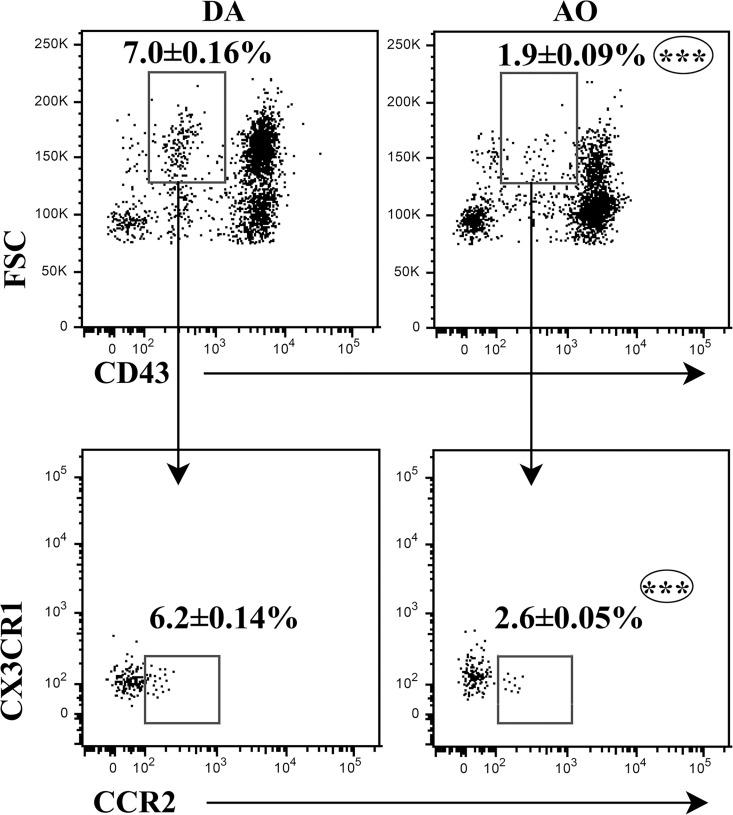
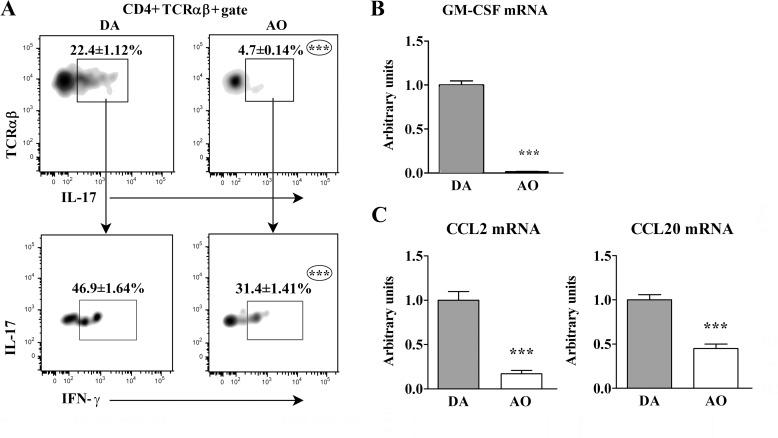
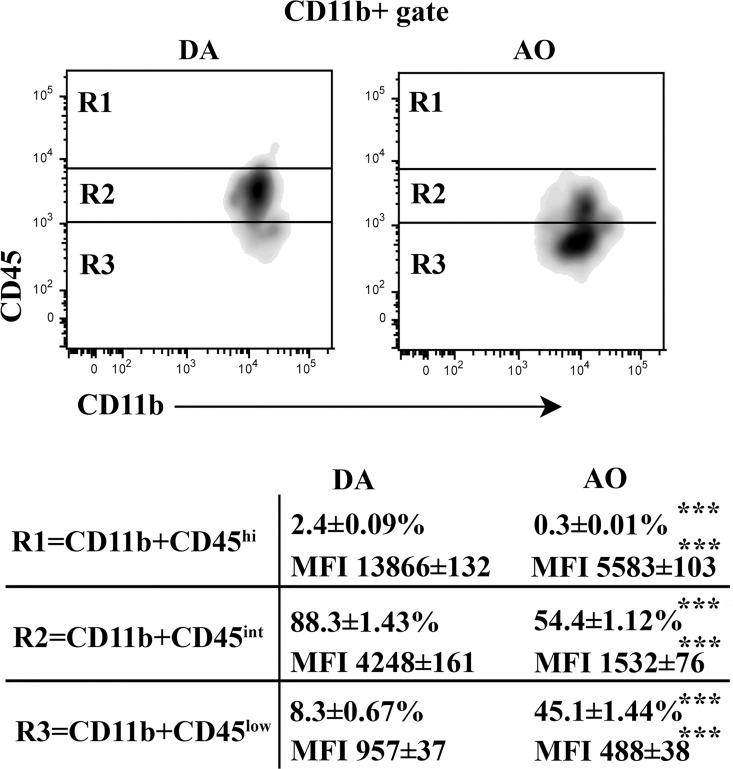
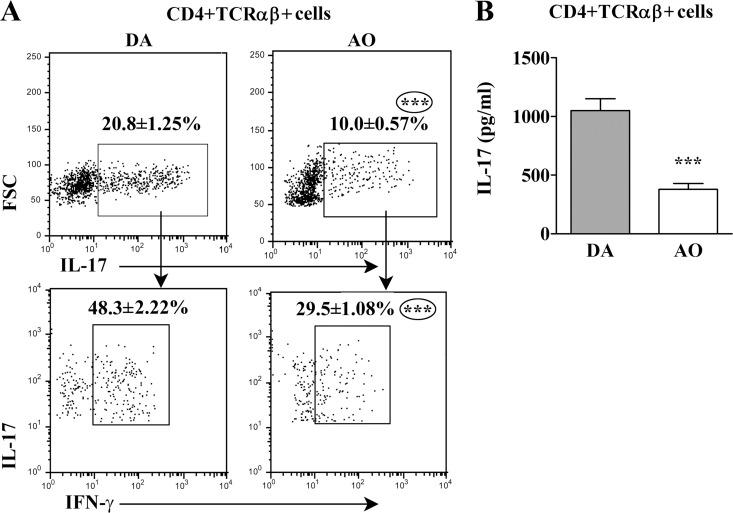
Given that granulocyte macrophage colony-stimulating factor (GM-CSF) is identified as the key factor to endow auto-reactive Th cells with the potential to induce neuroinflammation in experimental autoimmune encephalomyelitis (EAE) models, the frequency and phenotype of GM-CSF-producing (GM-CSF+) Th cells in draining lymph nodes (dLNs) and spinal cord (SC) of Albino Oxford (AO) and Dark Agouti (DA) rats immunized for EAE were examined. The generation of neuroantigen-specific GM-CSF+ Th lymphocytes was impaired in dLNs of AO rats (relatively resistant to EAE induction) compared with their DA counterparts (susceptible to EAE) reflecting impaired CD4+ lymphocyte proliferation and less supportive of GM-CSF+ Th cell differentiation dLN cytokine microenvironment. Immunophenotyping of GM-CSF+ Th cells showed their phenotypic heterogeneity in both strains and revealed lower frequency of IL-17+IFN-γ+, IL-17+IFN-γ-, and IL-17-IFN-γ+ cells accompanied by higher frequency of IL-17-IFN-γ- cells among them in AO than in DA rats. Compared with DA, in AO rats was also found (i) slightly lower surface density of CCR2 (drives accumulation of highly pathogenic GM-CSF+IFN-γ+ Th17 cells in SC) on GM-CSF+IFN-γ+ Th17 lymphocytes from dLNs, and (ii) diminished CCL2 mRNA expression in SC tissue, suggesting their impaired migration into the SC. Moreover, dLN and SC cytokine environments in AO rats were shown to be less supportive of GM-CSF+IFN-γ+ Th17 cell differentiation (judging by lower expression of mRNAs for IL-1β, IL-6 and IL-23/p19). In accordance with the (i) lower frequency of GM-CSF+ Th cells in dLNs and SC of AO rats and their lower GM-CSF production, and (ii) impaired CCL2 expression in the SC tissue, the proportion of proinflammatory monocytes among peripheral blood cells and their progeny (CD45hi cells) among the SC CD11b+ cells were reduced in AO compared with DA rats. Collectively, the results indicate that the strain specificities in efficacy of several mechanisms controlling (auto)reactive CD4+ lymphocyte expansion/differentiation into the cells with pathogenic phenotype and migration of the latter to the SC contribute to AO rat resistance to EAE.
鉴于粒细胞巨噬细胞集落刺激因子(GM-CSF)被确定为在实验性自身免疫性脑脊髓炎(EAE)模型中赋予自身反应性Th细胞诱导神经炎症潜力的关键因素,我们检测了免疫诱导EAE的白化牛津(AO)大鼠和黑豚鼠(DA)大鼠引流淋巴结(dLNs)和脊髓(SC)中产生GM-CSF的(GM-CSF+)Th细胞的频率和表型。与DA大鼠(易患EAE)相比,AO大鼠(相对抵抗EAE诱导)的dLNs中神经抗原特异性GM-CSF+ Th淋巴细胞的生成受损,这反映出CD4+淋巴细胞增殖受损以及dLN细胞因子微环境对GM-CSF+ Th细胞分化的支持较少。GM-CSF+ Th细胞的免疫表型分析显示,两种品系中它们的表型均具有异质性,并且与DA大鼠相比,AO大鼠中IL-17+IFN-γ+、IL-17+IFN-γ-和IL-17-IFN-γ+细胞的频率较低,而IL-17-IFN-γ-细胞的频率较高。与DA大鼠相比,在AO大鼠中还发现:(i)来自dLNs的GM-CSF+IFN-γ+ Th17淋巴细胞上CCR2(促使高致病性GM-CSF+IFN-γ+ Th17细胞在SC中积聚)的表面密度略低,以及(ii)SC组织中CCL2 mRNA表达降低,表明它们向SC的迁移受损。此外,AO大鼠的dLN和SC细胞因子环境对GM-CSF+IFN-γ+ Th17细胞分化的支持作用较小(根据IL-1β、IL-6和IL-23/p19的mRNA表达较低判断)。与(i)AO大鼠dLNs和SC中GM-CSF+ Th细胞频率较低及其GM-CSF产生量较低,以及(ii)SC组织中CCL2表达受损一致,与DA大鼠相比,AO大鼠外周血细胞中促炎单核细胞的比例及其在SC CD11b+细胞中的后代(CD45hi细胞)减少。总体而言,结果表明,在控制(自身)反应性CD4+淋巴细胞扩增/分化为具有致病表型的细胞以及后者向SC迁移的几种机制的效力方面的品系特异性,导致AO大鼠对EAE具有抵抗力。





 Zotero 插件