
靶向特定蛋白质的交联双链DNA纳米凝胶。
Crosslinked duplex DNA nanogels that target specified proteins.
作者信息
Iwasaki Yasuhiko, Kondo Jun-Ichi, Kuzuya Akinori, Moriyama Rui
机构信息
Department of Chemistry and Materials Engineering; Faculty of Chemistry, Materials and Bioengineering, Kansai University , Suita-shi, Osaka , Japan.
出版信息
Sci Technol Adv Mater. 2016 Jul 18;17(1):285-292. doi: 10.1080/14686996.2016.1189798. eCollection 2016.
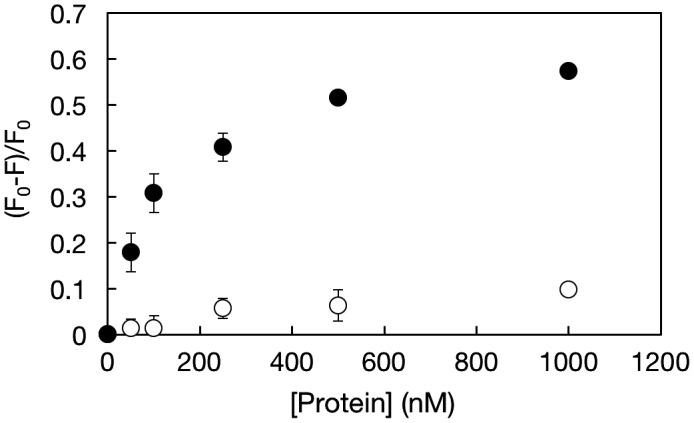
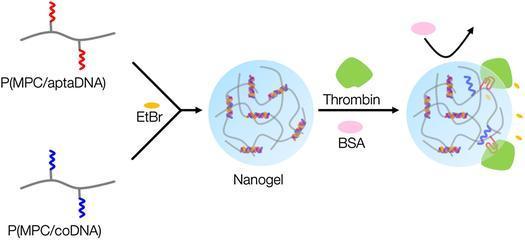
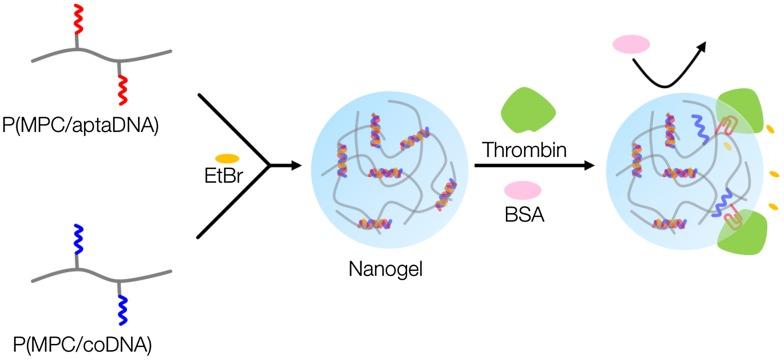
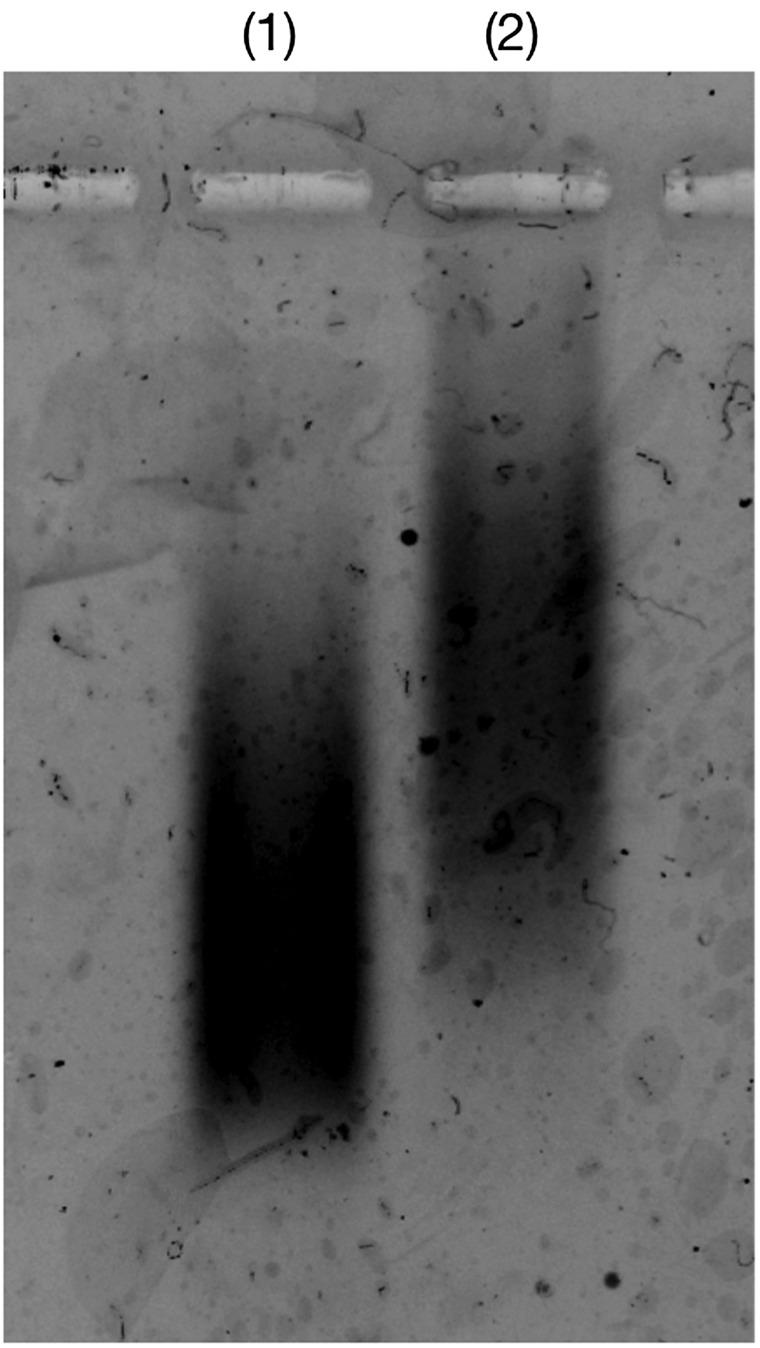
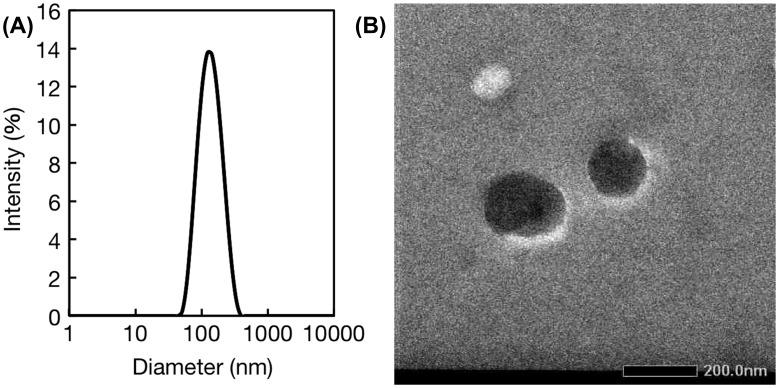
Specific detection of protein biomarkers plays an important role in diagnostics and therapeutics. We have fabricated polymeric nanogels, which can specifically interact with the cancer biomarker thrombin to serve as a model. Two types of 2-methacryloyloxyethyl phosphorylcholine (MPC) copolymers bearing a thrombin-binding oligonucleotide aptamer and its complementary chain were independently synthesized by redox-initiated radical polymerization. These MPC polymers associate in a complimentary fashion due to double strand formation of the oligonucleotides in aqueous media, leading to the spontaneous formation of spherical nanogels. Nanogel formation was confirmed by dynamic light scattering (DLS) and transmittance microscopy. The average size of nanogel particles was 124 ± 2 nm and the nanogels were mono-dispersed (polydispersity index 0.21). Functional intercalators could be stably incorporated into nanogels through the physical interaction between the intercalators and the oligonucleotides. The ethidium bromide (EtBr)-incorporating nanogels were used as detectors for thrombin. The fluorescence intensity of solutions containing the EtBr-incorporating nanogels was decreased with an increase in the concentration of thrombin. The transformation of quadruplex-thrombin structure from complementary double-stranded structures resulted in the decrease in fluorescence intensity. In contrast, the intensity did not change when the nanogels were incubated with albumin. Thrombin is only one such model used to demonstrate this technique; oligonucleotide aptamers can be freely designed to interact with versatile bio-substances. Therefore, aptamer-crosslinked nanogels can be appropriate nanomaterials for disease diagnosis and therapy.
蛋白质生物标志物的特异性检测在诊断和治疗中起着重要作用。我们制备了聚合物纳米凝胶,它可以与癌症生物标志物凝血酶特异性相互作用,以此作为一个模型。通过氧化还原引发的自由基聚合反应,独立合成了两种带有凝血酶结合寡核苷酸适配体及其互补链的甲基丙烯酰氧乙基磷酸胆碱(MPC)共聚物。由于寡核苷酸在水性介质中形成双链,这些MPC聚合物以互补方式缔合,导致球形纳米凝胶的自发形成。通过动态光散射(DLS)和透射显微镜确认了纳米凝胶的形成。纳米凝胶颗粒的平均尺寸为124±2nm,且纳米凝胶是单分散的(多分散指数为0.21)。功能性嵌入剂可以通过嵌入剂与寡核苷酸之间的物理相互作用稳定地掺入纳米凝胶中。掺入溴化乙锭(EtBr)的纳米凝胶被用作凝血酶的检测器。随着凝血酶浓度的增加,含有掺入EtBr的纳米凝胶的溶液的荧光强度降低。四重体 - 凝血酶结构从互补双链结构的转变导致荧光强度降低。相反,当纳米凝胶与白蛋白孵育时,强度没有变化。凝血酶只是用于证明该技术的一个这样的模型;寡核苷酸适配体可以自由设计以与多种生物物质相互作用。因此,适配体交联的纳米凝胶可以是用于疾病诊断和治疗的合适纳米材料。


 Zotero 插件