
鳄嘴花根提取物的化学成分及细胞毒性特性。
Chemical composition and cytotoxic properties of Clinacanthus nutans root extracts.
作者信息
Teoh Peik Lin, Cheng Angelina Ying Fang, Liau Monica, Lem Fui Fui, Kaling Grace P, Chua Fern Nie, Cheong Bo Eng
机构信息
a Biotechnology Research Institute, Universiti Malaysia Sabah , Jalan UMS , Kota Kinabalu , Sabah , Malaysia.
b Faculty of Science & Natural Resources, Universiti Malaysia Sabah , Jalan UMS, Kota Kinabalu , Sabah , Malaysia.
出版信息
Pharm Biol. 2017 Dec;55(1):394-401. doi: 10.1080/13880209.2016.1242145.
CONTEXT
Clinacanthus nutans Lindau (Acanthaceae) is a medicinal plant that has been reported to have anti-inflammatory, antiviral, antimicrobial and antivenom activities. In Malaysia, it has been widely claimed to be effective in various cancer treatments but scientific evidence is lacking.
OBJECTIVE
This study investigates the chemical constituents, anti-proliferative, and apoptotic properties of C. nutans root extracts.
MATERIALS AND METHODS
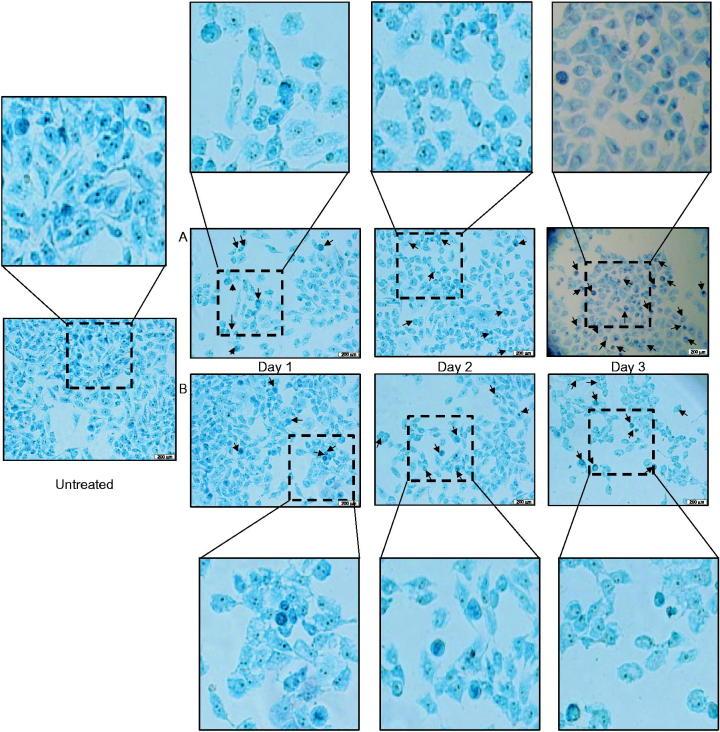
The roots were subjected to solvent extraction using methanol and ethyl acetate. The anti-proliferative effects of root extracts were tested at the concentrations of 10 to 50 μg/mL on MCF-7 and HeLa by using 3-(4,5-dimethylthiazol-2-yl)-2,5-diphenyl tetrazolium bromide (MTT) assay for 72 h. Morphological changes were observed under light microscope. Pro-apoptotic effects of root extracts were examined using flow cytometric analysis and RT-PCR. The chemical compositions of root extracts were detected using GC-MS.
RESULTS
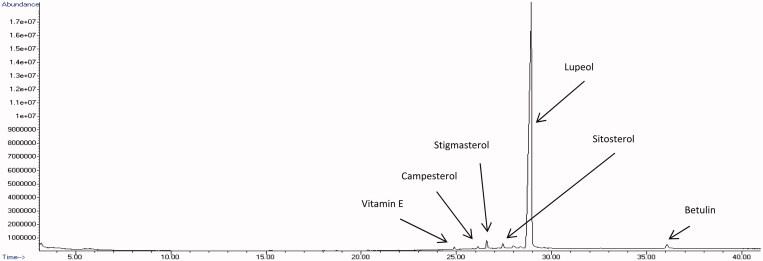
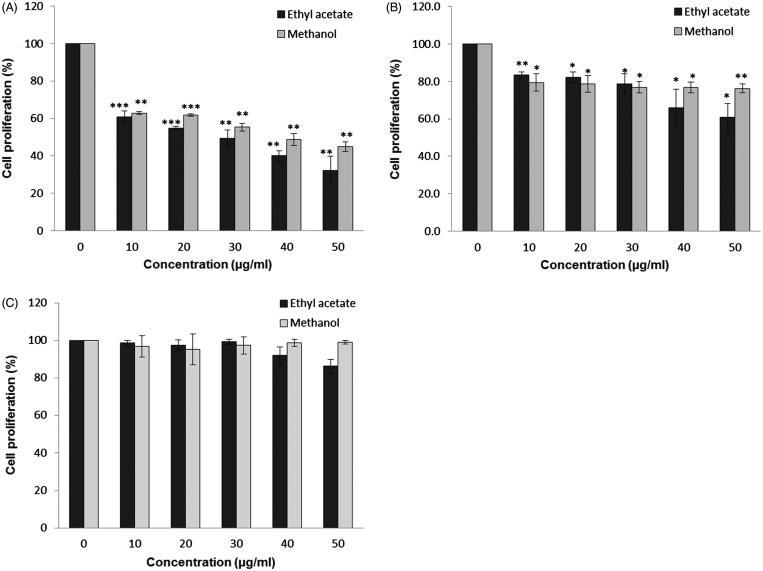
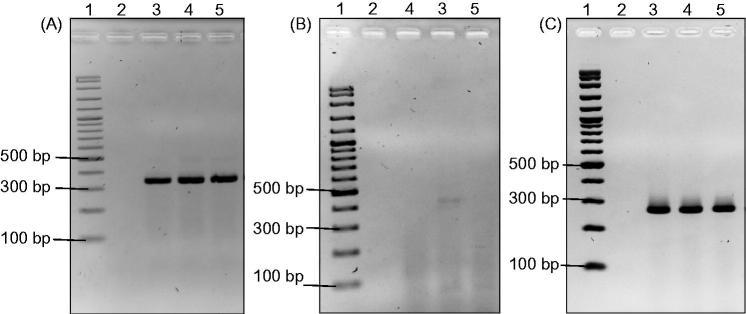
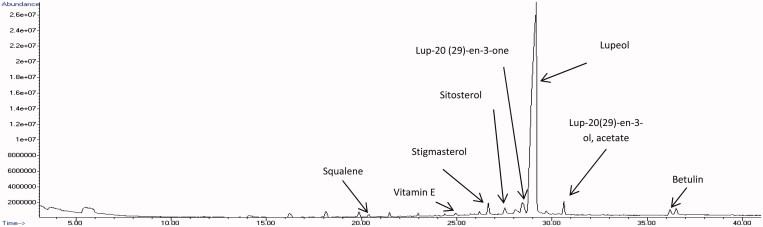
The proliferation of MCF-7 cells was inhibited with the IC values of 35 and 30 μg/mL, respectively, for methanol and ethyl acetate root extracts. The average inhibition of HeLa cells was ∼25%. Induction of apoptosis in MCF-7 was supported by chromatin condensation, down-regulation of BCL2 and unaltered expression of BAX. However, only ethyl acetate extract caused the loss of mitochondrial membrane potential. GC-MS analysis revealed the roots extracts were rich with terpenoids and phytosterols.
DISCUSSION AND CONCLUSIONS
The results demonstrated that root extracts promote apoptosis by suppressing BCL2 via mitochondria-dependent or independent manner. The identified compounds might work solely or cooperatively in regulating apoptosis. However, further studies are required to address this.
背景
鳄嘴花(爵床科)是一种药用植物,据报道具有抗炎、抗病毒、抗菌和抗蛇毒活性。在马来西亚,人们普遍声称它对各种癌症治疗有效,但缺乏科学证据。
目的
本研究调查鳄嘴花根提取物的化学成分、抗增殖和凋亡特性。
材料与方法
根用甲醇和乙酸乙酯进行溶剂萃取。通过3-(4,5-二甲基噻唑-2-基)-2,5-二苯基四氮唑溴盐(MTT)法在10至50μg/mL浓度下对MCF-7和HeLa细胞进行72小时的根提取物抗增殖作用测试。在光学显微镜下观察形态变化。使用流式细胞术分析和RT-PCR检测根提取物的促凋亡作用。用GC-MS检测根提取物的化学成分。
结果
甲醇和乙酸乙酯根提取物对MCF-7细胞增殖的抑制IC值分别为35和30μg/mL。对HeLa细胞的平均抑制率约为25%。MCF-7细胞凋亡的诱导表现为染色质凝聚、BCL2下调和BAX表达未改变。然而,只有乙酸乙酯提取物导致线粒体膜电位丧失。GC-MS分析表明根提取物富含萜类化合物和植物甾醇。
讨论与结论
结果表明根提取物通过线粒体依赖性或非依赖性方式抑制BCL2来促进凋亡。所鉴定的化合物可能单独或协同发挥调节凋亡的作用。然而,需要进一步研究来解决这个问题。

 Zotero 插件