
卵巢癌和子宫内膜癌的化疗耐药性与靶向治疗
Chemoresistance and targeted therapies in ovarian and endometrial cancers.
作者信息
Brasseur Kevin, Gévry Nicolas, Asselin Eric
机构信息
Research Group in Cellular Signaling, Department of Medical Biology, Université du Québec à Trois-Rivières, Trois-Rivières, Québec, Canada.
Département de Biologie, Faculté des Sciences, Université de Sherbrooke, Sherbrooke, QC, Canada.
出版信息
Oncotarget. 2017 Jan 17;8(3):4008-4042. doi: 10.18632/oncotarget.14021.
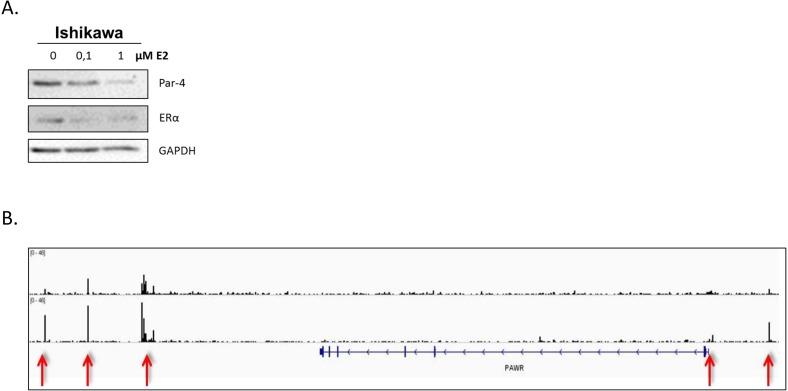
Gynecological cancers are known for being very aggressive at their advanced stages. Indeed, the survival rate of both ovarian and endometrial cancers is very low when diagnosed lately and the success rate of current chemotherapy regimens is not very efficient. One of the main reasons for this low success rate is the acquired chemoresistance of these cancers during their progression. The mechanisms responsible for this acquired chemoresistance are numerous, including efflux pumps, repair mechanisms, survival pathways (PI3K/AKT, MAPK, EGFR, mTOR, estrogen signaling) and tumor suppressors (P53 and Par-4). To overcome these resistances, a new type of therapy has emerged named targeted therapy. The principle of targeted therapy is simple, taking advantage of changes acquired in malignant cancer cells (receptors, proteins, mechanisms) by using compounds specifically targeting these, thus limiting their action on healthy cells. Targeted therapies are emerging and many clinical trials targeting these pathways, frequently involved in chemoresistance, have been tested on gynecological cancers. Despite some targets being less efficient than expected as mono-therapies, the combination of compounds seems to be the promising avenue. For instance, we demonstrate using ChIP-seq analysis that estrogen downregulate tumor suppressor Par-4 in hormone-dependent cells by directly binding to its DNA regulatory elements and inhibiting estrogen signaling could reinstate Par-4 apoptosis-inducing abilities. This review will focus on the chemoresistance mechanisms and the clinical trials of targeted therapies associated with these, specifically for endometrial and ovarian cancers.
妇科癌症在晚期时具有很强的侵袭性。事实上,卵巢癌和子宫内膜癌如果诊断较晚,生存率都很低,而且目前化疗方案的成功率也不高。成功率低的主要原因之一是这些癌症在进展过程中获得了化学抗性。导致这种获得性化学抗性的机制有很多,包括外排泵、修复机制、生存途径(PI3K/AKT、MAPK、EGFR、mTOR、雌激素信号传导)和肿瘤抑制因子(P53和Par-4)。为了克服这些抗性,出现了一种新型疗法,即靶向治疗。靶向治疗的原理很简单,利用恶性癌细胞中获得的变化(受体、蛋白质、机制),使用专门针对这些变化的化合物,从而限制它们对健康细胞的作用。靶向治疗正在兴起,许多针对这些常与化学抗性有关的途径的临床试验已在妇科癌症上进行了测试。尽管有些靶点作为单一疗法的效果不如预期,但化合物的联合使用似乎是有前景的途径。例如,我们通过ChIP-seq分析证明,雌激素通过直接结合其DNA调控元件在激素依赖性细胞中下调肿瘤抑制因子Par-4,抑制雌激素信号传导可以恢复Par-4的凋亡诱导能力。本综述将重点关注化学抗性机制以及与之相关的靶向治疗的临床试验,特别是针对子宫内膜癌和卵巢癌的。


 Zotero 插件