
氧化应激、突触功能障碍与阿尔茨海默病
Oxidative Stress, Synaptic Dysfunction, and Alzheimer's Disease.
作者信息
Tönnies Eric, Trushina Eugenia
机构信息
Department of Neurology, Mayo Clinic, Rochester, MN, USA.
Department of Molecular Pharmacology and Experimental Therapeutics, Mayo Clinic, Rochester, MN, USA.
出版信息
J Alzheimers Dis. 2017;57(4):1105-1121. doi: 10.3233/JAD-161088.
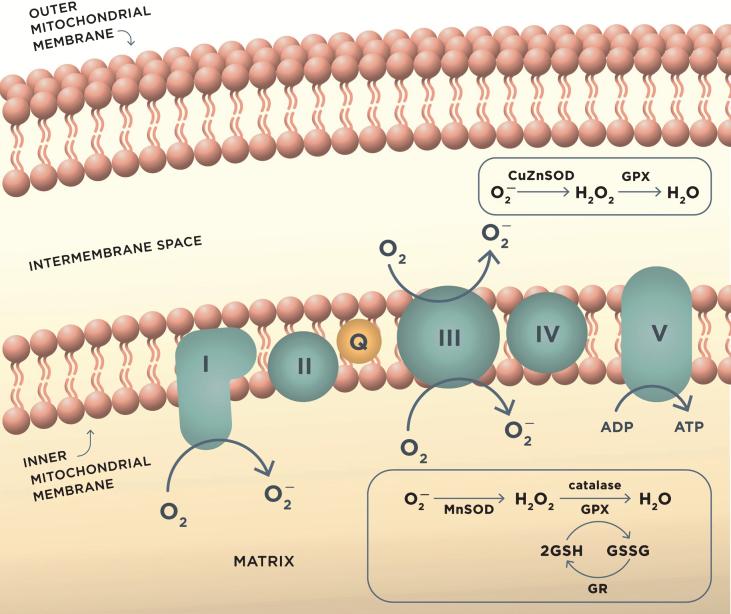
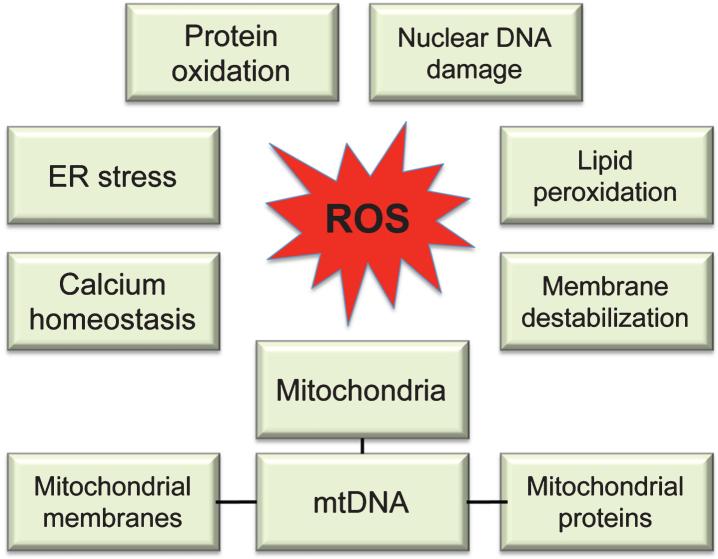
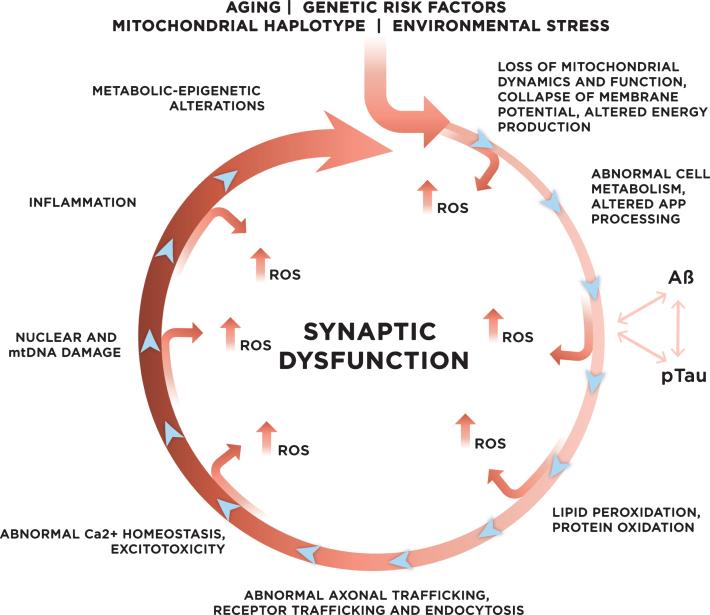
Alzheimer's disease (AD) is a devastating neurodegenerative disorder without a cure. Most AD cases are sporadic where age represents the greatest risk factor. Lack of understanding of the disease mechanism hinders the development of efficacious therapeutic approaches. The loss of synapses in the affected brain regions correlates best with cognitive impairment in AD patients and has been considered as the early mechanism that precedes neuronal loss. Oxidative stress has been recognized as a contributing factor in aging and in the progression of multiple neurodegenerative diseases including AD. Increased production of reactive oxygen species (ROS) associated with age- and disease-dependent loss of mitochondrial function, altered metal homeostasis, and reduced antioxidant defense directly affect synaptic activity and neurotransmission in neurons leading to cognitive dysfunction. In addition, molecular targets affected by ROS include nuclear and mitochondrial DNA, lipids, proteins, calcium homeostasis, mitochondrial dynamics and function, cellular architecture, receptor trafficking and endocytosis, and energy homeostasis. Abnormal cellular metabolism in turn could affect the production and accumulation of amyloid-β (Aβ) and hyperphosphorylated Tau protein, which independently could exacerbate mitochondrial dysfunction and ROS production, thereby contributing to a vicious cycle. While mounting evidence implicates ROS in the AD etiology, clinical trials with antioxidant therapies have not produced consistent results. In this review, we will discuss the role of oxidative stress in synaptic dysfunction in AD, innovative therapeutic strategies evolved based on a better understanding of the complexity of molecular mechanisms of AD, and the dual role ROS play in health and disease.
阿尔茨海默病(AD)是一种毁灭性的神经退行性疾病,目前尚无治愈方法。大多数AD病例是散发性的,年龄是最大的风险因素。对疾病机制的了解不足阻碍了有效治疗方法的开发。受影响脑区突触的丧失与AD患者的认知障碍最相关,并被认为是神经元丧失之前的早期机制。氧化应激已被认为是衰老以及包括AD在内的多种神经退行性疾病进展的一个促成因素。与年龄和疾病相关的线粒体功能丧失、金属稳态改变以及抗氧化防御能力降低相关的活性氧(ROS)生成增加,直接影响神经元中的突触活动和神经传递,导致认知功能障碍。此外,受ROS影响的分子靶点包括核DNA和线粒体DNA、脂质、蛋白质、钙稳态、线粒体动力学和功能、细胞结构、受体运输和内吞作用以及能量稳态。异常的细胞代谢反过来会影响淀粉样β蛋白(Aβ)和过度磷酸化的 Tau 蛋白的产生和积累,这两者独立地会加剧线粒体功能障碍和ROS生成,从而导致恶性循环。虽然越来越多的证据表明ROS与AD病因有关,但抗氧化疗法的临床试验并未产生一致的结果。在这篇综述中,我们将讨论氧化应激在AD突触功能障碍中的作用、基于对AD分子机制复杂性的更好理解而发展出的创新治疗策略,以及ROS在健康和疾病中所起的双重作用。

 Zotero 插件