
一种使用穹窿体纳米颗粒且不添加佐剂的针对衣原体性传播感染的预防性疫苗。
A Protective Vaccine against Chlamydia Genital Infection Using Vault Nanoparticles without an Added Adjuvant.
作者信息
Jiang Janina, Liu Guangchao, Kickhoefer Valerie A, Rome Leonard H, Li Lin-Xi, McSorley Stephen J, Kelly Kathleen A
机构信息
Department of Pathology and Laboratory Medicine, David Geffen School of Medicine at UCLA, 10833 Le Conte Ave. CHS 1P-177, Los Angeles, CA 90095, USA.
Department of Biological Chemistry, David Geffen School of Medicine at UCLA, Los Angeles, CA 90095, USA.
出版信息
Vaccines (Basel). 2017 Jan 19;5(1):3. doi: 10.3390/vaccines5010003.
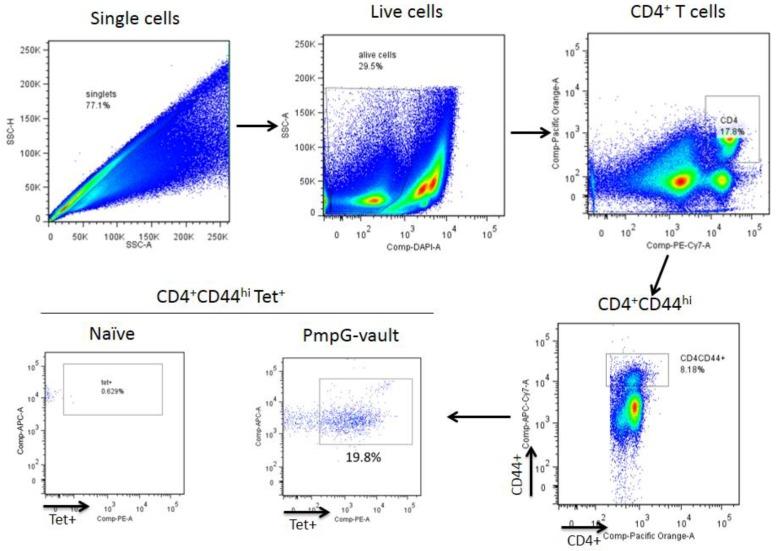
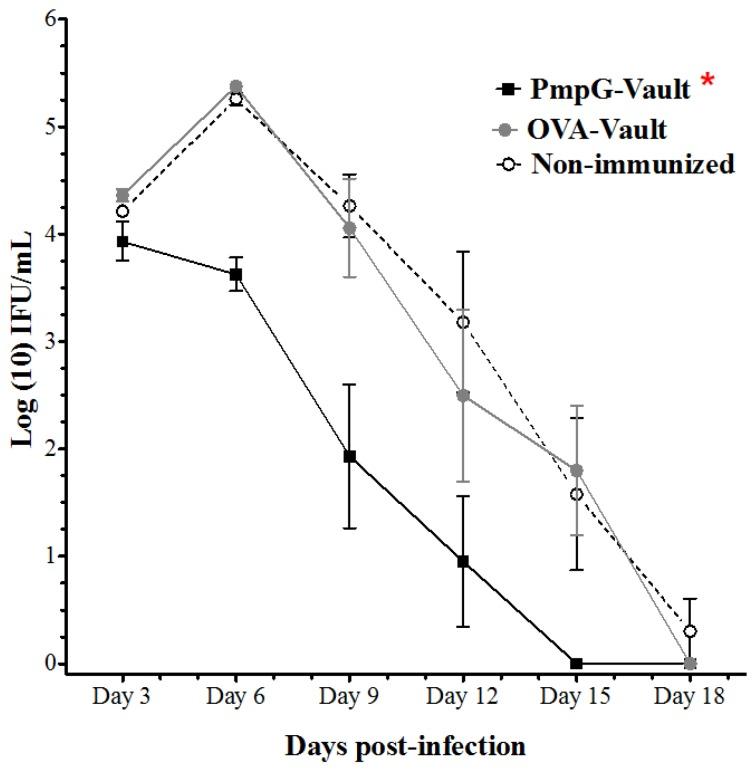
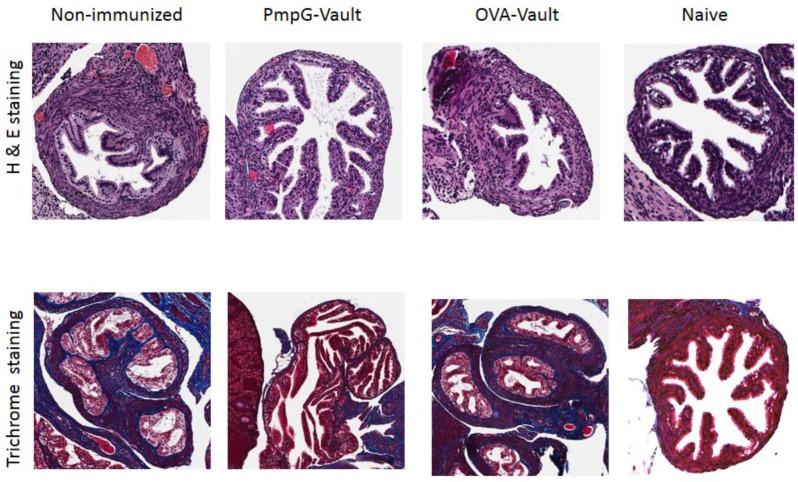
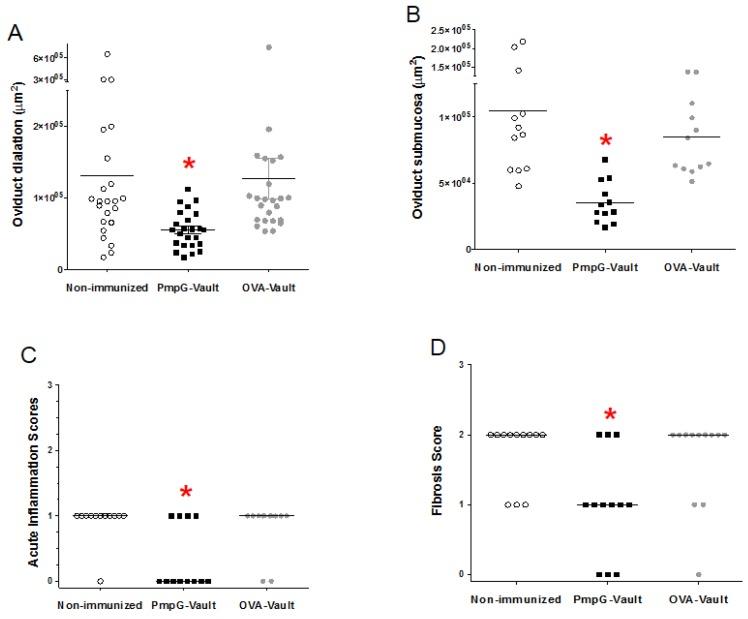
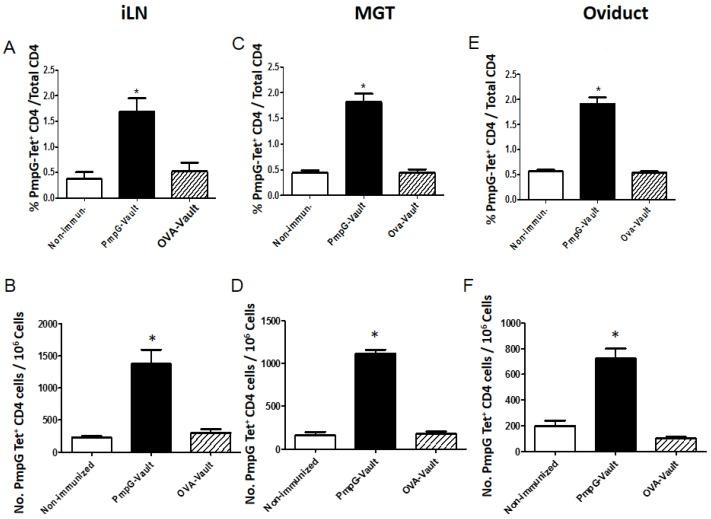
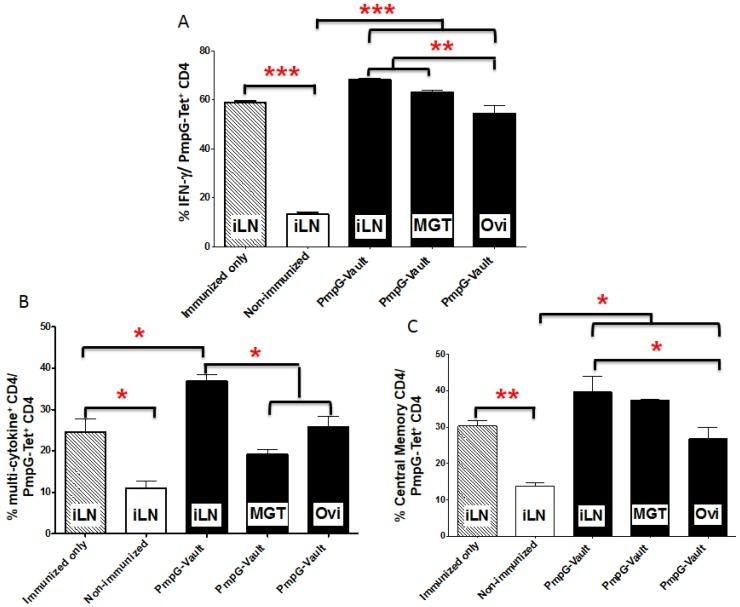
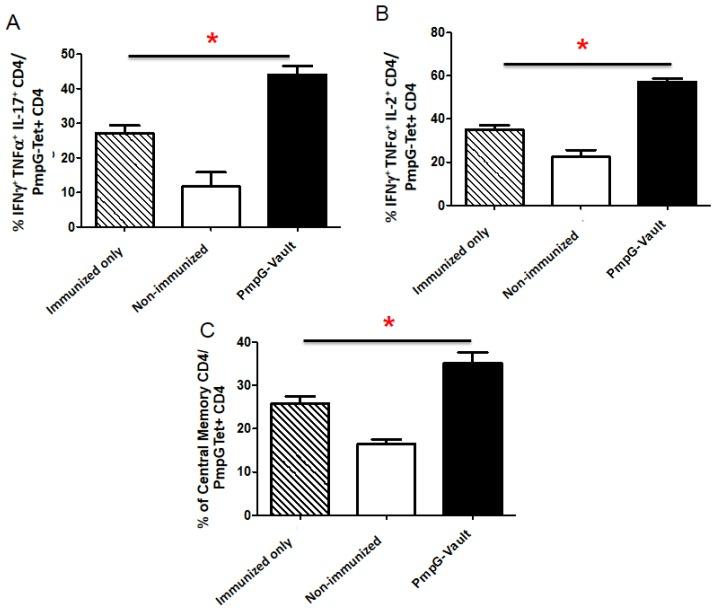
genital infection is the most common sexually transmitted bacterial disease, causing a significant burden to females due to reproductive dysfunction. Intensive screening and antibiotic treatment are unable to completely prevent female reproductive dysfunction, thus, efforts have become focused on developing a vaccine. A major impediment is identifying a safe and effective adjuvant which induces cluster of differentiation 4 (CD4) cells with attributes capable of halting genital infection and inflammation. Previously, we described a natural nanocapsule called the vault which was engineered to contain major outer membrane protein (MOMP) and was an effective vaccine which significantly reduced early infection and favored development of a cellular immune response in a mouse model. In the current study, we used another chlamydial antigen, a polymorphic membrane protein G-1 (PmpG) peptide, to track antigen-specific cells and evaluate, in depth, the vault vaccine for its protective capacity in the absence of an added adjuvant. We found PmpG-vault immunized mice significantly reduced the genital bacterial burden and histopathologic parameters of inflammation following a challenge. Immunization boosted antigen-specific CD4 cells with a multiple cytokine secretion pattern and reduced the number of inflammatory cells in the genital tract making the vault vaccine platform safe and effective for chlamydial genital infection. We conclude that vaccination with a -vault vaccine boosts antigen-specific immunities that are effective at eradicating infection and preventing reproductive tract inflammation.
生殖器感染是最常见的性传播细菌性疾病,由于生殖功能障碍给女性带来了巨大负担。强化筛查和抗生素治疗无法完全预防女性生殖功能障碍,因此,人们的努力已集中在开发疫苗上。一个主要障碍是确定一种安全有效的佐剂,该佐剂能诱导具有阻止生殖器感染和炎症特性的分化簇4(CD4)细胞。此前,我们描述了一种名为穹窿体的天然纳米胶囊,它被设计用来包含主要外膜蛋白(MOMP),是一种有效的疫苗,在小鼠模型中能显著减少早期感染并有利于细胞免疫反应的发展。在当前研究中,我们使用了另一种衣原体抗原,一种多态性膜蛋白G-1(PmpG)肽,来追踪抗原特异性细胞,并深入评估穹窿体疫苗在不添加佐剂情况下的保护能力。我们发现,用PmpG-穹窿体免疫的小鼠在受到攻击后,生殖器细菌负荷和炎症的组织病理学参数显著降低。免疫增强了具有多种细胞因子分泌模式的抗原特异性CD4细胞,并减少了生殖道中的炎症细胞数量,这使得穹窿体疫苗平台对衣原体性生殖器感染安全有效。我们得出结论,用穹窿体疫苗接种可增强抗原特异性免疫力,这种免疫力在根除感染和预防生殖道炎症方面是有效的。


 Zotero 插件