
阴部神经神经再生反应的分子评估:再生泌尿学中的一个有用工具。
Molecular Assessment of Neuroregenerative Response in the Pudendal Nerve: A Useful Tool in Regenerative Urology.
作者信息
Gill Bradley C, Lin Dan Li, Balog Brian M, Dissaranan Charuspong, Jiang Hai-Hong, Damaser Margot S
机构信息
Department of Urology, Glickman Urological and Kidney Institute, Cleveland Clinic, Cleveland, OH; Cleveland Clinic Lerner College of Medicine, Education Institute, Cleveland Clinic, Cleveland, OH; Department of Biomedical Engineering, Lerner Research Institute, Cleveland Clinic, Cleveland, OH.
Department of Biomedical Engineering, Lerner Research Institute, Cleveland Clinic, Cleveland, OH; Advanced Platform Technology Center, Louis Stokes Cleveland Veterans Affairs Medical Center, Cleveland, OH.
出版信息
SDRP J Biomed Eng. 2016 Feb;1(1). Epub 2016 Feb 5.
AIMS
Assessing pudendal nerve neuroregenerative response provides valuable insight into injuries and regenerative treatments related to urinary incontinence. This project developed and validated a cost-effective, expedient, and adoptable method of assessing pudendal nerve neuroregenerative response.
METHODS
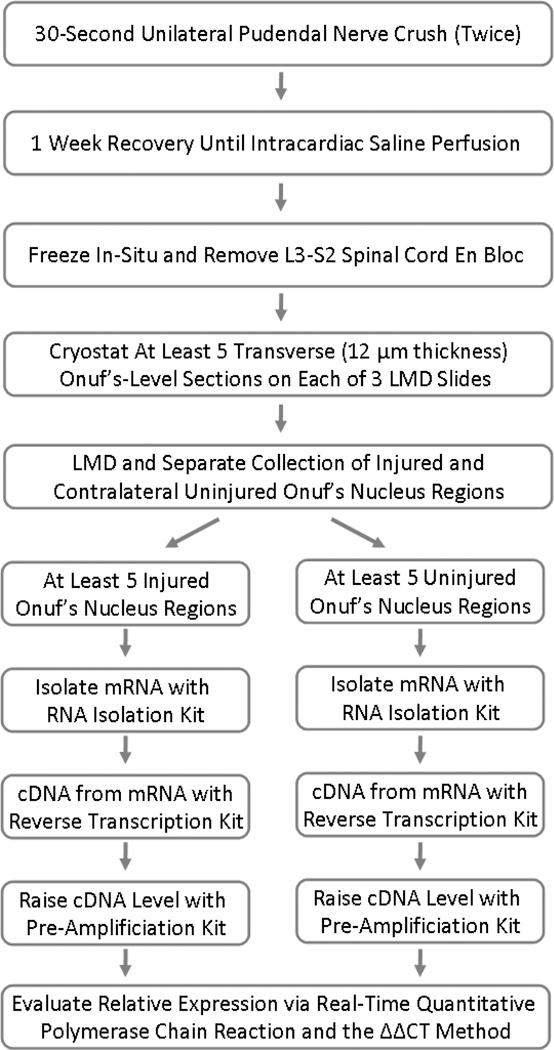
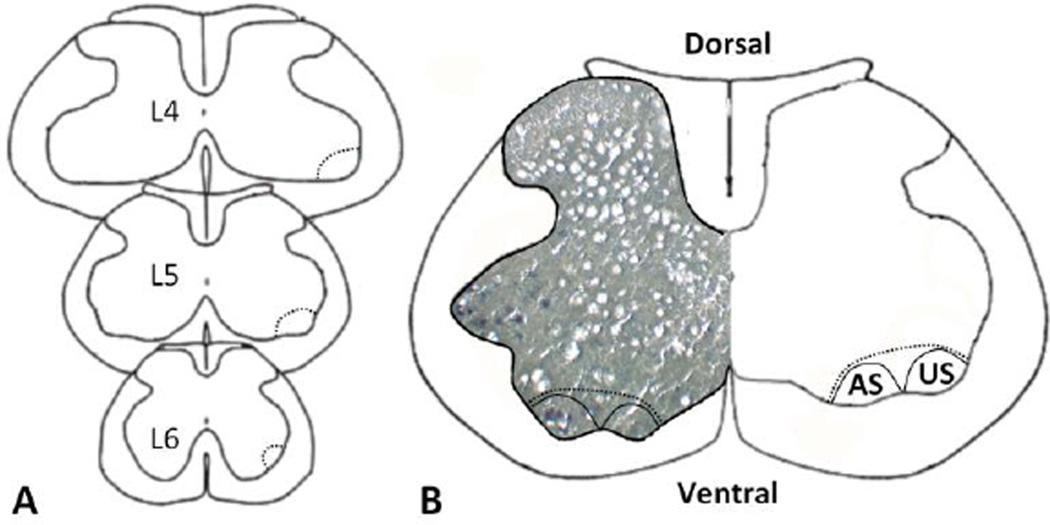
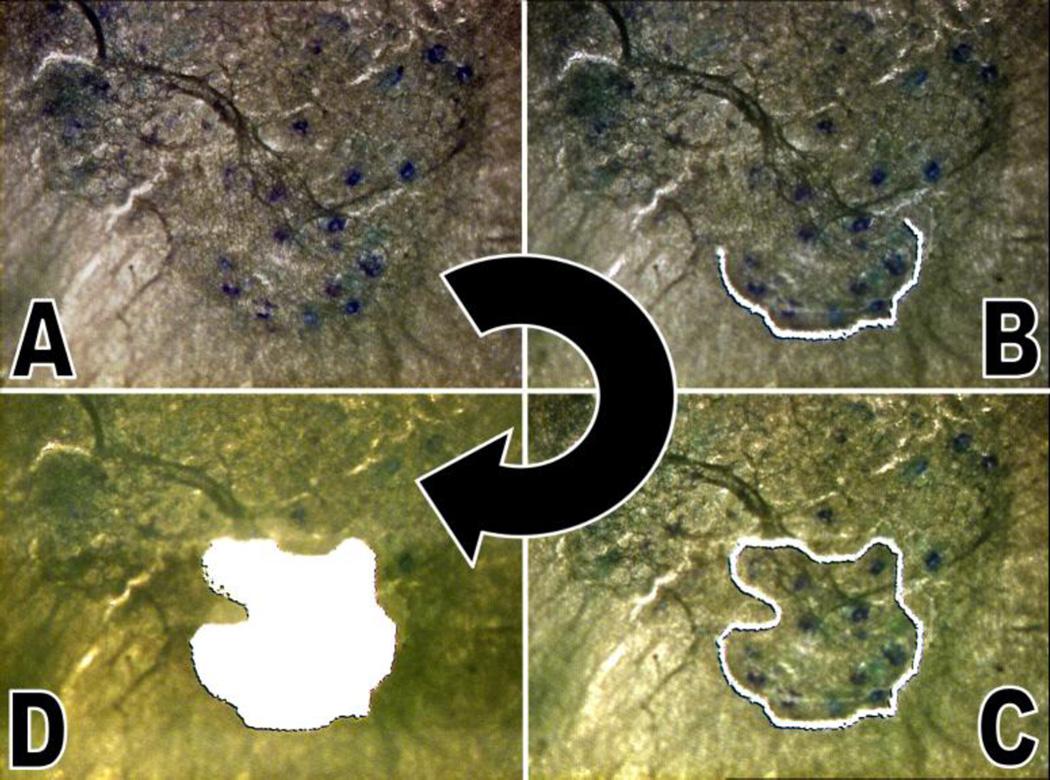
Sprague Dawley rats underwent unilateral pudendal nerve crush prior to spinal cord harvest and laser microdissection for separate collection of the injured and uninjured Onuf's nuclei (pudendal motor neuron cell bodies). Commercially available kits were used to extract and isolate RNA, as well as reverse transcribe and amplify cDNA from cells. Utilizing standard quantitative polymerase chain reaction (Q-PCR), expression of β-Tubulin, a cytoskeletal protein indicative of nerve growth and neuroregenerative response, was determined in the injured side relative to the uninjured side 1 week after injury.
RESULTS
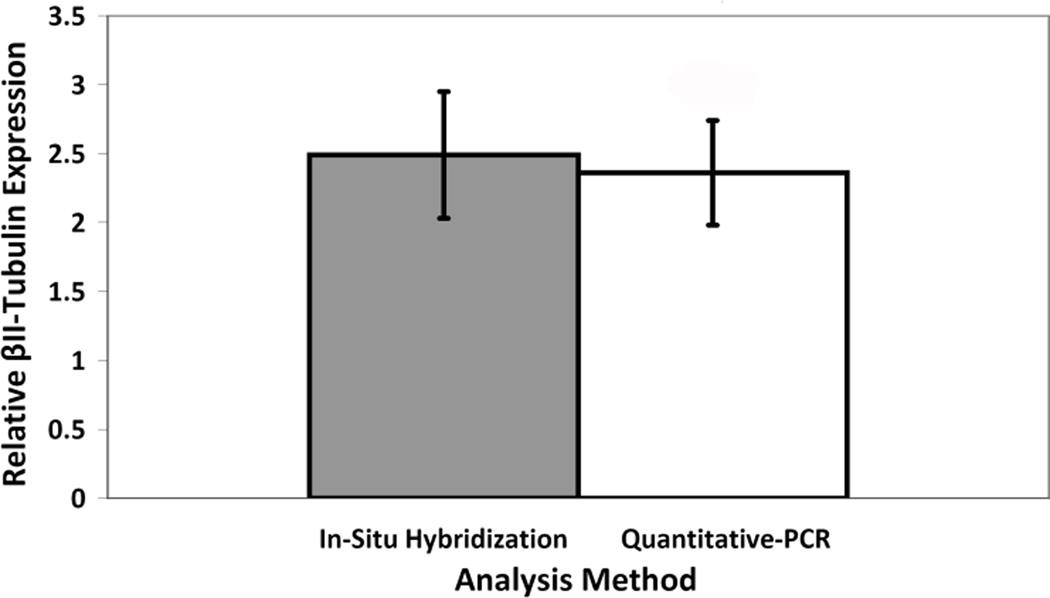
Injury upregulated β-Tubulin 2.36±0.46 times via Q-PCR, which was not significantly (p=0.508) different from the 2.49±0.38 times increase noted with in-situ hybridization previously. Starting with tissue collection, results are available within 1 day using PCR, while in-situ hybridization requires 4-weeks.
CONCLUSIONS
An easily adoptable PCR-based method of assessing the neuroregenerative response of the pudendal nerve successfully reproduced results obtained with a previous radioisotope-based in-situ hybridization technique.
目的
评估阴部神经的神经再生反应可为与尿失禁相关的损伤及再生治疗提供有价值的见解。本项目开发并验证了一种经济高效、便捷且可采用的评估阴部神经神经再生反应的方法。
方法
在脊髓收获和激光显微切割之前,对Sprague Dawley大鼠进行单侧阴部神经挤压,以便分别收集受伤和未受伤的奥努夫核(阴部运动神经元细胞体)。使用市售试剂盒提取和分离RNA,并从细胞中逆转录和扩增cDNA。利用标准定量聚合酶链反应(Q-PCR),在损伤后1周,测定损伤侧相对于未损伤侧的β-微管蛋白(一种指示神经生长和神经再生反应的细胞骨架蛋白)的表达。
结果
通过Q-PCR检测,损伤使β-微管蛋白上调了2.36±0.46倍,与之前原位杂交所观察到的2.49±0.38倍的增加相比,差异无统计学意义(p = 0.508)。从组织收集开始,使用PCR在1天内即可获得结果,而原位杂交则需要4周时间。
结论
一种易于采用的基于PCR的评估阴部神经神经再生反应的方法成功重现了先前基于放射性同位素的原位杂交技术所获得的结果。
 Zotero 插件