
微小RNA-98-5p通过靶向IGF2BP1抑制肝癌细胞增殖并诱导细胞凋亡。
MicroRNA-98-5p Inhibits Cell Proliferation and Induces Cell Apoptosis in Hepatocellular Carcinoma via Targeting IGF2BP1.
作者信息
Jiang Tinghui, Li Mengfan, Li Qiuyin, Guo Zhiqiang, Sun Xianjun, Zhang Xufeng, Liu Yan, Yao Wenyi, Xiao Ping
出版信息
Oncol Res. 2017 Aug 7;25(7):1117-1127. doi: 10.3727/096504016X14821952695683. Epub 2016 Dec 21.
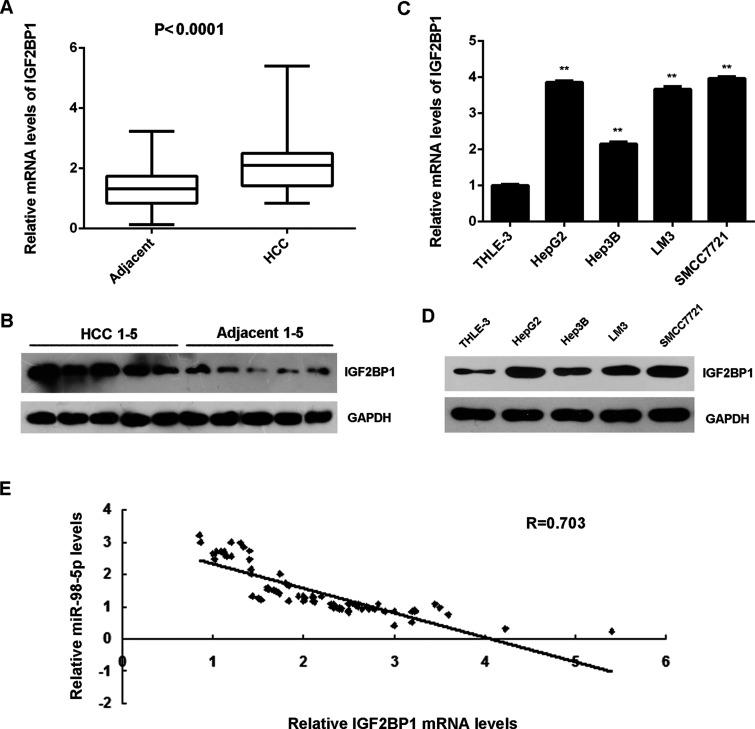
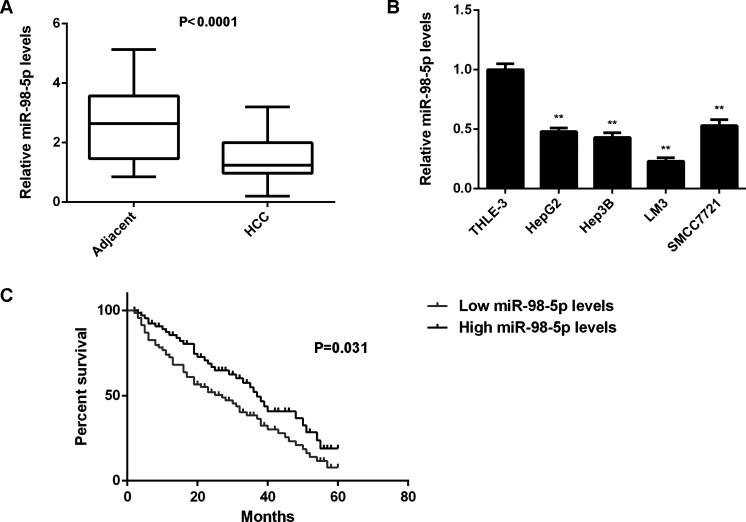
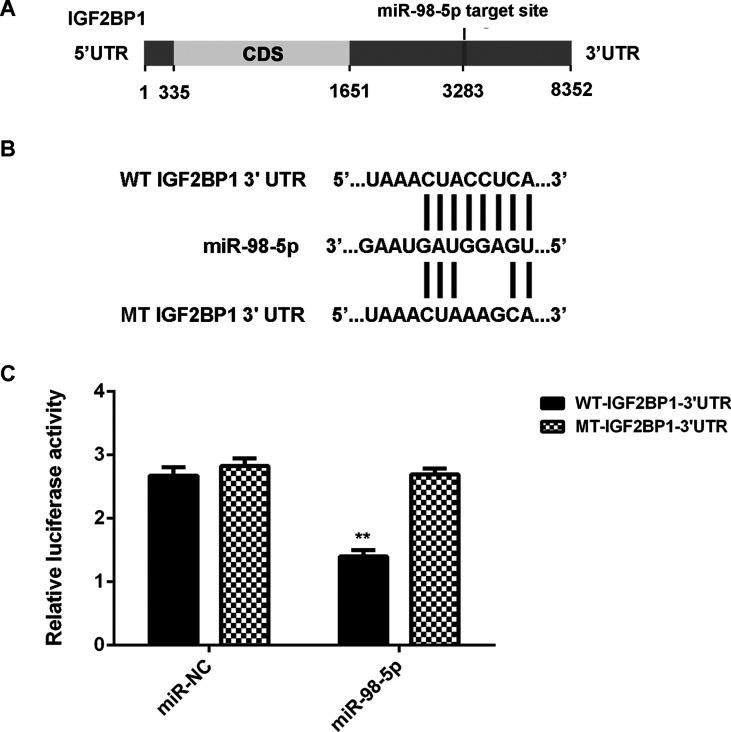
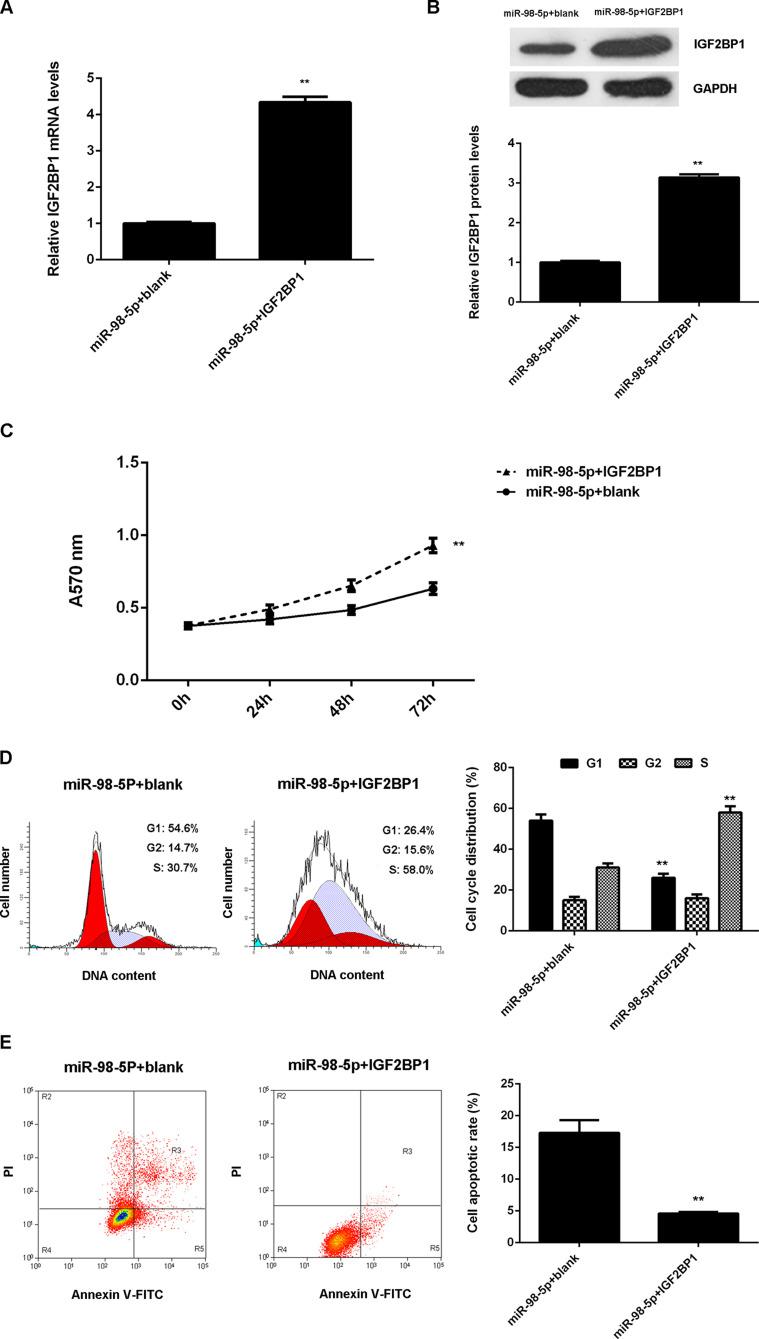
Some microRNAs (miRs) have been demonstrated to play promoting or tumor-suppressing roles in the development and progression of hepatocellular carcinoma (HCC). However, the regulatory mechanism of miR-98-5p in HCC still remains largely unclear. In the present study, our data showed that miR-98-5p was significantly downregulated in 84 cases of HCC tissues compared to the matched adjacent nontumor tissues. In addition, downregulation of miR-98-5p was associated with tumor size, portal vein tumor embolus, node metastasis, and clinical stage in HCC. HCC patients with low expression of miR-98-5p showed a shorter survival time compared with those with high miR-98-5p levels. Moreover, the expression of miR-98-5p was also reduced in HCC cell lines (HepG2, Hep3B, LM3, and SMCC7721) compared to the normal liver cell line THLE-3. Overexpression of miR-98-5p significantly decreased LM3 cell growth by inducing cell cycle arrest at the G1 stage and cell apoptosis. Insulin-like growth factor 2 mRNA-binding protein 1 (IGF2BP1) was then identified as a novel target gene of miR-98-5p, and its protein expression was negatively regulated by miR-98-5p in LM3 cells. Overexpression of IGF2BP1 eliminated the effects of miR-98-5p overexpression on the proliferation, cell cycle, and apoptosis of LM3 cells. Finally, we found that IGF2BP1 was upregulated in HCC, and its expression was negatively correlated to miR-98-5p levels. In summary, we demonstrate that miR-98-5p could inhibit HCC cell proliferation while inducing cell apoptosis, partly at least, via inhibition of its target gene IGF2BP1, and we suggest that miR-98-5p may become a promising therapeutic candidate for HCC treatment.
一些微小RNA(miR)已被证明在肝细胞癌(HCC)的发生和发展中发挥促进或抑癌作用。然而,miR-98-5p在HCC中的调控机制仍不清楚。在本研究中,我们的数据显示,与配对的癌旁非肿瘤组织相比,84例HCC组织中miR-98-5p显著下调。此外,miR-98-5p的下调与HCC的肿瘤大小、门静脉癌栓、淋巴结转移及临床分期相关。miR-98-5p低表达的HCC患者与miR-98-5p高表达患者相比生存期更短。此外,与正常肝细胞系THLE-3相比,HCC细胞系(HepG2、Hep3B、LM3和SMCC7721)中miR-98-5p的表达也降低。miR-98-5p的过表达通过诱导细胞周期阻滞在G1期和细胞凋亡显著降低LM3细胞的生长。胰岛素样生长因子2 mRNA结合蛋白1(IGF2BP1)随后被鉴定为miR-98-5p的一个新靶基因,其蛋白表达在LM3细胞中受到miR-98-5p的负调控。IGF2BP1的过表达消除了miR-98-5p过表达对LM3细胞增殖、细胞周期和凋亡的影响。最后,我们发现IGF2BP1在HCC中上调,其表达与miR-98-5p水平呈负相关。总之,我们证明miR-98-5p可以抑制HCC细胞增殖并诱导细胞凋亡,至少部分是通过抑制其靶基因IGF2BP1实现的,并且我们认为miR-98-5p可能成为HCC治疗的一个有前景的治疗候选物。


 Zotero 插件