
通过不同时空线索在共同起始端选择基因上的分子汇聚来确定神经元细胞命运
Neuronal cell fate specification by the molecular convergence of different spatio-temporal cues on a common initiator terminal selector gene.
作者信息
Stratmann Johannes, Thor Stefan
机构信息
Department of Clinical and Experimental Medicine, Linköping University, Linköping, Sweden.
出版信息
PLoS Genet. 2017 Apr 17;13(4):e1006729. doi: 10.1371/journal.pgen.1006729. eCollection 2017 Apr.
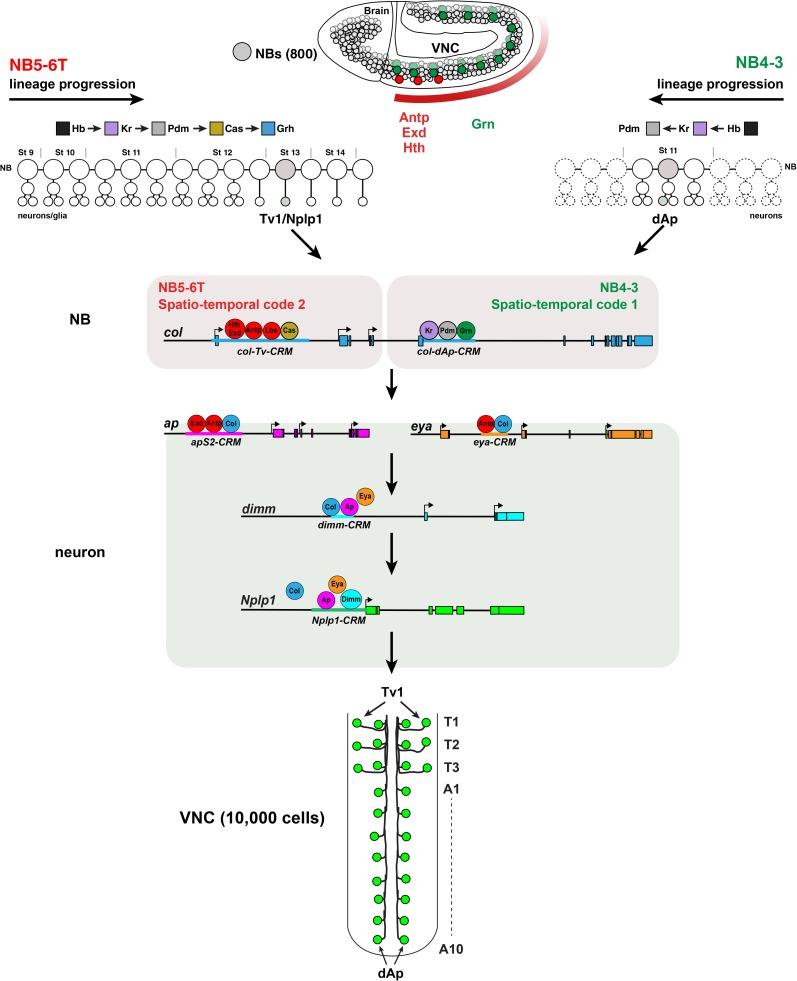
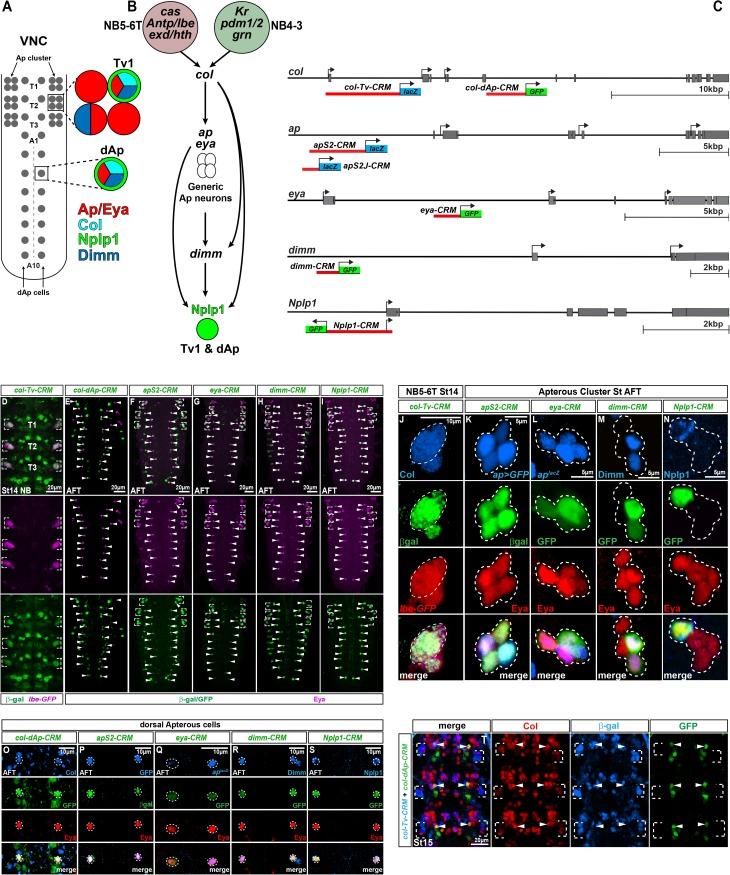
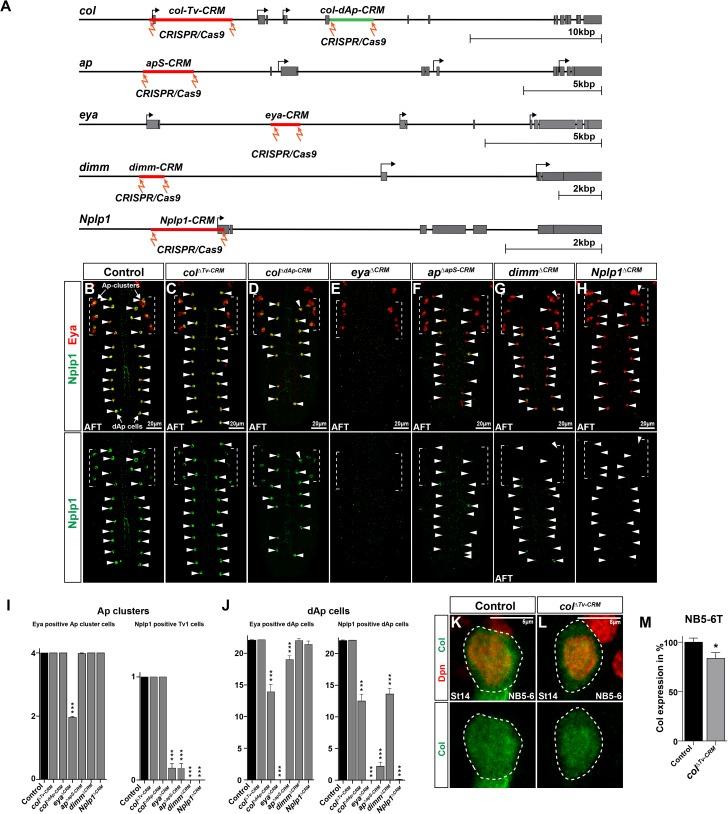
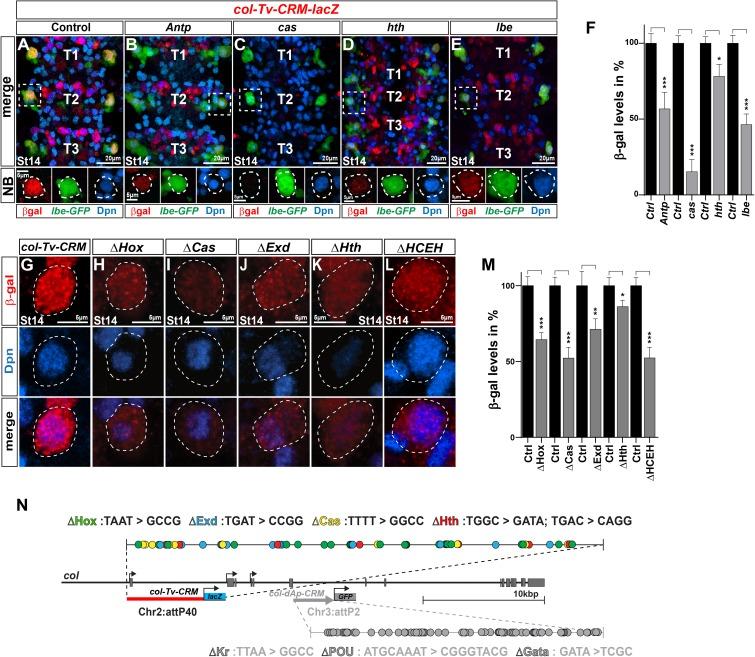
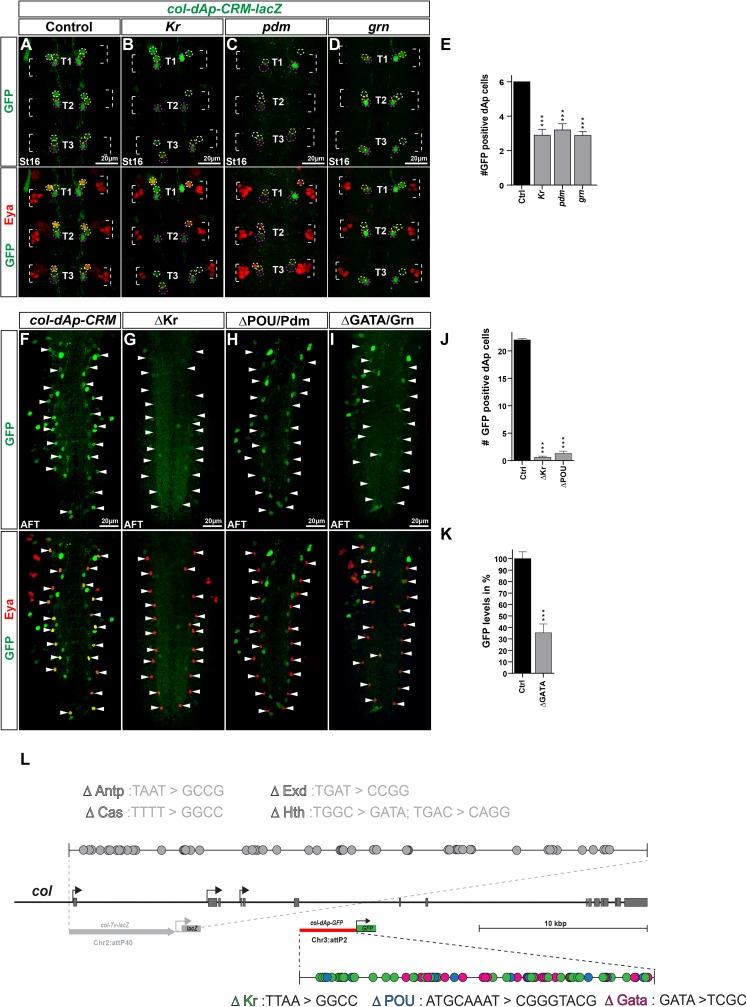
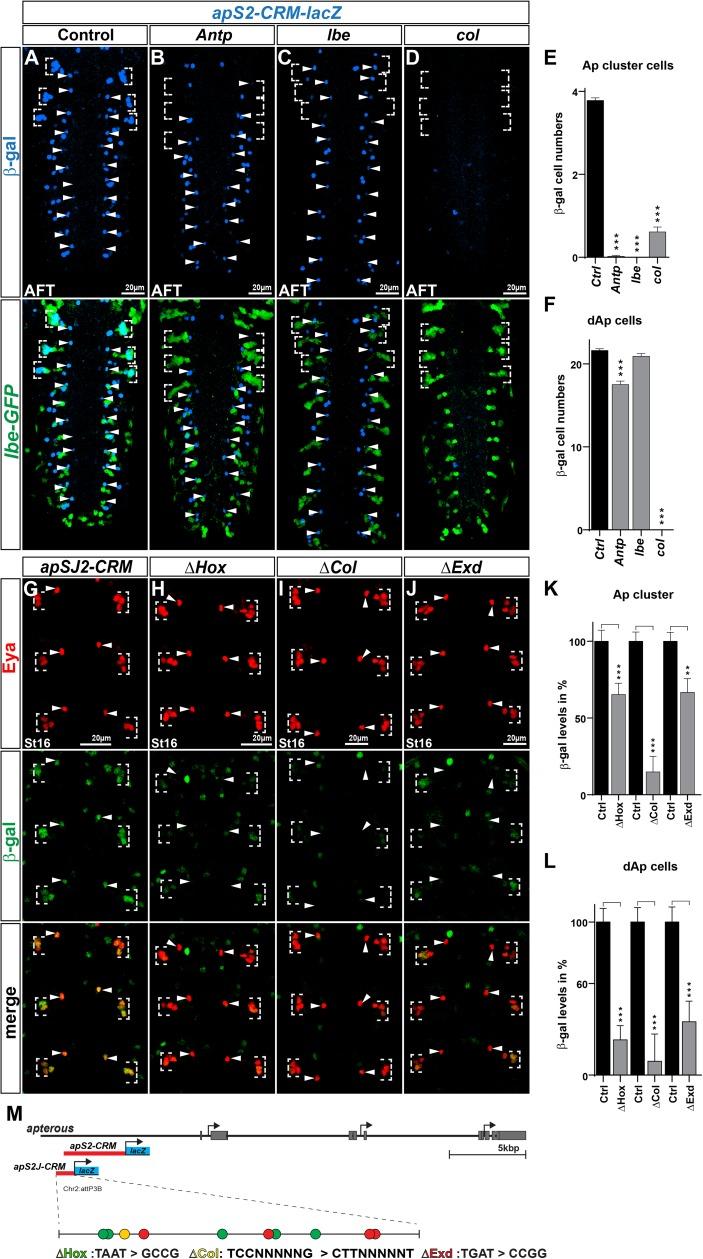
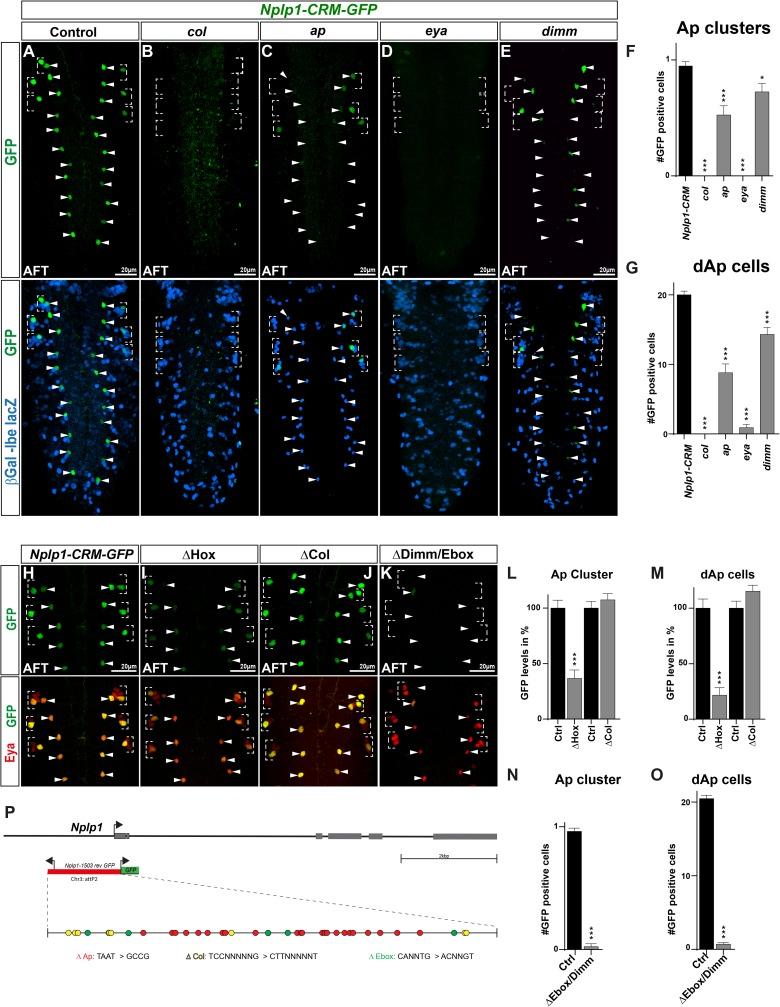
The extensive genetic regulatory flows underlying specification of different neuronal subtypes are not well understood at the molecular level. The Nplp1 neuropeptide neurons in the developing Drosophila nerve cord belong to two sub-classes; Tv1 and dAp neurons, generated by two distinct progenitors. Nplp1 neurons are specified by spatial cues; the Hox homeotic network and GATA factor grn, and temporal cues; the hb -> Kr -> Pdm -> cas -> grh temporal cascade. These spatio-temporal cues combine into two distinct codes; one for Tv1 and one for dAp neurons that activate a common terminal selector feedforward cascade of col -> ap/eya -> dimm -> Nplp1. Here, we molecularly decode the specification of Nplp1 neurons, and find that the cis-regulatory organization of col functions as an integratory node for the different spatio-temporal combinatorial codes. These findings may provide a logical framework for addressing spatio-temporal control of neuronal sub-type specification in other systems.
在分子水平上,对于不同神经元亚型特化背后广泛的基因调控流程,人们还了解得不够透彻。发育中的果蝇神经索中的Nplp1神经肽神经元属于两个亚类:Tv1和dAp神经元,由两种不同的祖细胞产生。Nplp1神经元由空间线索指定,即同源异型基因网络Hox和GATA因子grn,以及时间线索,即hb -> Kr -> Pdm -> cas -> grh时间级联。这些时空线索组合成两个不同的编码,一个用于Tv1,一个用于dAp神经元,它们激活一个共同的终端选择器前馈级联反应col -> ap/eya -> dimm -> Nplp1。在这里,我们从分子层面解码了Nplp1神经元的特化过程,并发现col的顺式调控组织作为不同时空组合编码的整合节点。这些发现可能为解决其他系统中神经元亚型特化的时空控制问题提供一个逻辑框架。

 Zotero 插件