
大豆棉子糖合酶基因沉默降低了家禽饲料中的棉子糖家族寡糖并提高了真代谢能
Silencing of Soybean Raffinose Synthase Gene Reduced Raffinose Family Oligosaccharides and Increased True Metabolizable Energy of Poultry Feed.
作者信息
Valentine Michelle F, De Tar Joann R, Mookkan Muruganantham, Firman Jeffre D, Zhang Zhanyuan J
机构信息
Plant Transformation Core Facility, Division of Plant Sciences, University of MissouriColumbia, MO, USA.
Division of Animal Sciences, University of MissouriColumbia, MO, USA.
出版信息
Front Plant Sci. 2017 May 16;8:692. doi: 10.3389/fpls.2017.00692. eCollection 2017.
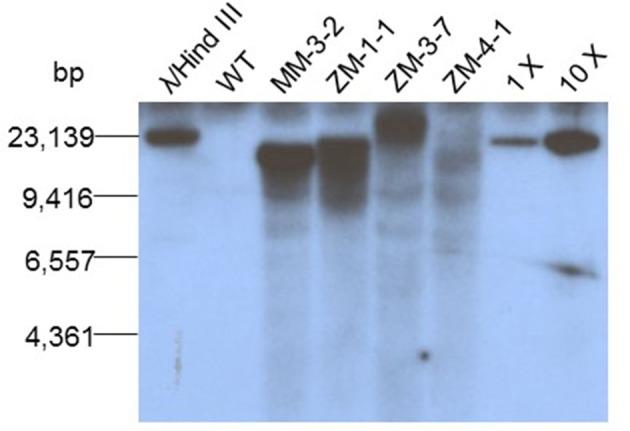
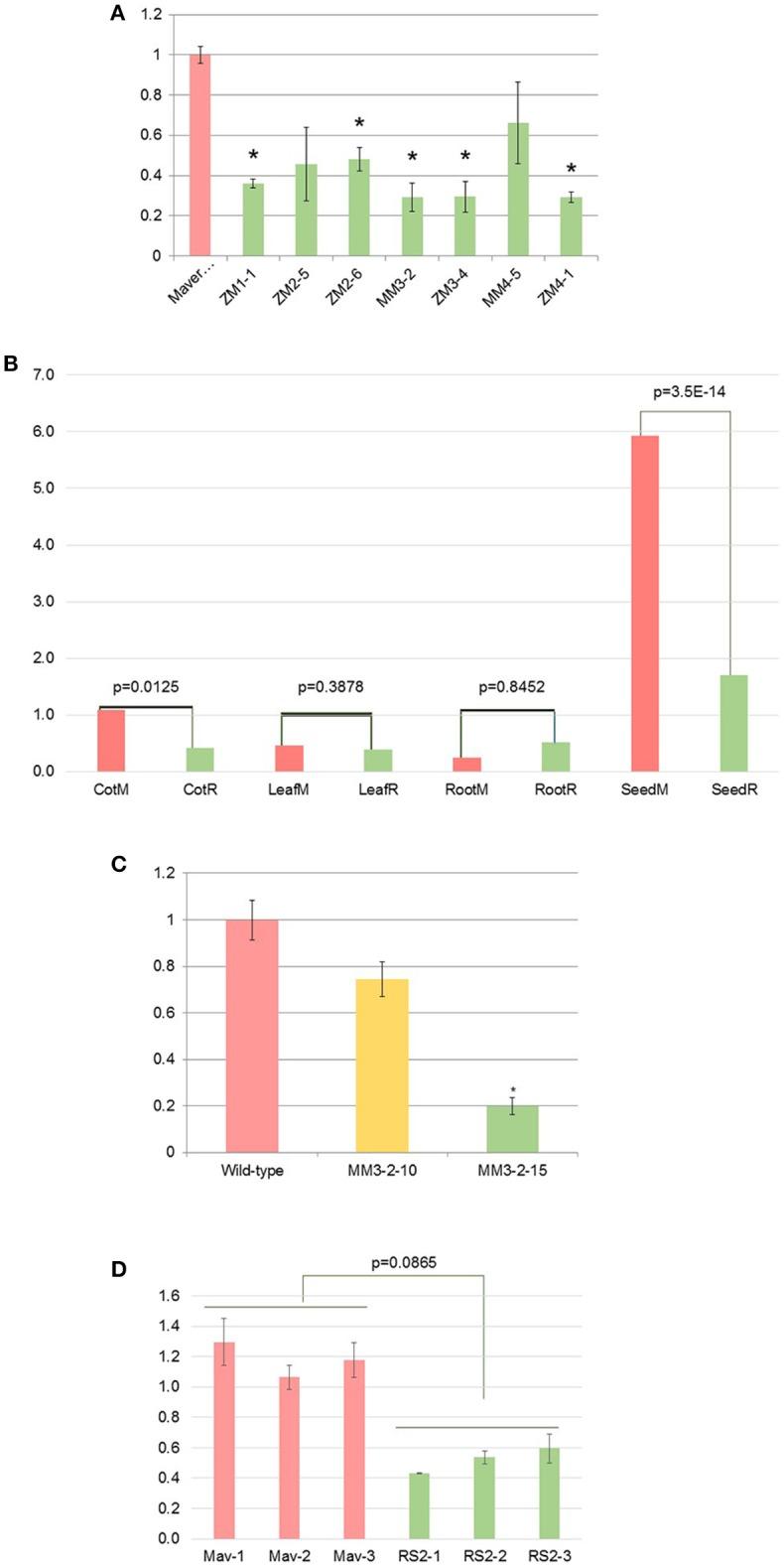
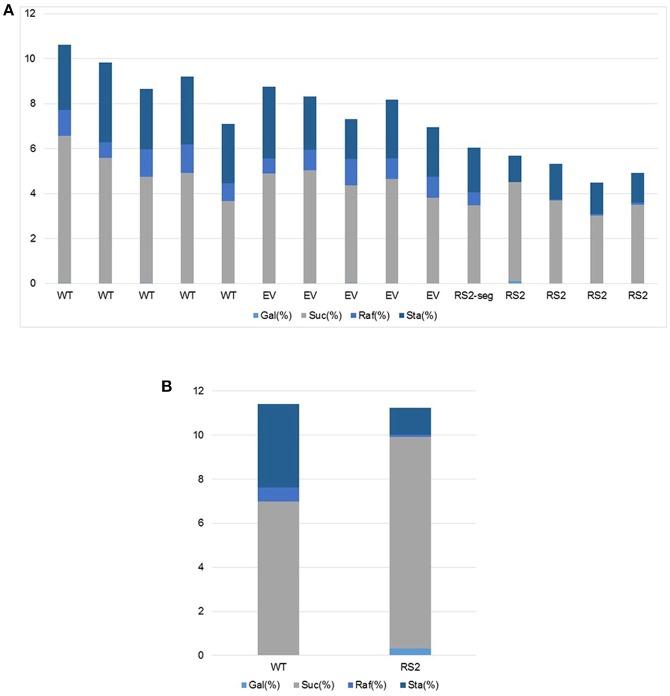
Soybean [ (L.) Merr.] is the number one oil and protein crop in the United States, but the seed contains several anti-nutritional factors that are toxic to both humans and livestock. RNA interference technology has become an increasingly popular technique in gene silencing because it allows for both temporal and spatial targeting of specific genes. The objective of this research is to use RNA-mediated gene silencing to down-regulate the soybean gene (), to reduce total raffinose content in mature seed. Raffinose is a trisaccharide that is indigestible to humans and monogastric animals, and as monogastric animals are the largest consumers of soy products, reducing raffinose would improve the nutritional quality of soybean. An RNAi construct targeting was designed, cloned, and transformed to the soybean genome via transformation. Resulting plants were analyzed for the presence and number of copies of the transgene by PCR and Southern blot. The efficiency of mRNA silencing was confirmed by real-time quantitative PCR. Total raffinose content was determined by HPLC analysis. Transgenic plant lines were recovered that exhibited dramatically reduced levels of raffinose in mature seed, and these lines were further analyzed for other phenotypes such as development and yield. Additionally, a precision-fed rooster assay was conducted to measure the true metabolizable energy (TME) in full-fat soybean meal made from the wild-type or transgenic low-raffinose soybean lines. Transgenic low-raffinose soy had a measured TME of 2,703 kcal/kg, an increase as compared with 2,411 kcal/kg for wild-type. As low digestible energy is a major limiting factor in the percent of soybean meal that can be used in poultry diets, these results may substantiate the use of higher concentrations of low-raffinose, full-fat soy in formulated livestock diets.
大豆[(L.)Merr.]是美国头号油料和蛋白质作物,但种子含有多种对人类和牲畜有毒的抗营养因子。RNA干扰技术已成为基因沉默中越来越受欢迎的技术,因为它允许对特定基因进行时空靶向。本研究的目的是利用RNA介导的基因沉默来下调大豆基因(),以降低成熟种子中的总棉子糖含量。棉子糖是一种三糖,人类和单胃动物无法消化,由于单胃动物是大豆产品的最大消费群体,降低棉子糖含量将提高大豆的营养品质。设计了一种靶向的RNAi构建体,进行克隆,并通过转化将其导入大豆基因组。通过PCR和Southern印迹分析所得植株中转基因的存在情况和拷贝数。通过实时定量PCR确认mRNA沉默的效率。通过HPLC分析测定总棉子糖含量。获得了转基因植株系,其成熟种子中的棉子糖水平显著降低,并对这些植株系的其他表型如发育和产量进行了进一步分析。此外,进行了精确饲喂公鸡试验,以测量由野生型或转基因低棉子糖大豆品系制成的全脂豆粕中的真代谢能(TME)。转基因低棉子糖大豆的实测TME为2703千卡/千克,与野生型的2411千卡/千克相比有所增加。由于低消化能是可用于家禽日粮的豆粕百分比的主要限制因素,这些结果可能证实了在配制的牲畜日粮中使用更高浓度的低棉子糖全脂大豆的合理性。

 Zotero 插件