
利什曼病综述
Leishmaniasis: a review.
作者信息
Torres-Guerrero Edoardo, Quintanilla-Cedillo Marco Romano, Ruiz-Esmenjaud Julieta, Arenas Roberto
机构信息
Sección de Micología, Hospital "Manuel Gea González" Secretaría de Salud, Calz. de Tlalpan 4800, Ciudad de México 14080, Mexico.
Dermatólogo, Clínica Carranza, Chetumal, Quintana Roo, Mexico.
出版信息
F1000Res. 2017 May 26;6:750. doi: 10.12688/f1000research.11120.1. eCollection 2017.
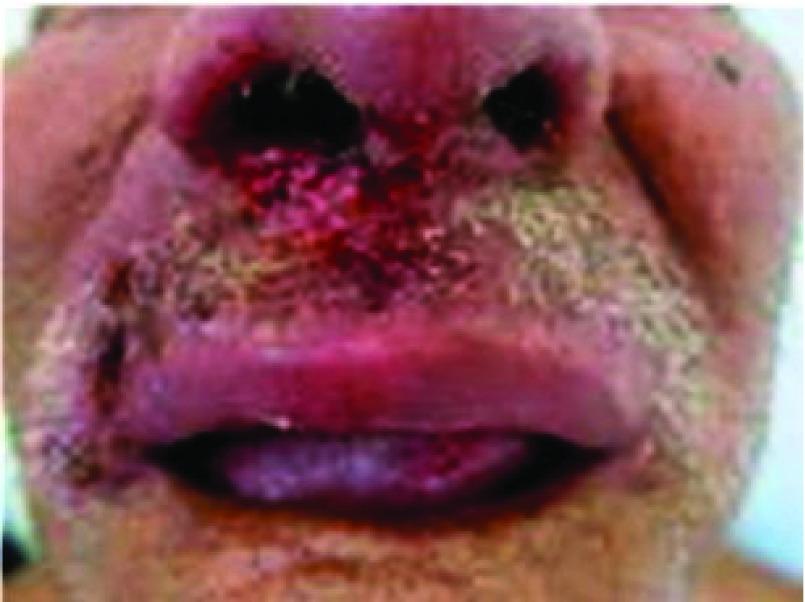
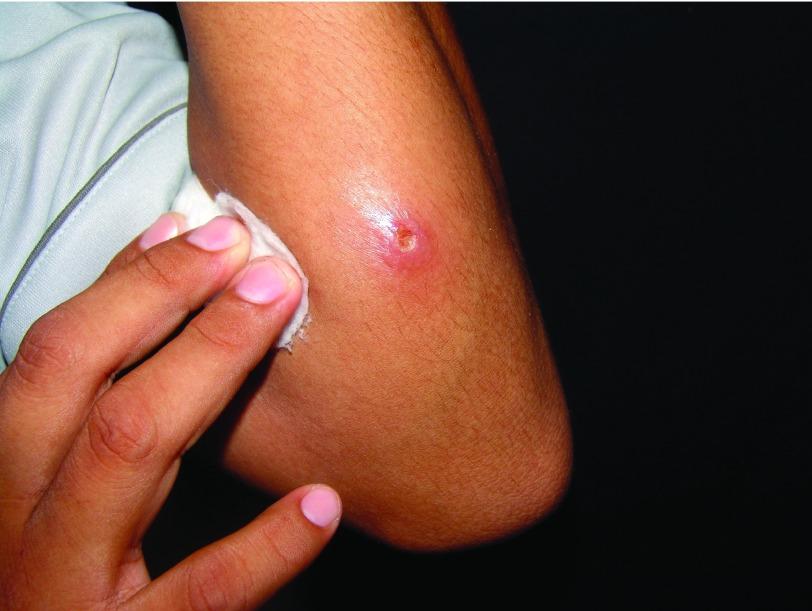
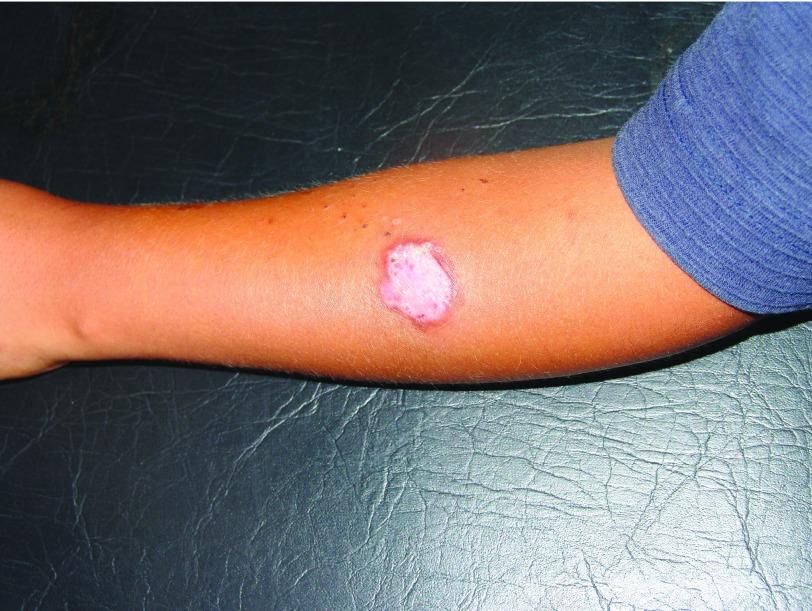
Leishmaniasis is caused by an intracellular parasite transmitted to humans by the bite of a sand fly. It is endemic in Asia, Africa, the Americas, and the Mediterranean region. Worldwide, 1.5 to 2 million new cases occur each year, 350 million are at risk of acquiring the disease, and leishmaniasis causes 70,000 deaths per year. Clinical features depend on the species of involved and the immune response of the host. Manifestations range from the localized cutaneous to the visceral form with potentially fatal outcomes. Many drugs are used in its treatment, but the only effective treatment is achieved with current pentavalent antimonials.
利什曼病由一种细胞内寄生虫引起,通过白蛉叮咬传播给人类。该病在亚洲、非洲、美洲和地中海地区流行。全球每年有150万至200万新发病例,3.5亿人有感染该病的风险,利什曼病每年导致7万人死亡。临床特征取决于所涉及的物种和宿主的免疫反应。表现范围从局部皮肤型到内脏型,可能导致致命后果。治疗中使用了多种药物,但目前唯一有效的治疗方法是使用五价锑剂。




 Zotero 插件