
化学蛋白质组学中的光亲和标记(PAL):一种研究蛋白质-蛋白质相互作用(PPI)的便捷工具。
Photo-affinity labeling (PAL) in chemical proteomics: a handy tool to investigate protein-protein interactions (PPIs).
作者信息
Murale Dhiraj P, Hong Seong Cheol, Haque Md Mamunul, Lee Jun-Seok
机构信息
Molecular Recognition Research Center, Korea Institute of Science and Technology, 39-1 Hawolgok-dong, Seoul, 136-791 Republic of Korea.
Department of Biological Chemistry, KIST-School UST, 39-1 Hawolgok-dong, Seoul, 136-791 Republic of Korea.
出版信息
Proteome Sci. 2017 Jun 24;15:14. doi: 10.1186/s12953-017-0123-3. eCollection 2016.
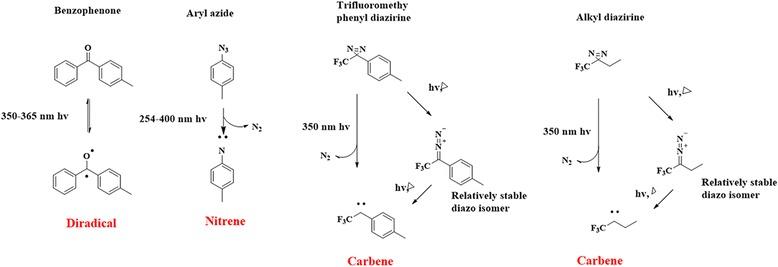
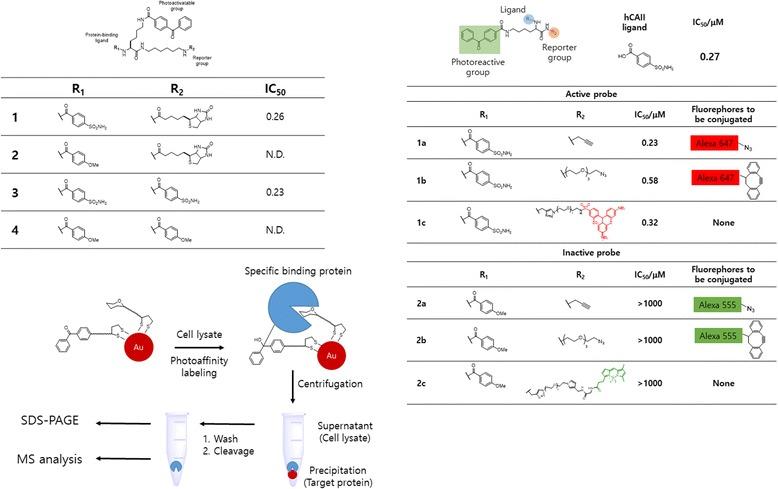
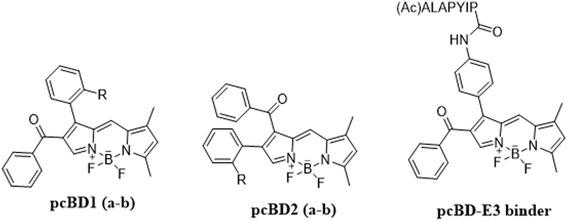
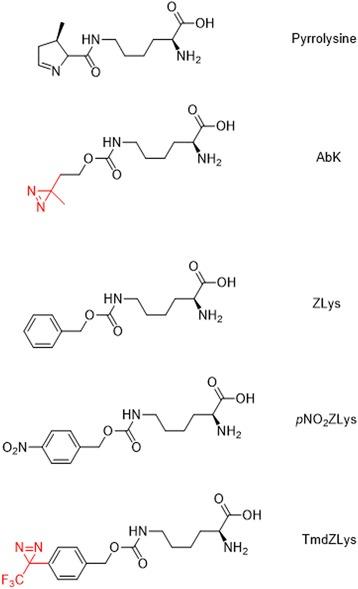
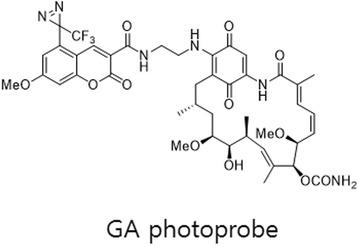
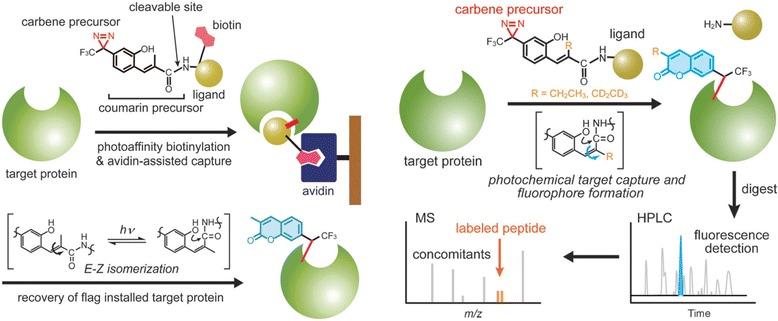
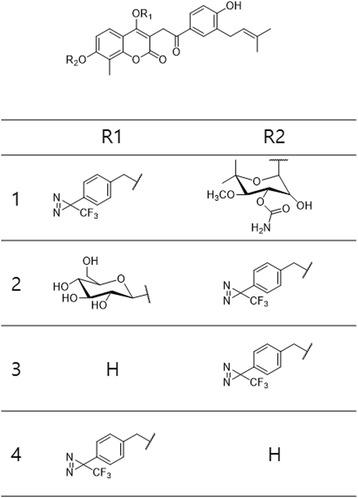
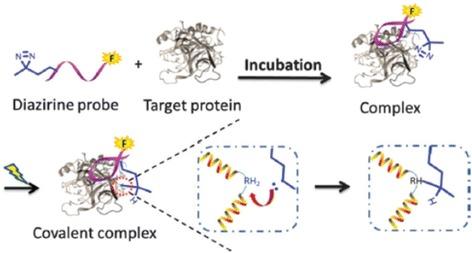
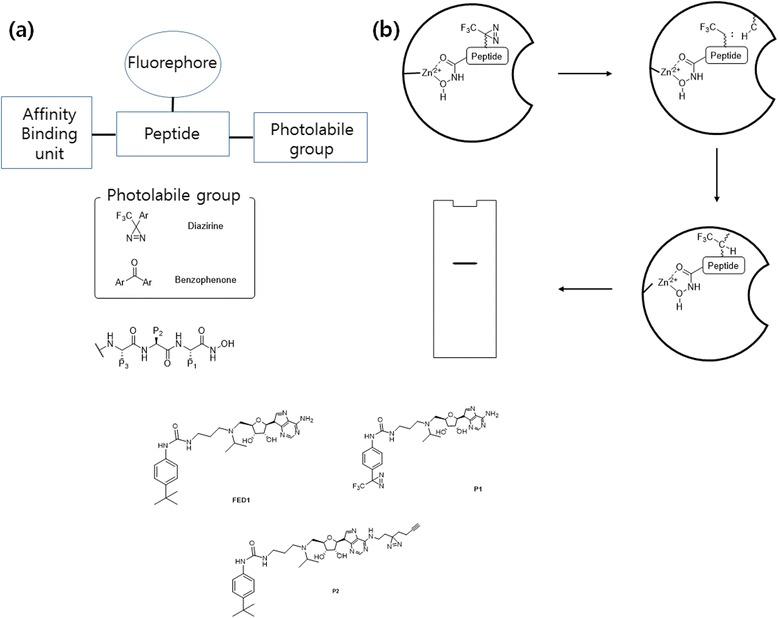
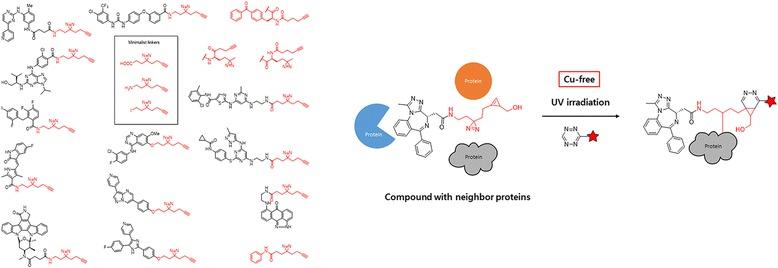
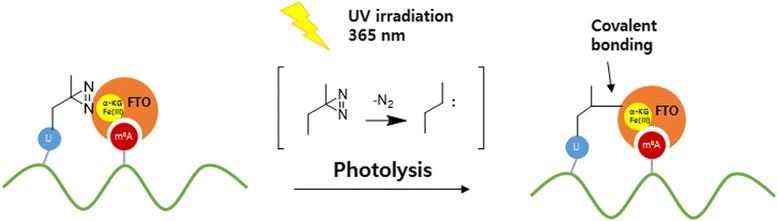
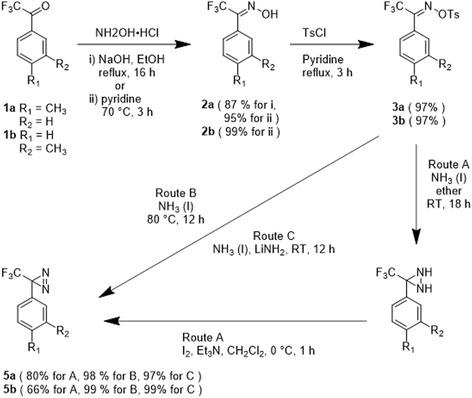
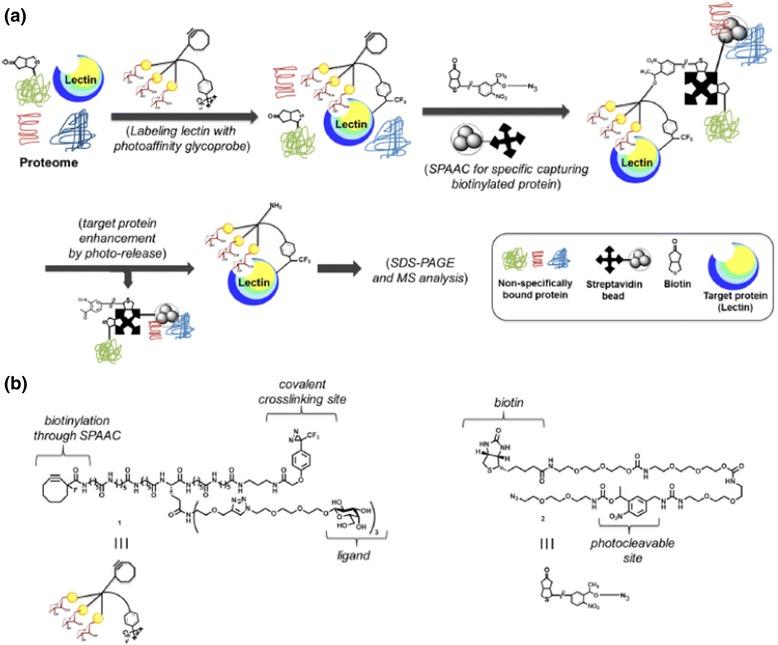
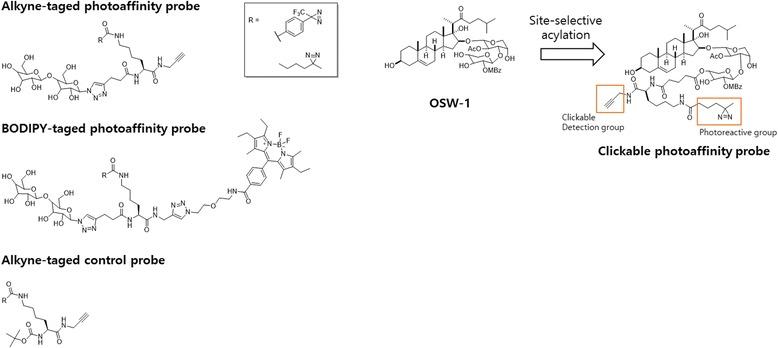
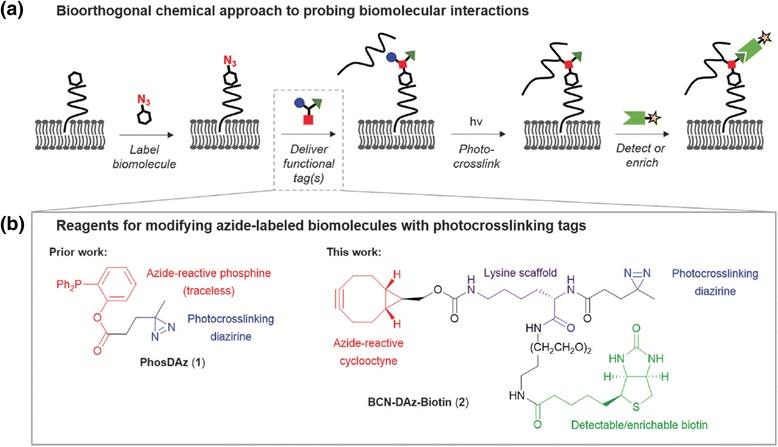
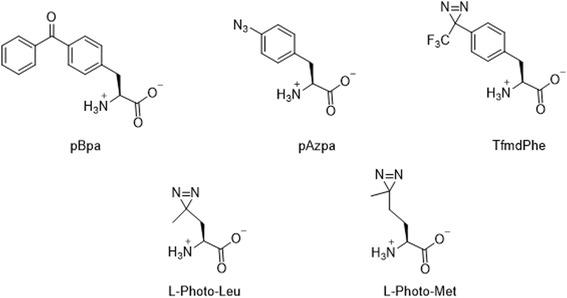
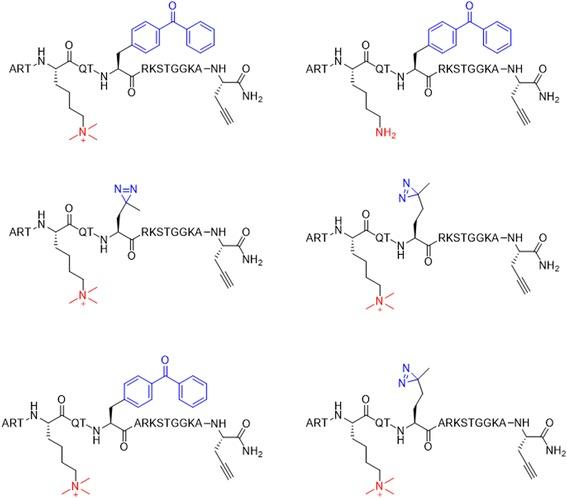
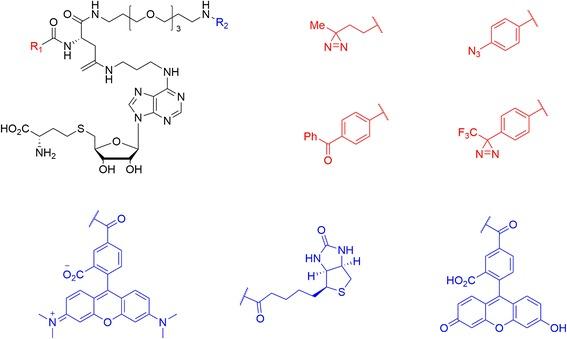
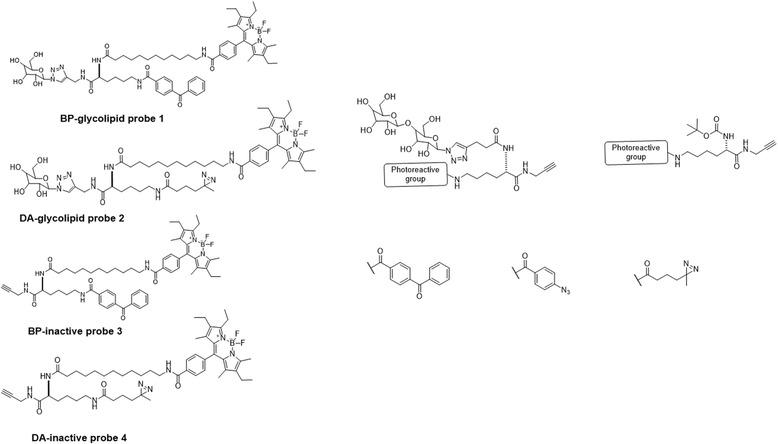
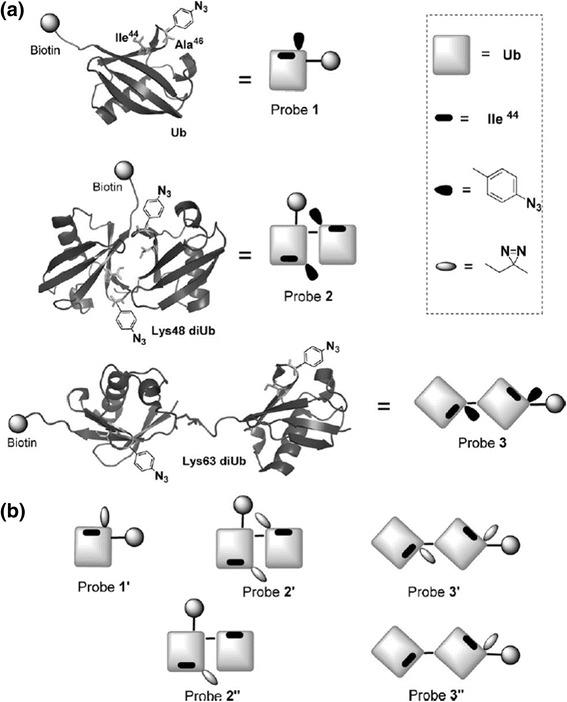
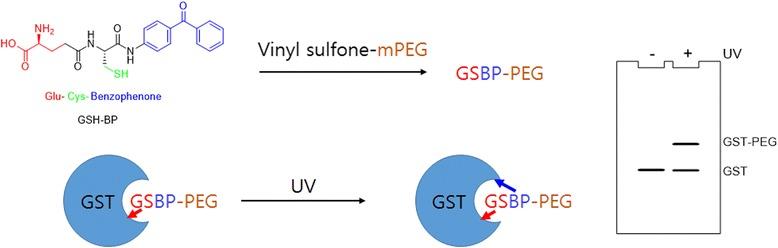
Protein-protein interactions (PPIs) trigger a wide range of biological signaling pathways that are crucial for biomedical research and drug discovery. Various techniques have been used to study specific proteins, including affinity chromatography, activity-based probes, affinity-based probes and photo-affinity labeling (PAL). PAL has become one of the most powerful strategies to study PPIs. Traditional photocrosslinkers are used in PAL, including benzophenone, aryl azide, and diazirine. Upon photoirradiation, these photocrosslinkers (Pls) generate highly reactive species that react with adjacent molecules, resulting in a direct covalent modification. This review introduces recent examples of chemical proteomics study using PAL for PPIs.
蛋白质-蛋白质相互作用(PPIs)触发了广泛的生物信号通路,这些通路对生物医学研究和药物发现至关重要。人们已使用各种技术来研究特定蛋白质,包括亲和色谱法、基于活性的探针、基于亲和力的探针和光亲和标记(PAL)。PAL已成为研究PPIs最强大的策略之一。传统的光交联剂用于PAL,包括二苯甲酮、芳基叠氮化物和重氮酮。在光照射下,这些光交联剂(Pls)会产生与相邻分子发生反应的高活性物种,从而导致直接的共价修饰。本综述介绍了最近使用PAL进行PPIs化学蛋白质组学研究的实例。








 Zotero 插件