
阿米卡星、替考拉宁和聚己缩胍在富血小板纤维蛋白层(PRF)中的体外释放药代动力学——一种现代自体伤口治疗的实验室评估
In-vitro release pharmacokinetics of amikacin, teicoplanin and polyhexanide in a platelet rich fibrin-layer (PRF)-a laboratory evaluation of a modern, autologous wound treatment.
作者信息
Knafl Daniela, Thalhammer Florian, Vossen Matthias G
机构信息
Division of Infectious Diseases and Tropical Medicine, Department of Medicine I, Medical University of Vienna, Vienna, Austria.
出版信息
PLoS One. 2017 Jul 7;12(7):e0181090. doi: 10.1371/journal.pone.0181090. eCollection 2017.
OBJECTIVES
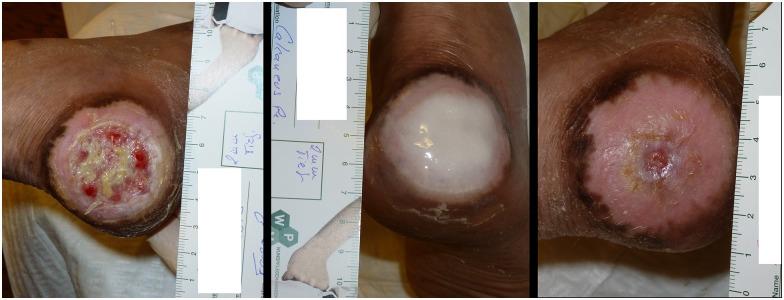
Platelet rich fibrin (PRF) is an autologous fibrin glue, produced from patients' blood, which, besides intraoperative use, has applications in the treatment of infected wounds. The combination with antimicrobial agents results in a prolonged antibacterial effect allowing for wound dressing change intervals of seven days even in infected wounds. The aim of this study was to evaluate release kinetics of amikacin, teicoplanin or polyhexanide from a PRF-layer.
METHODS
PRF mixed with teicoplanin, amikacin or polyhexanide was sprayed on a silicon gauze patch and put on a colombia agar with bacteria with known minimal inhibitory concentration (MIC) and incubated for 24 hours and afterwards transferred to another agar with the same bacterial strain. Inhibition zones were measured every 24 hours. This was repeated on 7 consecutive days. Antibiotic concentrations were calculated by interpolation.
RESULTS
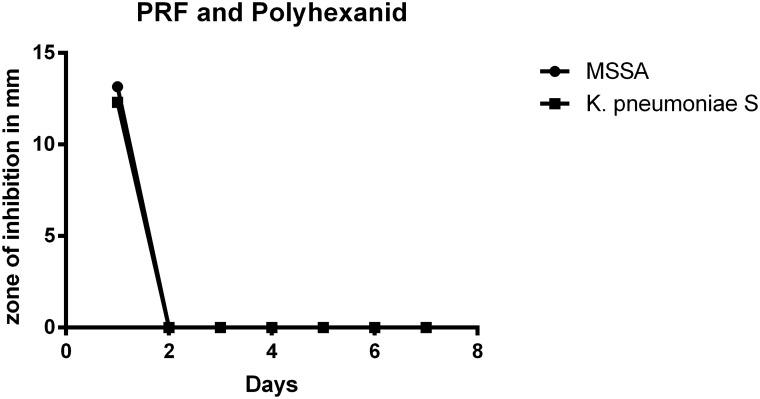
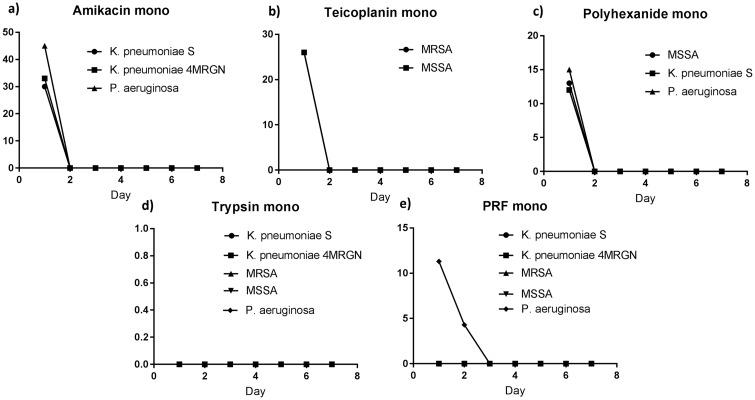
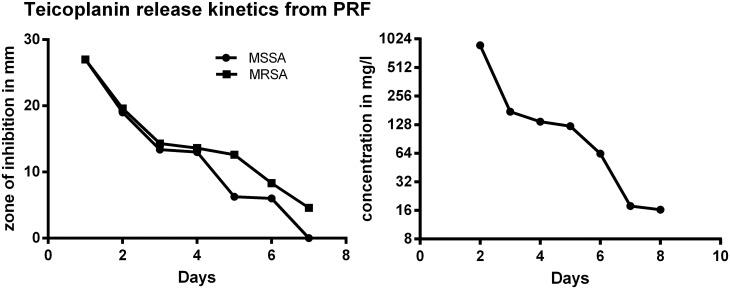
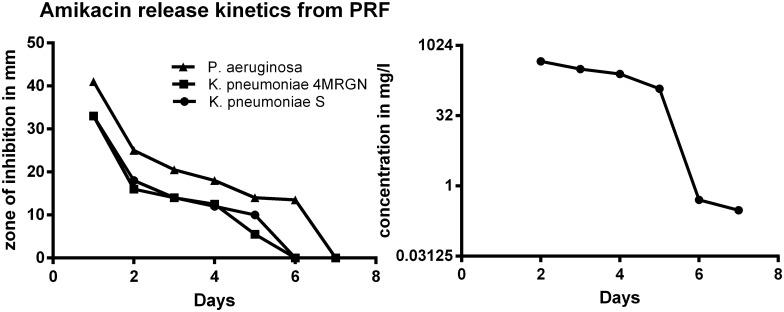
More than 1000 mg/L teicoplanin were released within the first 24 hours and 28.22 mg/L after 168 hours. Amikacin release was above 10,000 mg/L within the first 24 hours and still 120.8 mg/L after 120 hours. A release of polyhexanide could be verified for the first 24 hours only. Consequently teicoplanin and amikacin released from PRF showed antimicrobial in-vitro effects for almost a week, whereas an antimicrobial effect of polyhexanide could only be verified for the first 24 hours.
CONCLUSIONS
Our Results show that a weekly dressing regimen may be justified in wounds treated with PRF plus amikacin or teicoplanin, since bacteria will be eradicated over a considerable period of time after a single application of PRF.
目的
富血小板纤维蛋白(PRF)是一种由患者血液制成的自体纤维蛋白胶,除了术中使用外,还可用于治疗感染伤口。与抗菌剂联合使用可产生延长的抗菌效果,即使在感染伤口中,伤口换药间隔也可达七天。本研究的目的是评估阿米卡星、替考拉宁或聚己双胍从PRF层的释放动力学。
方法
将与替考拉宁、阿米卡星或聚己双胍混合的PRF喷洒在硅胶纱布贴片上,置于含有已知最低抑菌浓度(MIC)细菌的哥伦比亚琼脂上,孵育24小时,然后转移到含有相同菌株的另一琼脂上。每24小时测量抑菌圈。连续7天重复此操作。通过插值计算抗生素浓度。
结果
在最初24小时内释放了超过1000mg/L的替考拉宁,168小时后为28.22mg/L。阿米卡星在最初24小时内释放量高于10000mg/L,120小时后仍为120.8mg/L。聚己双胍仅在最初24小时内有释放。因此,从PRF释放的替考拉宁和阿米卡星在体外显示出近一周的抗菌效果,而聚己双胍的抗菌效果仅在最初24小时内得到证实。
结论
我们的结果表明,在用PRF加阿米卡星或替考拉宁治疗的伤口中,每周换药方案可能是合理的,因为单次应用PRF后,细菌将在相当长的一段时间内被根除。
 Zotero 插件