
用于生物医学应用的抗菌水凝胶的制备进展
Advances in the Fabrication of Antimicrobial Hydrogels for Biomedical Applications.
作者信息
González-Henríquez Carmen M, Sarabia-Vallejos Mauricio A, Rodriguez-Hernandez Juan
机构信息
Departamento de Química, Matemáticas y del Medio Ambiente, Facultad de Ciencias Naturales, Universidad Tecnológica Metropolitana, P.O. Box 9845, Correo 21, Santiago 7800003, Chile.
Departamento de Ingeniería Estructural y Geotecnia, Escuela de Ingeniería, Pontificia Universidad Católica de Chile, P.O. Box 306, Correo 22, Santiago 7820436, Chile.
出版信息
Materials (Basel). 2017 Feb 26;10(3):232. doi: 10.3390/ma10030232.
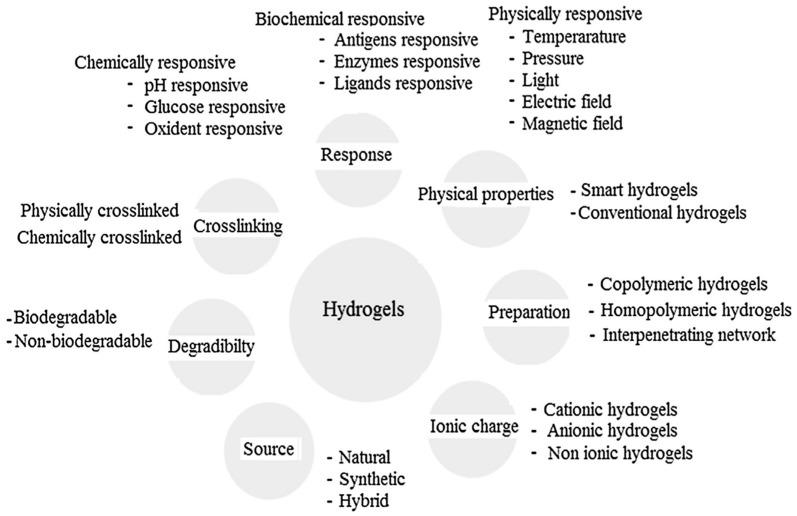
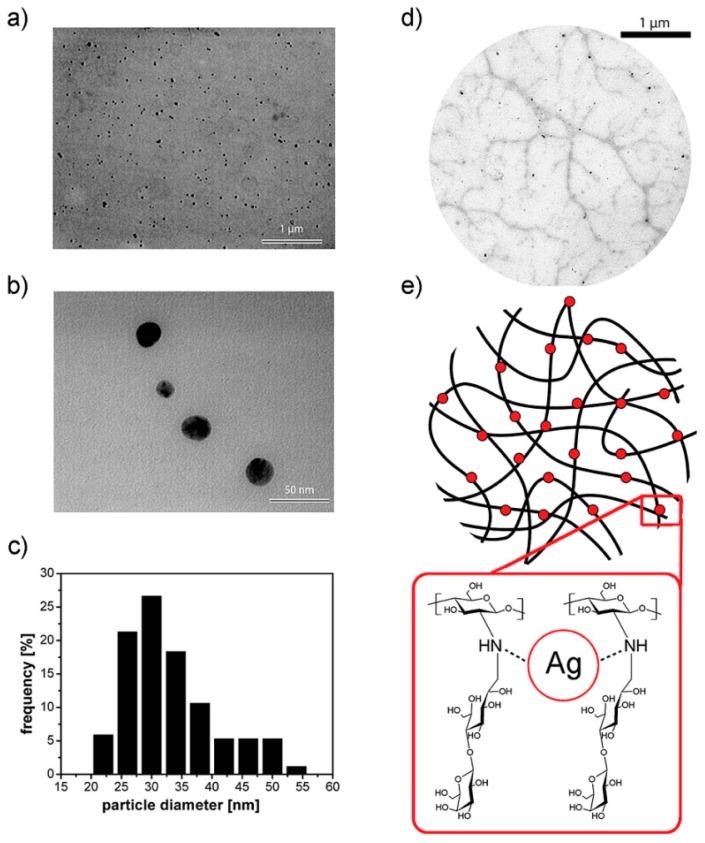
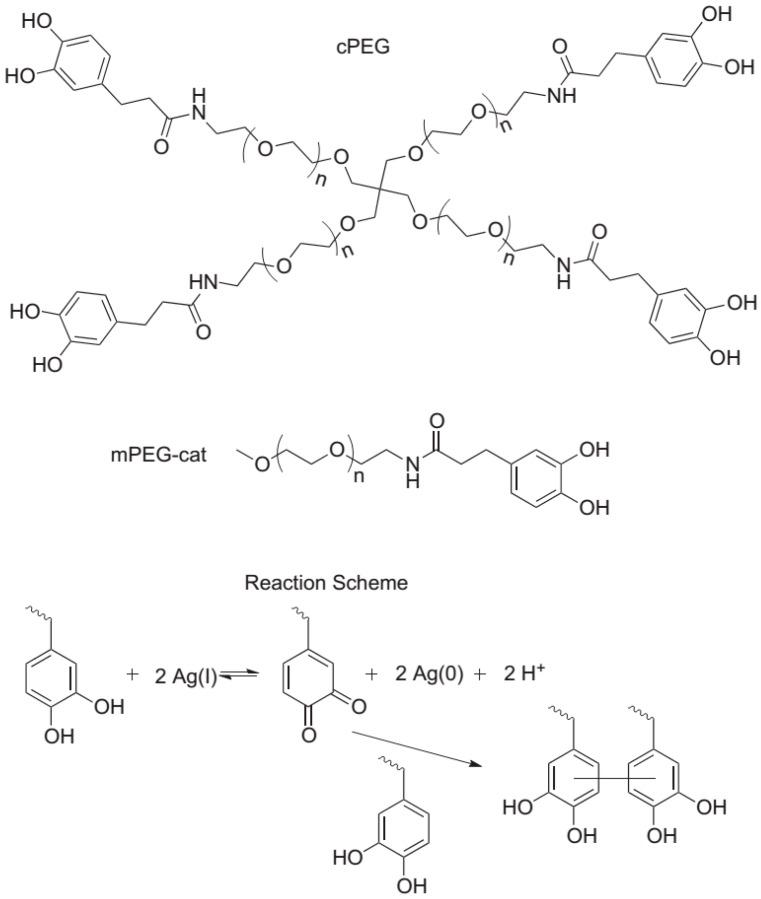
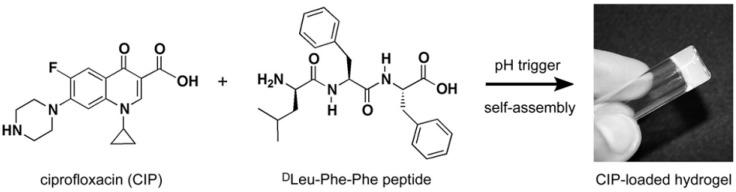
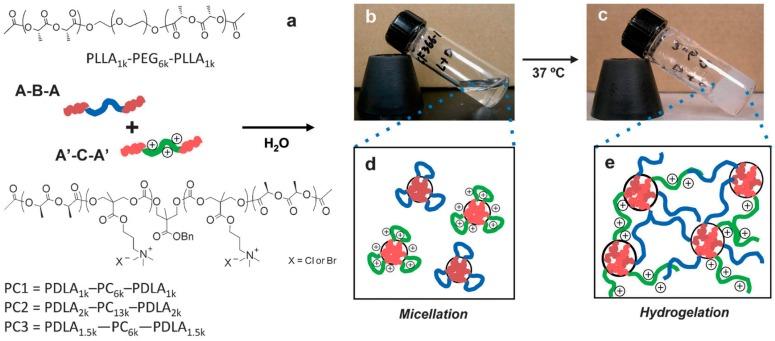
This review describes, in an organized manner, the recent developments in the elaboration of hydrogels that possess antimicrobial activity. The fabrication of antibacterial hydrogels for biomedical applications that permits cell adhesion and proliferation still remains as an interesting challenge, in particular for tissue engineering applications. In this context, a large number of studies has been carried out in the design of hydrogels that serve as support for antimicrobial agents (nanoparticles, antibiotics, etc.). Another interesting approach is to use polymers with inherent antimicrobial activity provided by functional groups contained in their structures, such as quaternary ammonium salt or hydrogels fabricated from antimicrobial peptides (AMPs) or natural polymers, such as chitosan. A summary of the different alternatives employed for this purpose is described in this review, considering their advantages and disadvantages. Finally, more recent methodologies that lead to more sophisticated hydrogels that are able to react to external stimuli are equally depicted in this review.
本综述以有条理的方式描述了具有抗菌活性的水凝胶制备方面的最新进展。用于生物医学应用且允许细胞黏附和增殖的抗菌水凝胶的制备仍然是一个有趣的挑战,特别是对于组织工程应用而言。在此背景下,在设计用作抗菌剂(纳米颗粒、抗生素等)载体的水凝胶方面已经开展了大量研究。另一种有趣的方法是使用因其结构中所含官能团而具有固有抗菌活性的聚合物,例如季铵盐,或者由抗菌肽(AMPs)或天然聚合物(如壳聚糖)制备的水凝胶。本综述描述了为此目的采用的不同方法的总结,同时考虑了它们的优缺点。最后,本综述同样描述了能制备出更复杂且能够对外界刺激做出反应的水凝胶的最新方法。





 Zotero 插件