
电压依赖性阴离子通道1作为新型抗癌治疗的新兴药物靶点。
Voltage-Dependent Anion Channel 1 As an Emerging Drug Target for Novel Anti-Cancer Therapeutics.
作者信息
Shoshan-Barmatz Varda, Krelin Yakov, Shteinfer-Kuzmine Anna, Arif Tasleem
机构信息
Department of Life Sciences, National Institute for Biotechnology in the Negev, Ben-Gurion University of the Negev, Beer-Sheva, Israel.
出版信息
Front Oncol. 2017 Jul 31;7:154. doi: 10.3389/fonc.2017.00154. eCollection 2017.
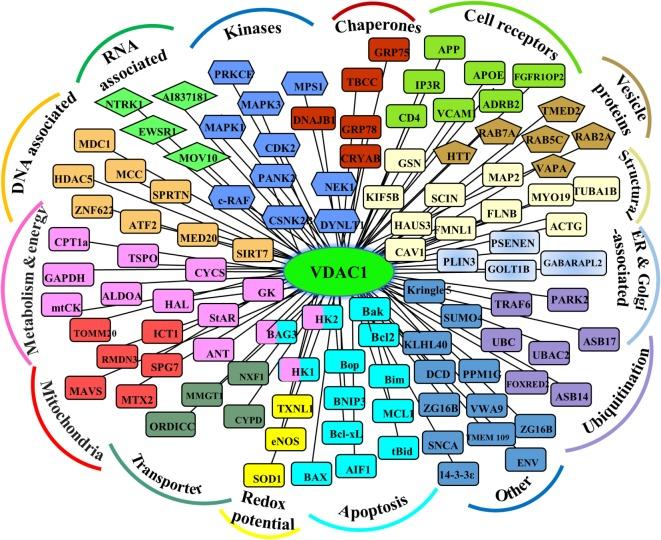
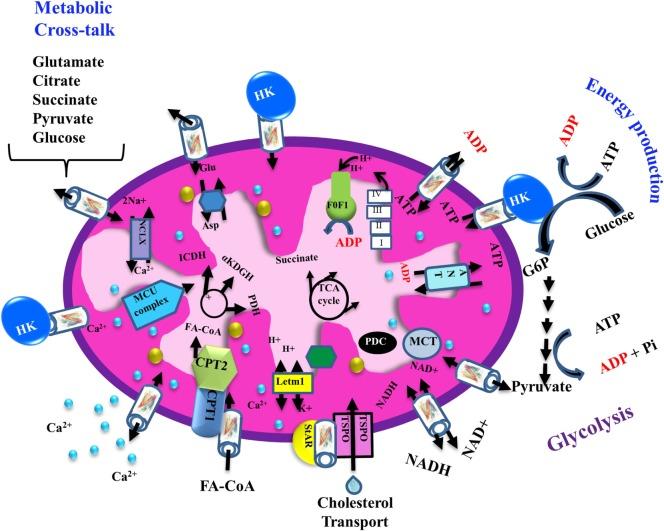
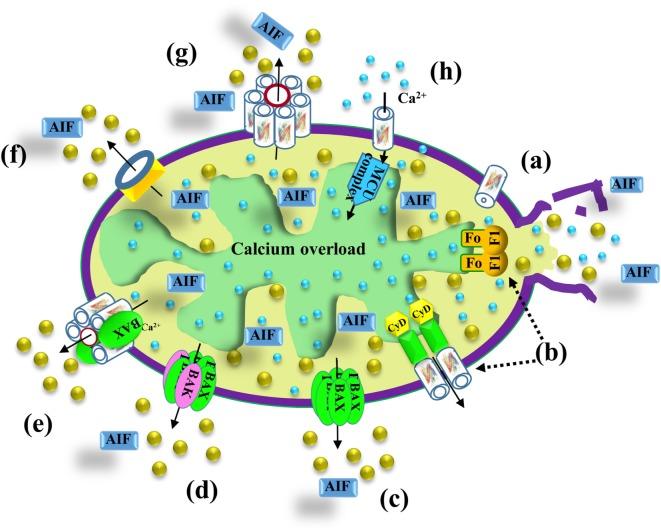
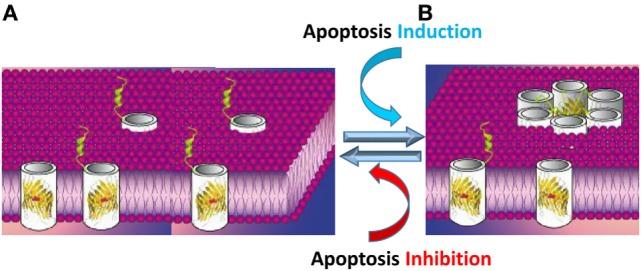
Cancer cells share several properties, high proliferation potential, reprogramed metabolism, and resistance to apoptotic cues. Acquiring these hallmarks involves changes in key oncogenes and non-oncogenes essential for cancer cell survival and prosperity, and is accompanied by the increased energy requirements of proliferating cells. Mitochondria occupy a central position in cell life and death with mitochondrial bioenergetics, biosynthesis, and signaling are critical for tumorigenesis. Voltage-dependent anion channel 1 (VDAC1) is situated in the outer mitochondrial membrane (OMM) and serving as a mitochondrial gatekeeper. VDAC1 allowing the transfer of metabolites, fatty acid ions, Ca, reactive oxygen species, and cholesterol across the OMM and is a key player in mitochondrial-mediate apoptosis. Moreover, VDAC1 serves as a hub protein, interacting with diverse sets of proteins from the cytosol, endoplasmic reticulum, and mitochondria that together regulate metabolic and signaling pathways. The observation that VDAC1 is over-expressed in many cancers suggests that the protein may play a pivotal role in cancer cell survival. However, VDAC1 is also important in mitochondria-mediated apoptosis, mediating release of apoptotic proteins and interacting with anti-apoptotic proteins, such as B-cell lymphoma 2 (Bcl-2), Bcl-xL, and hexokinase (HK), which are also highly expressed in many cancers. Strategically located in a "bottleneck" position, controlling metabolic homeostasis and apoptosis, VDAC1 thus represents an emerging target for anti-cancer drugs. This review presents an overview on the multi-functional mitochondrial protein VDAC1 performing several functions and interacting with distinct sets of partners to regulate both cell life and death, and highlights the importance of the protein for cancer cell survival. We address recent results related to the mechanisms of VDAC1-mediated apoptosis and the potential of associated proteins to modulate of VDAC1 activity, with the aim of developing VDAC1-based approaches. The first strategy involves modification of cell metabolism using VDAC1-specific small interfering RNA leading to inhibition of cancer cell and tumor growth and reversed oncogenic properties. The second strategy involves activation of cancer cell death using VDAC1-based peptides that prevent cell death induction by anti-apoptotic proteins. Finally, we discuss the potential therapeutic benefits of treatments and drugs leading to enhanced VDAC1 expression or targeting VDAC1 to induce apoptosis.
癌细胞具有多种特性,如高增殖潜能、代谢重编程以及对凋亡信号的抗性。获得这些特征涉及癌细胞存活和增殖所必需的关键癌基因和非癌基因的变化,同时伴随着增殖细胞能量需求的增加。线粒体在细胞生死过程中占据核心地位,线粒体生物能量学、生物合成和信号传导对肿瘤发生至关重要。电压依赖性阴离子通道1(VDAC1)位于线粒体外膜(OMM),作为线粒体的守门人。VDAC1允许代谢物、脂肪酸离子、钙、活性氧和胆固醇穿过OMM,是线粒体介导的凋亡中的关键参与者。此外,VDAC1作为一种枢纽蛋白,与来自细胞质、内质网和线粒体的多种蛋白质相互作用,共同调节代谢和信号通路。VDAC1在许多癌症中过度表达这一观察结果表明,该蛋白可能在癌细胞存活中起关键作用。然而,VDAC1在线粒体介导的凋亡中也很重要,它介导凋亡蛋白的释放并与抗凋亡蛋白相互作用,如B细胞淋巴瘤2(Bcl-2)、Bcl-xL和己糖激酶(HK),这些蛋白在许多癌症中也高度表达。VDAC1位于“瓶颈”位置,控制代谢稳态和凋亡,因此代表了一种新兴的抗癌药物靶点。本综述概述了多功能线粒体蛋白VDAC1执行多种功能并与不同的伙伴相互作用以调节细胞生死,强调了该蛋白对癌细胞存活的重要性。我们讨论了与VDAC1介导的凋亡机制以及相关蛋白调节VDAC1活性的潜力有关的最新结果,旨在开发基于VDAC1的方法。第一种策略涉及使用VDAC1特异性小干扰RNA修饰细胞代谢,导致癌细胞和肿瘤生长受到抑制并逆转致癌特性。第二种策略涉及使用基于VDAC1的肽激活癌细胞死亡,这些肽可防止抗凋亡蛋白诱导细胞死亡。最后,我们讨论了导致VDAC1表达增强或靶向VDAC1诱导凋亡的治疗方法和药物的潜在治疗益处。

 Zotero 插件