
蛋白质折叠、错误折叠与聚集:双电子稳定相互作用的重要性
Protein folding, misfolding and aggregation: The importance of two-electron stabilizing interactions.
作者信息
Cieplak Andrzej Stanisław
机构信息
Department of Chemistry, Bilkent University, Ankara, Turkey.
Department of Chemistry, Yale University, New Haven, Connecticut, United States of America.
出版信息
PLoS One. 2017 Sep 18;12(9):e0180905. doi: 10.1371/journal.pone.0180905. eCollection 2017.
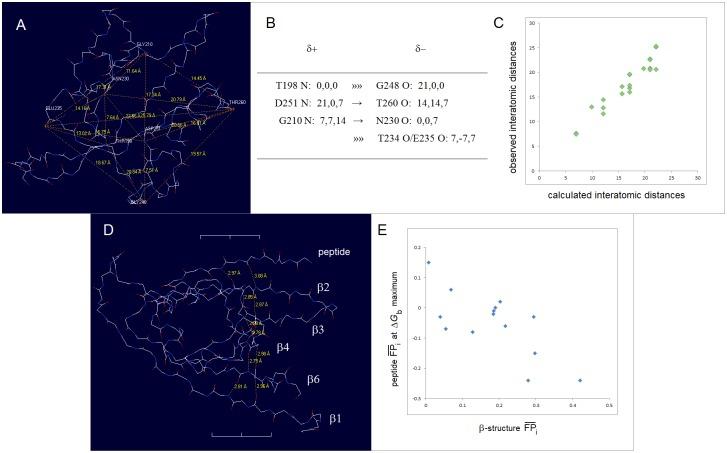
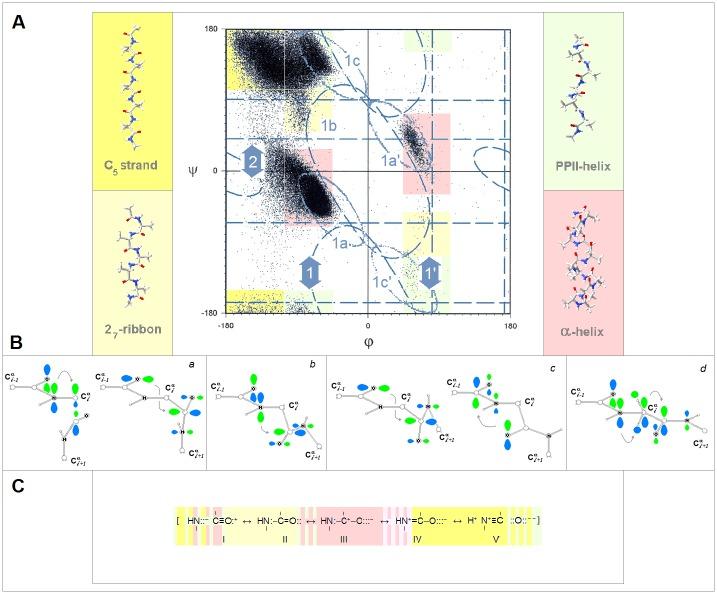
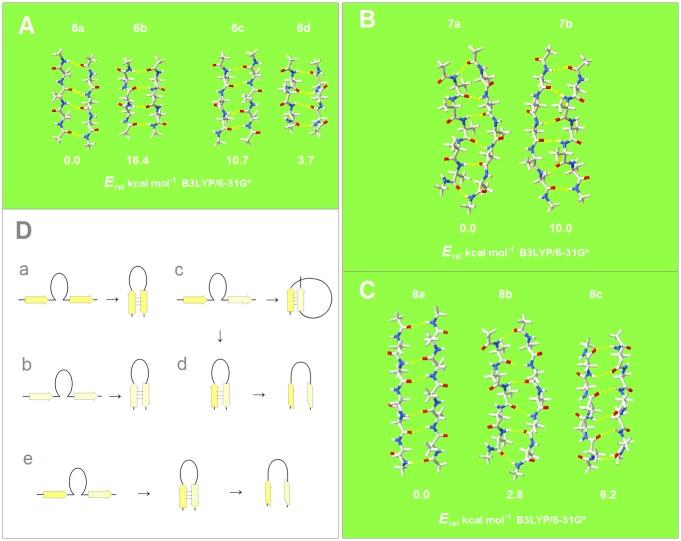
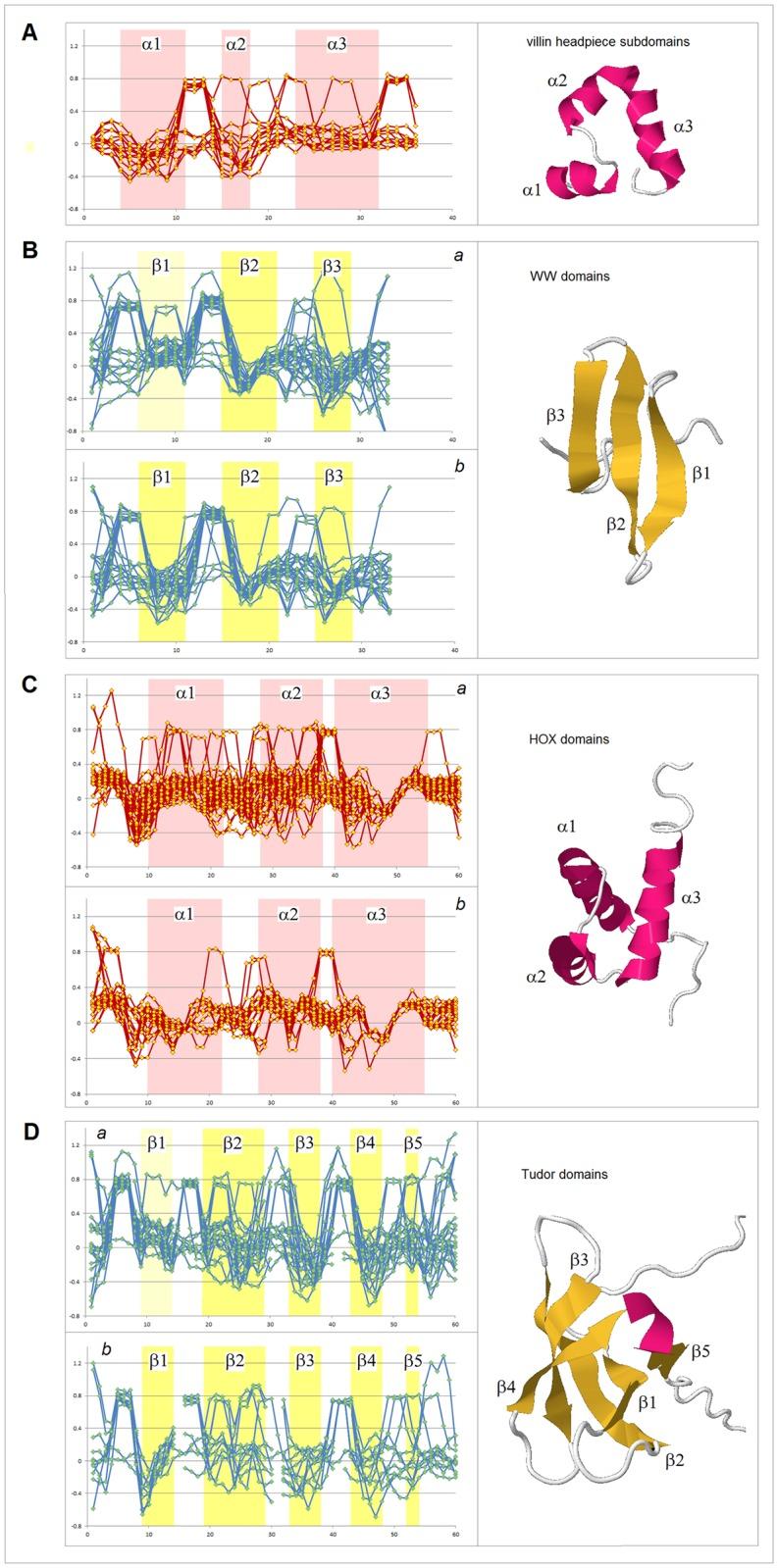
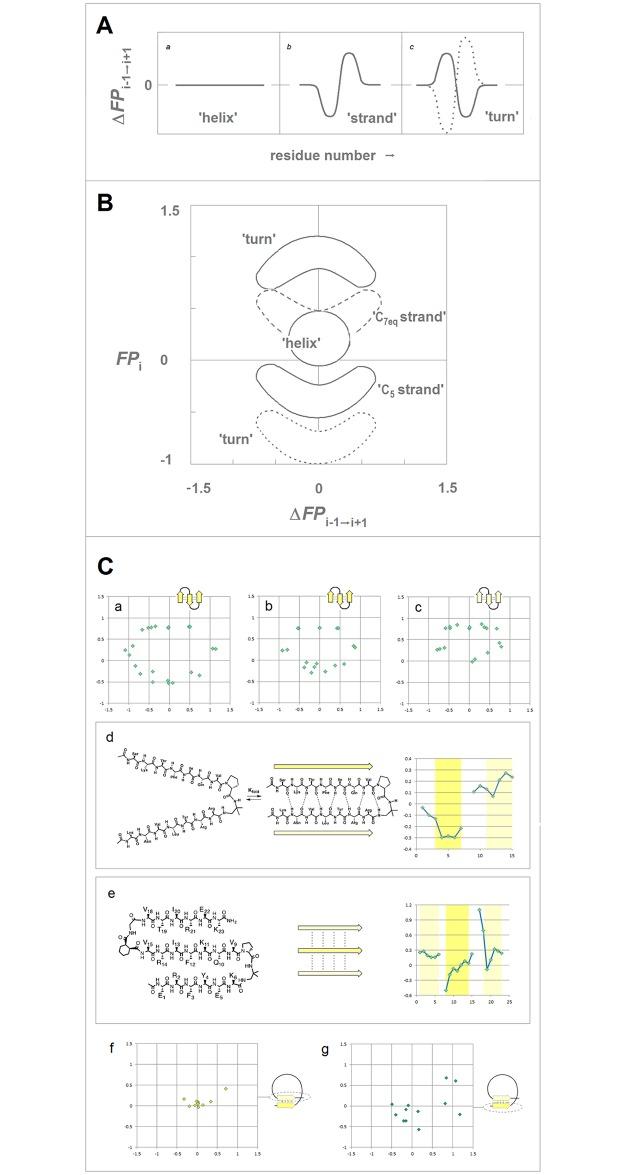
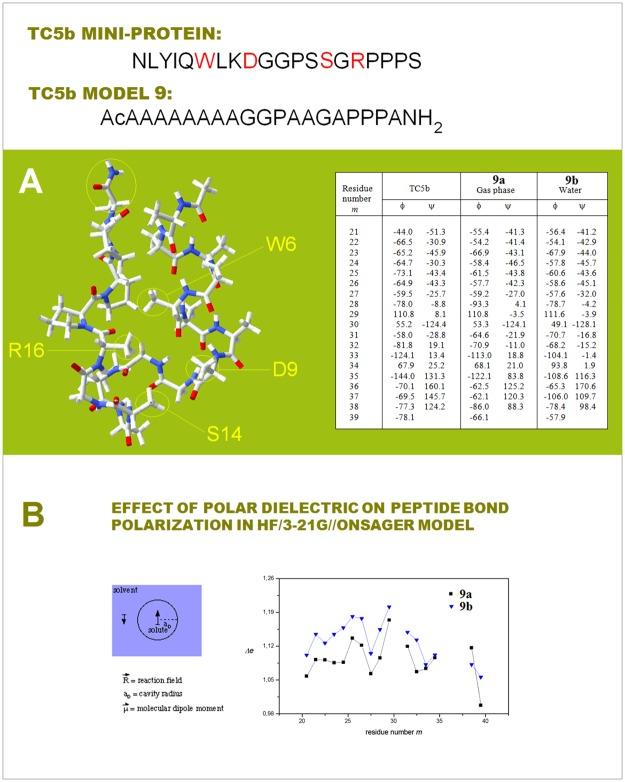
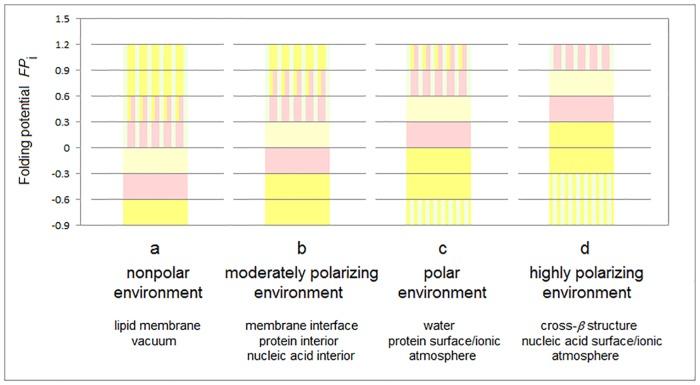
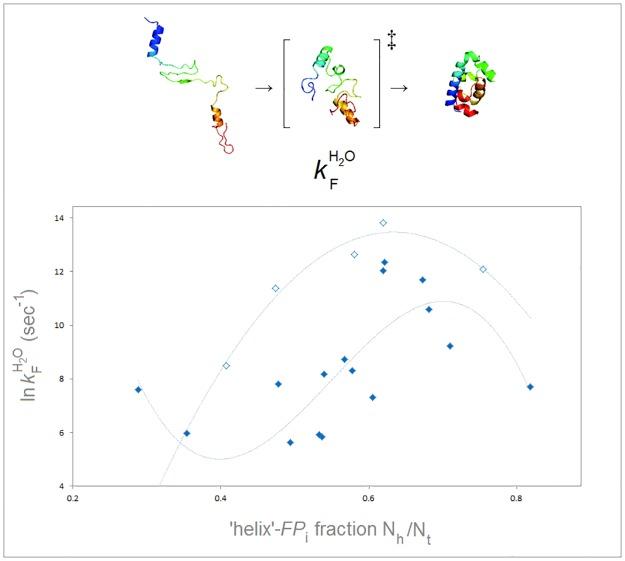
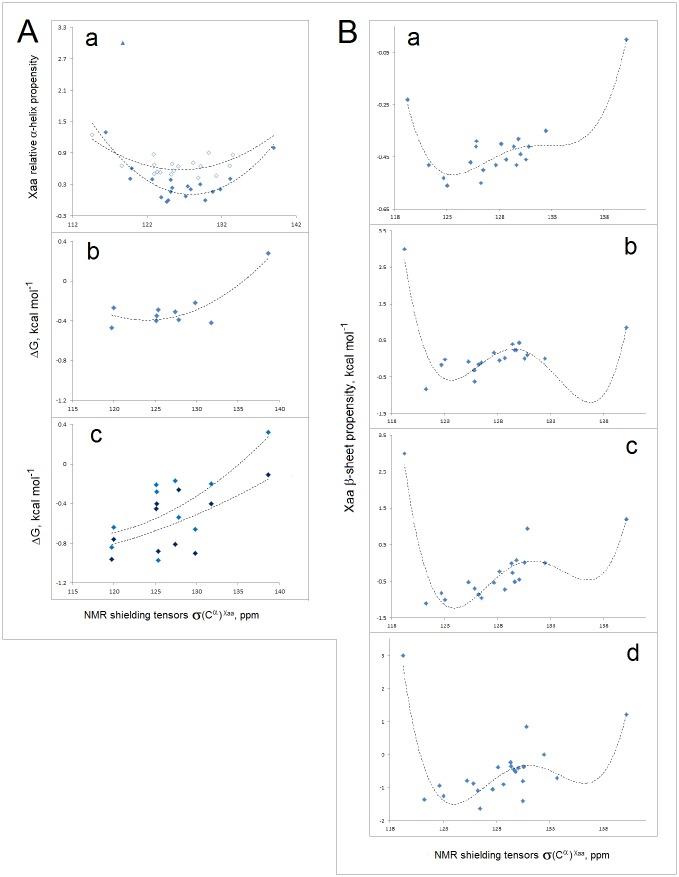
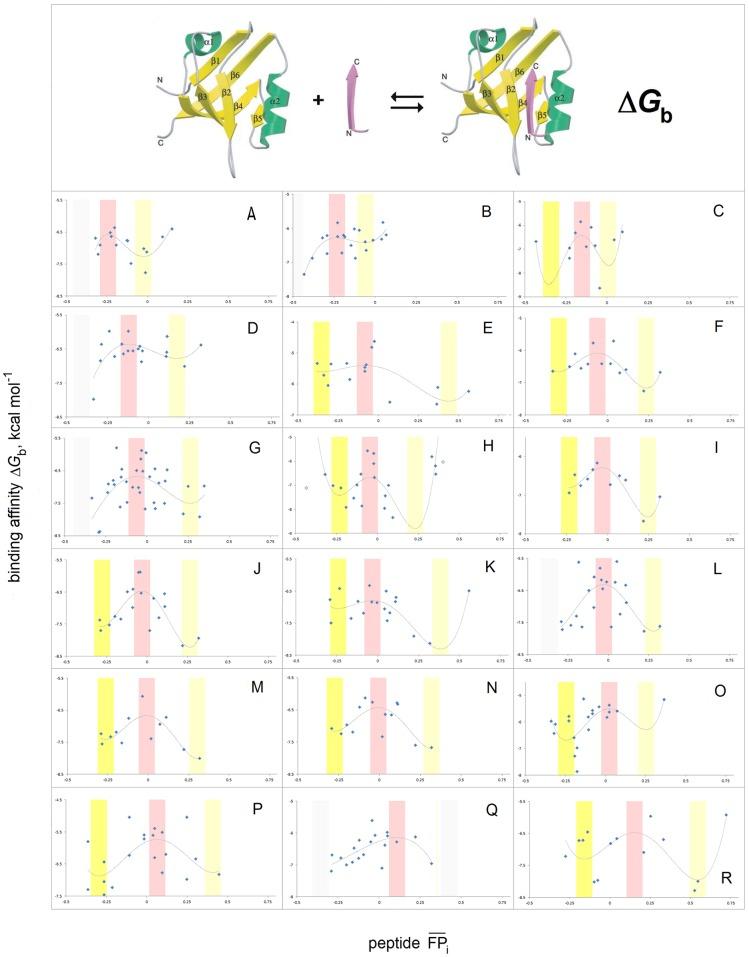
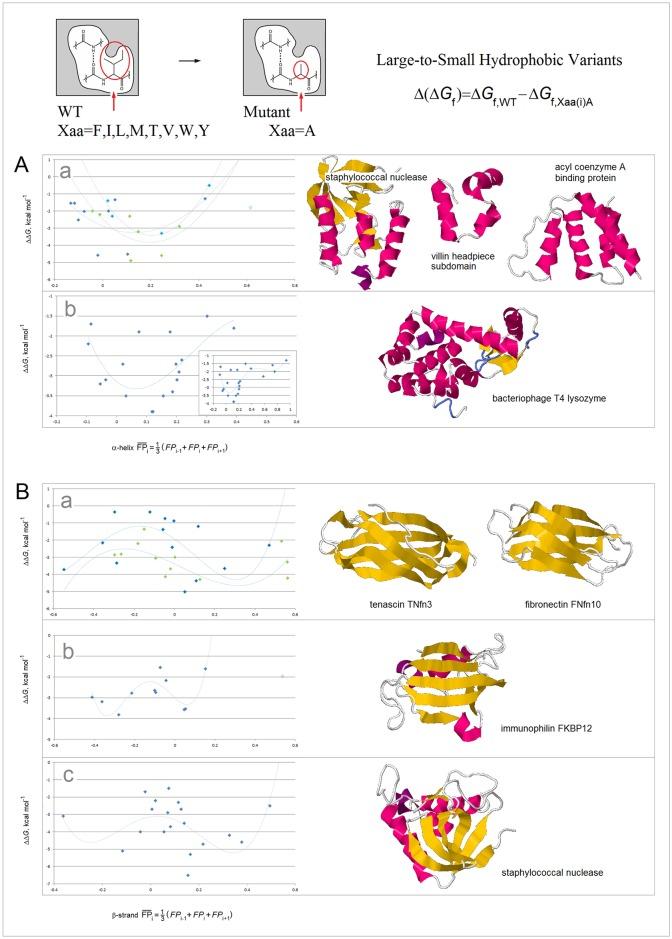
Proteins associated with neurodegenerative diseases are highly pleiomorphic and may adopt an all-α-helical fold in one environment, assemble into all-β-sheet or collapse into a coil in another, and rapidly polymerize in yet another one via divergent aggregation pathways that yield broad diversity of aggregates' morphology. A thorough understanding of this behaviour may be necessary to develop a treatment for Alzheimer's and related disorders. Unfortunately, our present comprehension of folding and misfolding is limited for want of a physicochemical theory of protein secondary and tertiary structure. Here we demonstrate that electronic configuration and hyperconjugation of the peptide amide bonds ought to be taken into account to advance such a theory. To capture the effect of polarization of peptide linkages on conformational and H-bonding propensity of the polypeptide backbone, we introduce a function of shielding tensors of the Cα atoms. Carrying no information about side chain-side chain interactions, this function nonetheless identifies basic features of the secondary and tertiary structure, establishes sequence correlates of the metamorphic and pH-driven equilibria, relates binding affinities and folding rate constants to secondary structure preferences, and manifests common patterns of backbone density distribution in amyloidogenic regions of Alzheimer's amyloid β and tau, Parkinson's α-synuclein and prions. Based on those findings, a split-intein like mechanism of molecular recognition is proposed to underlie dimerization of Aβ, tau, αS and PrPC, and divergent pathways for subsequent association of dimers are outlined; a related mechanism is proposed to underlie formation of PrPSc fibrils. The model does account for: (i) structural features of paranuclei, off-pathway oligomers, non-fibrillar aggregates and fibrils; (ii) effects of incubation conditions, point mutations, isoform lengths, small-molecule assembly modulators and chirality of solid-liquid interface on the rate and morphology of aggregation; (iii) fibril-surface catalysis of secondary nucleation; and (iv) self-propagation of infectious strains of mammalian prions.
与神经退行性疾病相关的蛋白质具有高度多形性,在一种环境中可能呈现全α螺旋折叠,在另一种环境中组装成全β折叠片层或塌陷成卷曲结构,并且在另一种环境中通过不同的聚集途径快速聚合,产生形态多样的聚集体。要开发针对阿尔茨海默病及相关疾病的治疗方法,可能需要彻底了解这种行为。不幸的是,由于缺乏蛋白质二级和三级结构的物理化学理论,我们目前对折叠和错误折叠的理解有限。在此,我们证明为了推进这样一种理论,应该考虑肽酰胺键的电子构型和超共轭作用。为了捕捉肽键极化对多肽主链构象和氢键形成倾向的影响,我们引入了Cα原子屏蔽张量的函数。尽管该函数不携带有关侧链 - 侧链相互作用的信息,但它能够识别二级和三级结构的基本特征,建立变质和pH驱动平衡的序列相关性,将结合亲和力和折叠速率常数与二级结构偏好联系起来,并揭示阿尔茨海默病淀粉样β蛋白和tau蛋白、帕金森病α - 突触核蛋白以及朊病毒的淀粉样生成区域中主链密度分布的常见模式。基于这些发现,我们提出一种类似分裂内含肽的分子识别机制作为Aβ、tau、αS和PrPC二聚化的基础,并概述了二聚体后续缔合的不同途径;还提出了一种相关机制作为PrPSc纤维形成的基础。该模型确实能够解释:(i) 副核、非聚集途径寡聚物、非纤维状聚集体和纤维的结构特征;(ii) 孵育条件、点突变、异构体长度、小分子组装调节剂以及固 - 液界面手性对聚集速率和形态的影响;(iii) 纤维表面对二次成核的催化作用;以及(iv) 哺乳动物朊病毒感染性毒株的自我传播。


 Zotero 插件