
心理化情感:一种新的情绪调节模型和评估。
Mentalized affectivity: A new model and assessment of emotion regulation.
机构信息
Department of Clinical Psychology, The Graduate Center and City College of New York, City University of New York, New York, United States of America.
Department of Psychiatry, University of Cambridge, Cambridge, United Kingdom.
出版信息
PLoS One. 2017 Oct 18;12(10):e0185264. doi: 10.1371/journal.pone.0185264. eCollection 2017.
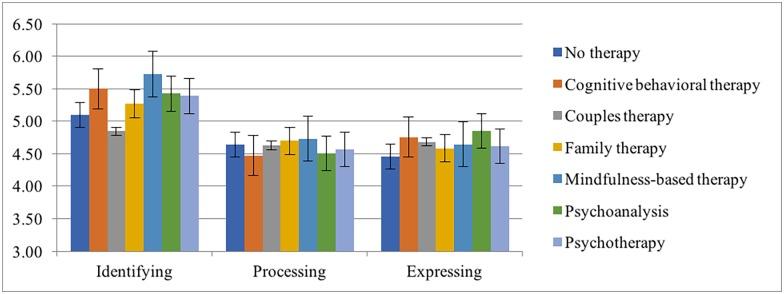
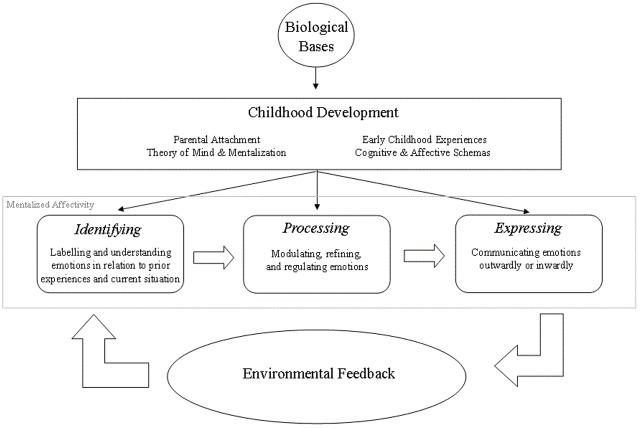
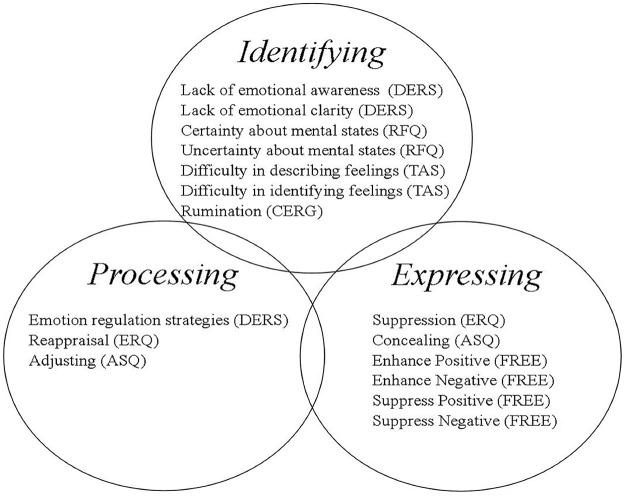
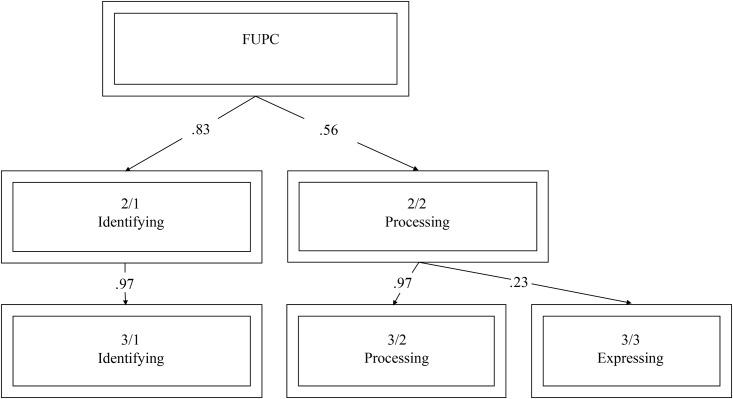
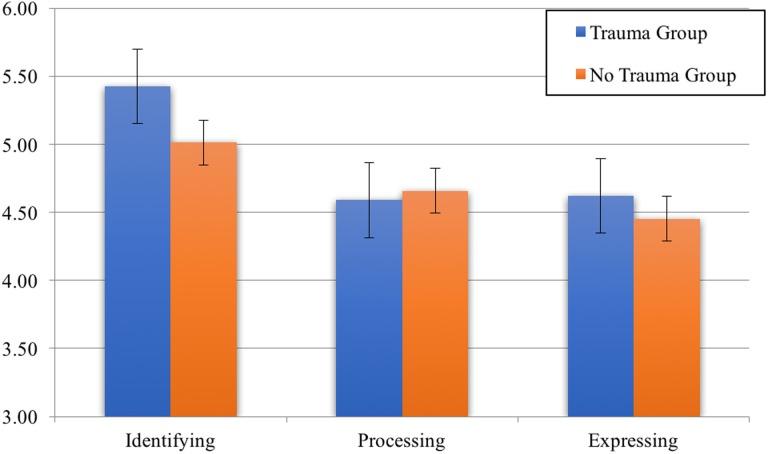
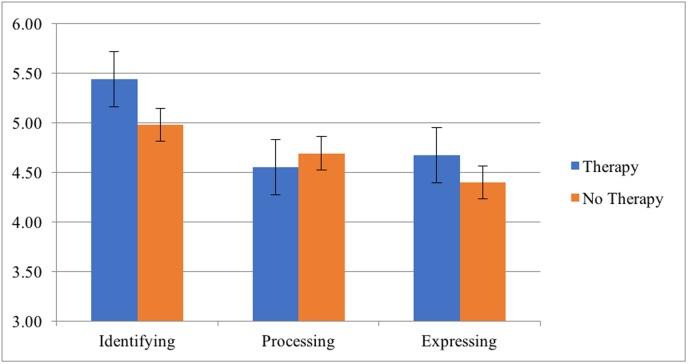
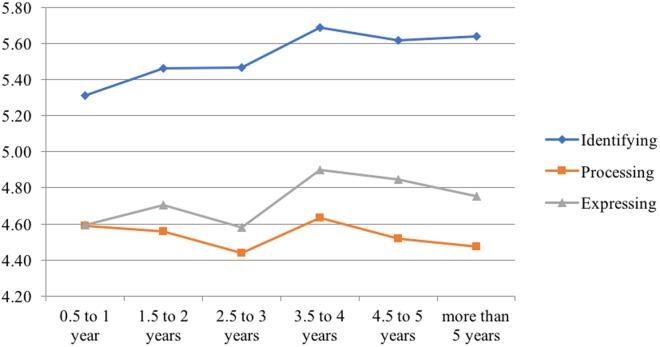
Here we introduce a new assessment of emotion regulation called the Mentalized Affectivity Scale (MAS). A large online adult sample (N = 2,840) completed the 60-item MAS along with a battery of psychological measures. Results revealed a robust three-component structure underlying mentalized affectivity, which we labeled: Identifying emotions (the ability to identify emotions and to reflect on the factors that influence them); Processing emotions (the ability to modulate and distinguish complex emotions); and Expressing emotions (the tendency to express emotions outwardly or inwardly). Hierarchical modeling suggested that Processing emotions delineates from Identifying them, and Expressing emotions delineates from Processing them. We then showed how these components are associated with personality traits, well-being, trauma, and 18 different psychological disorders (including mood, neurological, and personality disorders). Notably, those with anxiety, mood, and personality disorders showed a profile of high Identifying and low Processing compared to controls. Further, results showed how mentalized affectivity scores varied across psychological treatment modalities and years spent in therapy. Taken together, the model of mentalized affectivity advances prior theory and research on emotion regulation and the MAS is a useful and reliable instrument that can be used in both clinical and non-clinical settings in psychology, psychiatry, and neuroscience.
我们在这里介绍一种新的情绪调节评估方法,称为心理化情感量表(MAS)。一个大型的在线成人样本(N=2840)完成了 60 项 MAS 以及一系列心理测量。结果显示,心理化情感有一个强大的三因素结构,我们将其标记为:识别情绪(识别情绪和反思影响情绪的因素的能力);处理情绪(调节和区分复杂情绪的能力);表达情绪(向外或向内表达情绪的倾向)。层次模型表明,处理情绪从识别情绪中分离出来,表达情绪从处理情绪中分离出来。然后,我们展示了这些成分如何与人格特质、幸福感、创伤以及 18 种不同的心理障碍(包括情绪、神经和人格障碍)相关。值得注意的是,与对照组相比,患有焦虑、情绪和人格障碍的人表现出高识别和低处理的特征。此外,结果还显示了心理化情感得分如何在不同的心理治疗方式和治疗年限中变化。总之,心理化情感模型推进了情绪调节的先前理论和研究,MAS 是一种有用且可靠的工具,可在心理学、精神病学和神经科学的临床和非临床环境中使用。

 Zotero 插件