
NLRP3 炎性小体激活介导的细胞焦亡加重糖尿病大鼠心肌缺血/再灌注损伤。
NLRP3 Inflammasome Activation-Mediated Pyroptosis Aggravates Myocardial Ischemia/Reperfusion Injury in Diabetic Rats.
机构信息
Department of Anesthesiology, Renmin Hospital of Wuhan University, Wuhan, Hubei 430060, China.
出版信息
Oxid Med Cell Longev. 2017;2017:9743280. doi: 10.1155/2017/9743280. Epub 2017 Sep 14.
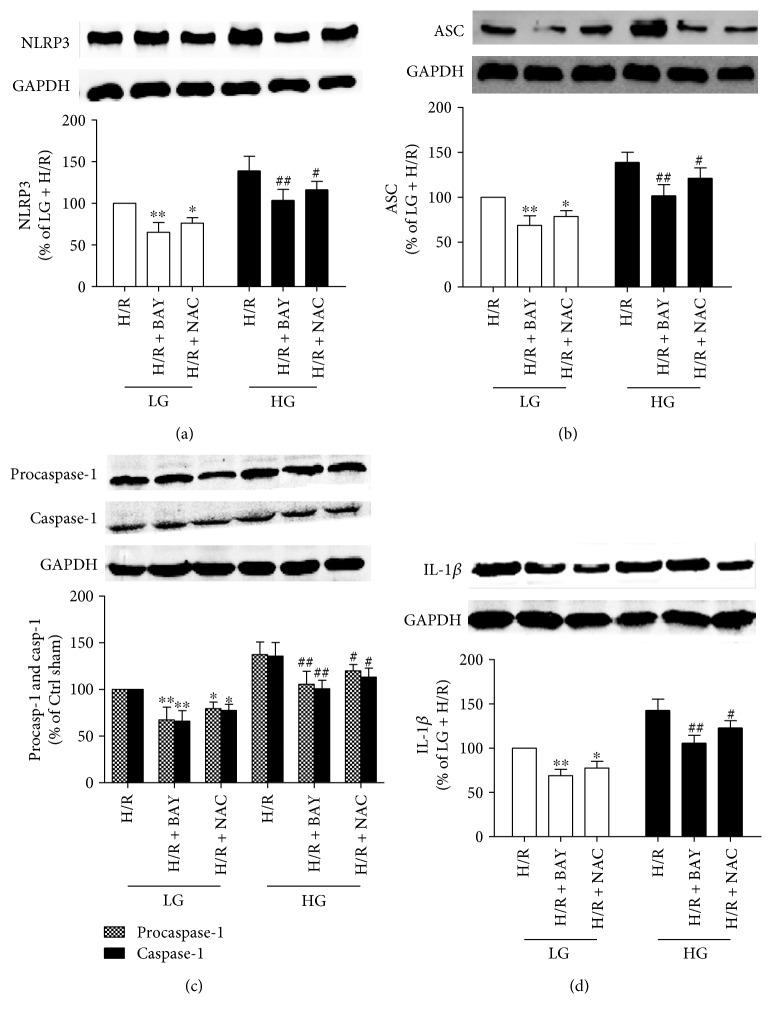
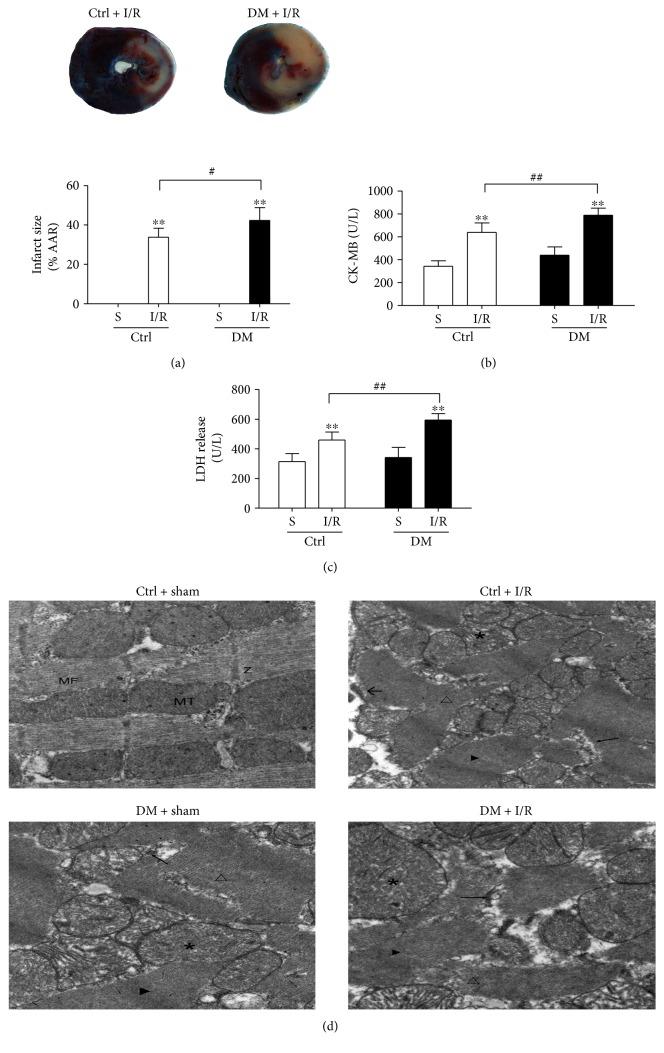
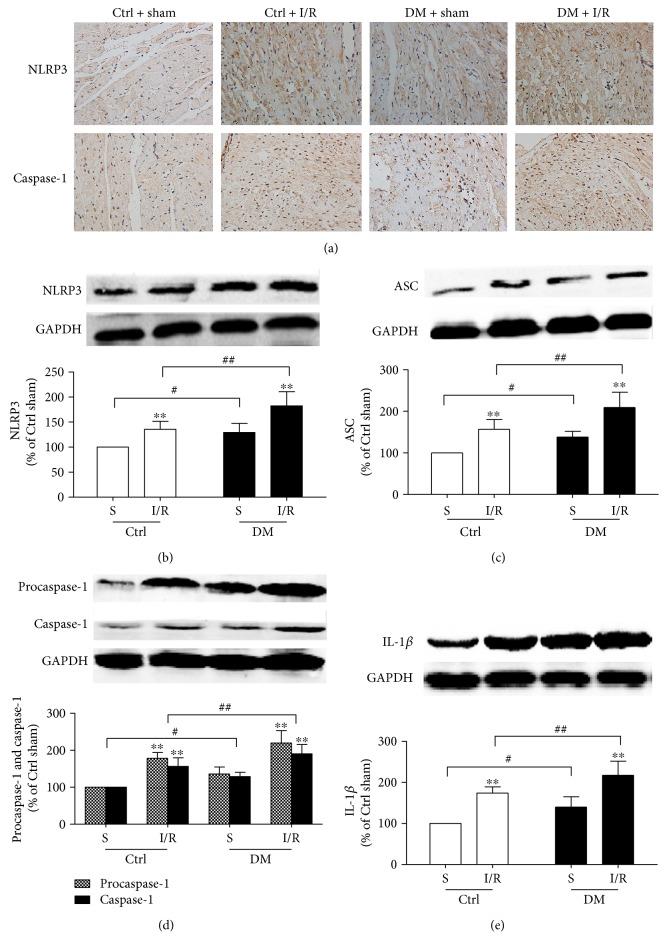
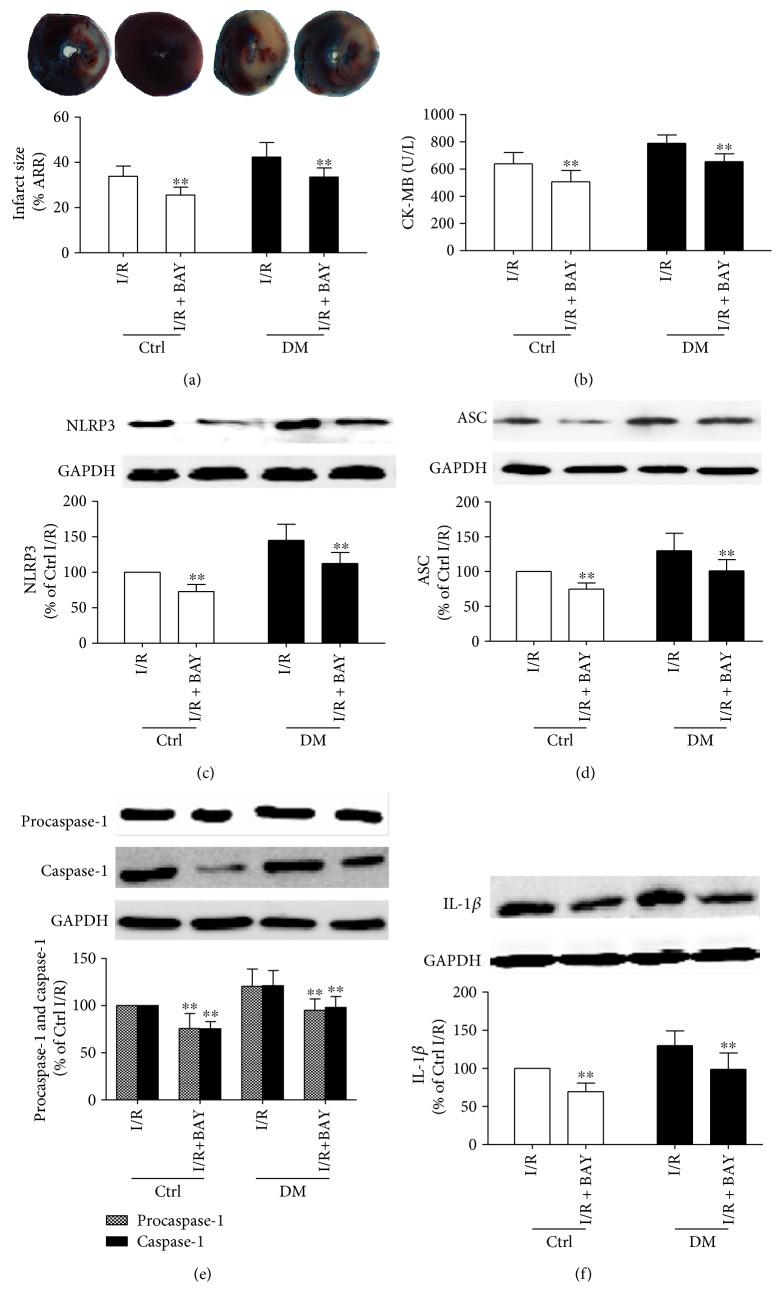
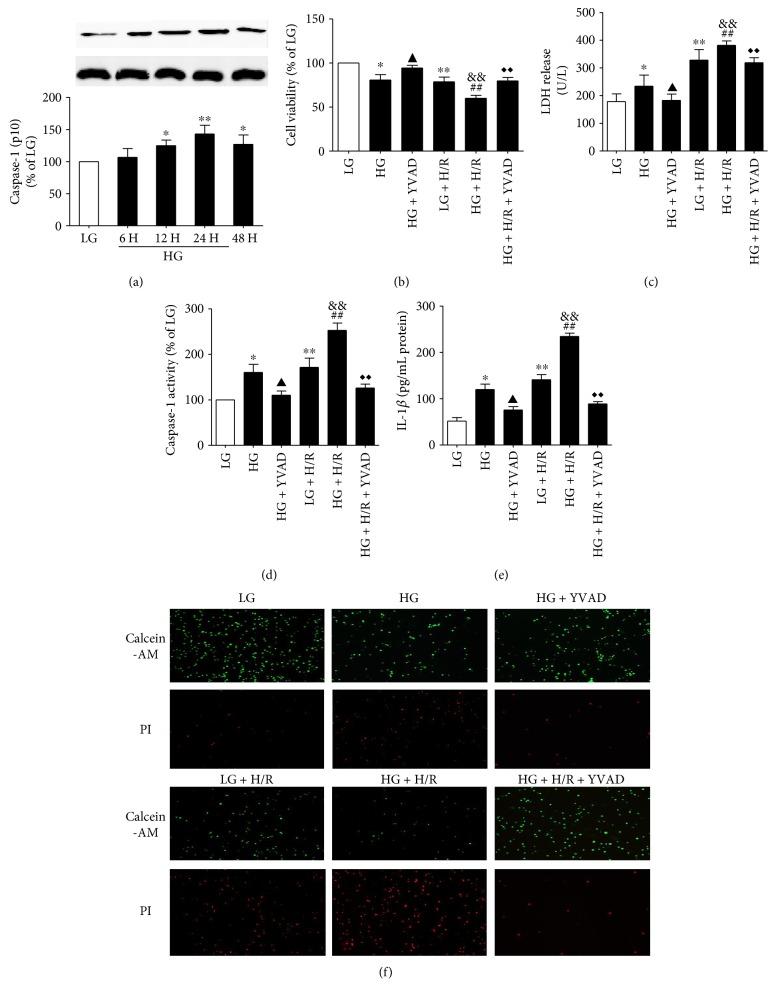
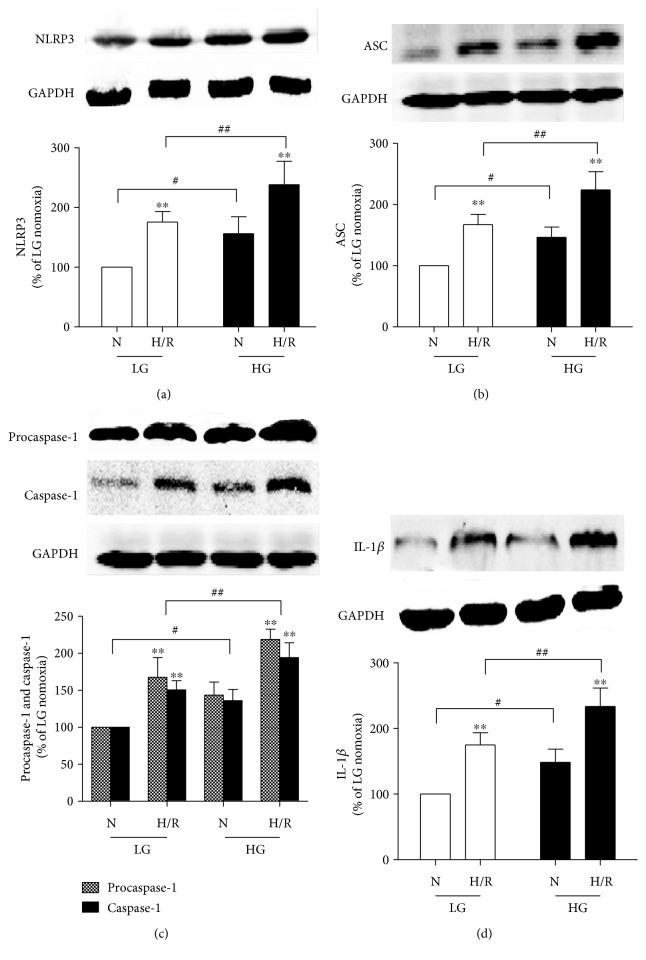
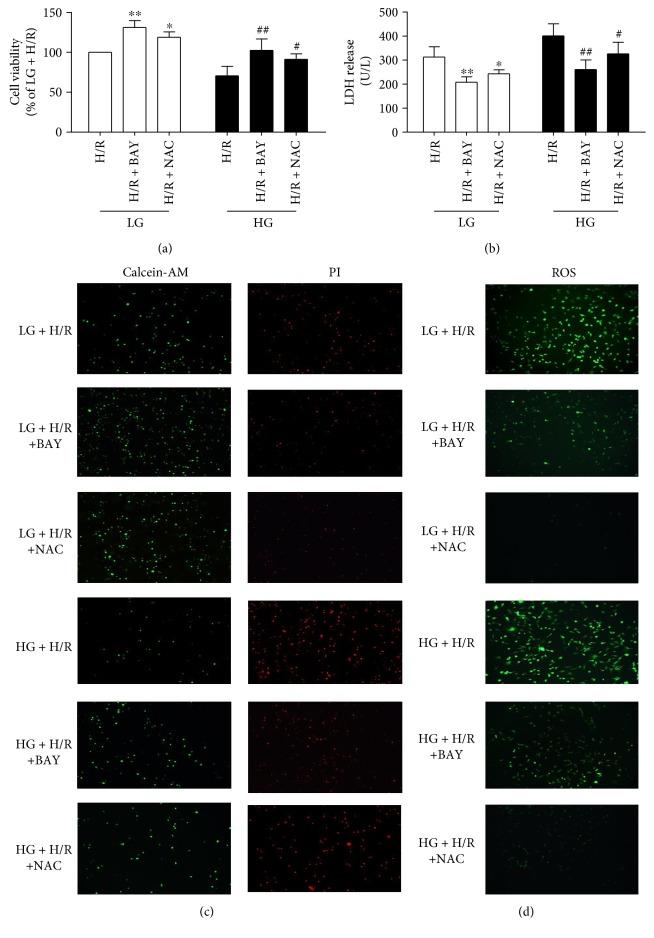
The reactive oxygen species- (ROS-) induced nod-like receptor protein-3 (NLRP3) inflammasome triggers sterile inflammatory responses and pyroptosis, which is a proinflammatory form of programmed cell death initiated by the activation of inflammatory caspases. NLRP3 inflammasome activation plays an important role in myocardial ischemia/reperfusion (MI/R) injury. Our present study investigated whether diabetes aggravated MI/R injury through NLRP3 inflammasome-mediated pyroptosis. Type 1 diabetic rat model was established by intraperitoneal injection of streptozotocin (60 mg/kg). MI/R was induced by ligating the left anterior descending artery (LAD) for 30 minutes followed by 2 h reperfusion. H9C2 cardiomyocytes were exposed to high glucose (HG, 30 mM) conditions and hypoxia/reoxygenation (H/R) stimulation. The myocardial infarct size, CK-MB, and LDH release in the diabetic rats subjected to MI/R were significantly higher than those in the nondiabetic rats, accompanied with increased NLRP3 inflammasome activation and increased pyroptosis. Inhibition of inflammasome activation with BAY11-7082 significantly decreased the MI/R injury. studies showed similar effects, as BAY11-7082 or the ROS scavenger N-acetylcysteine, attenuated HG and H/R-induced H9C2 cell injury. In conclusion, hyperglycaemia-induced NLRP3 inflammasome activation may be a ROS-dependent process in pyroptotic cell death, and NLRP3 inflammasome-induced pyroptosis aggravates MI/R injury in diabetic rats.
活性氧物质 (ROS) 诱导的核苷酸结合寡聚结构域样受体蛋白 3 (NLRP3) 炎性小体触发无菌性炎症反应和细胞焦亡,这是一种由炎症半胱天冬酶激活引发的促炎形式的程序性细胞死亡。NLRP3 炎性小体的激活在心肌缺血/再灌注 (MI/R) 损伤中起着重要作用。本研究探讨了糖尿病是否通过 NLRP3 炎性小体介导的细胞焦亡加重 MI/R 损伤。通过腹腔注射链脲佐菌素 (60mg/kg) 建立 1 型糖尿病大鼠模型。结扎左前降支 (LAD) 30 分钟后再灌注 2 小时诱导 MI/R。将 H9C2 心肌细胞暴露于高糖 (HG,30mM) 条件下和缺氧/复氧 (H/R) 刺激下。与非糖尿病大鼠相比,糖尿病大鼠 MI/R 后心肌梗死面积、CK-MB 和 LDH 释放明显增加,同时 NLRP3 炎性小体激活和细胞焦亡增加。用 BAY11-7082 抑制炎性小体激活可显著减轻 MI/R 损伤。类似的研究也表明,BAY11-7082 或 ROS 清除剂 N-乙酰半胱氨酸可减轻 HG 和 H/R 诱导的 H9C2 细胞损伤。总之,高血糖诱导的 NLRP3 炎性小体激活可能是细胞焦亡中 ROS 依赖性过程,NLRP3 炎性小体诱导的细胞焦亡加重了糖尿病大鼠的 MI/R 损伤。
 Zotero 插件