
遗传学关于IgA肾病发病机制告诉了我们什么:免疫因素和感染的作用
What Genetics Tells Us About the Pathogenesis of IgA Nephropathy: The Role of Immune Factors and Infection.
作者信息
Zhang Yue-Miao, Zhou Xu-Jie, Zhang Hong
机构信息
Renal Division, Peking University First Hospital, Beijing, China.
Peking University Institute of Nephrology, Beijing, China.
出版信息
Kidney Int Rep. 2017 Feb 14;2(3):318-331. doi: 10.1016/j.ekir.2017.02.005. eCollection 2017 May.
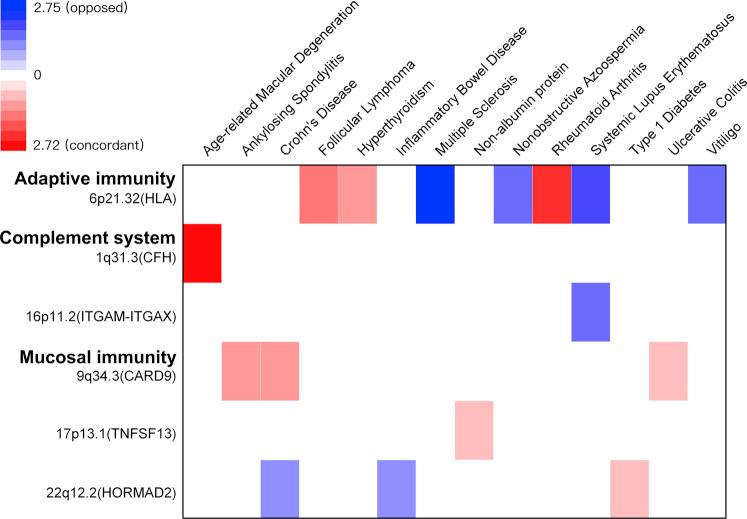
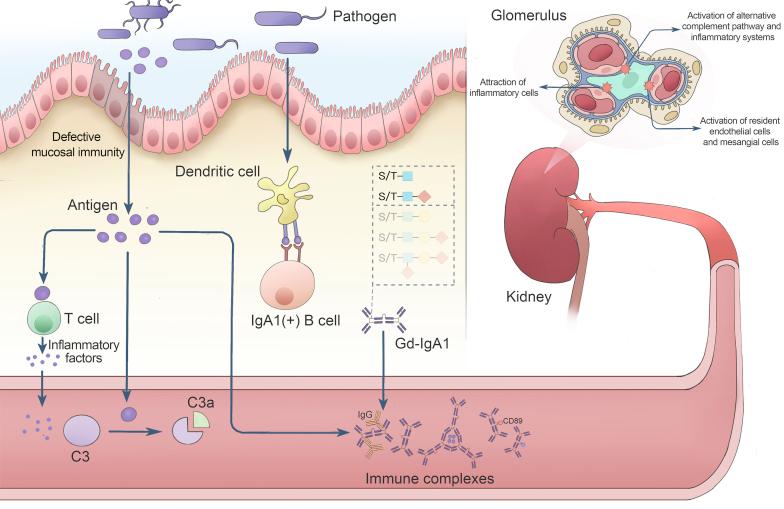
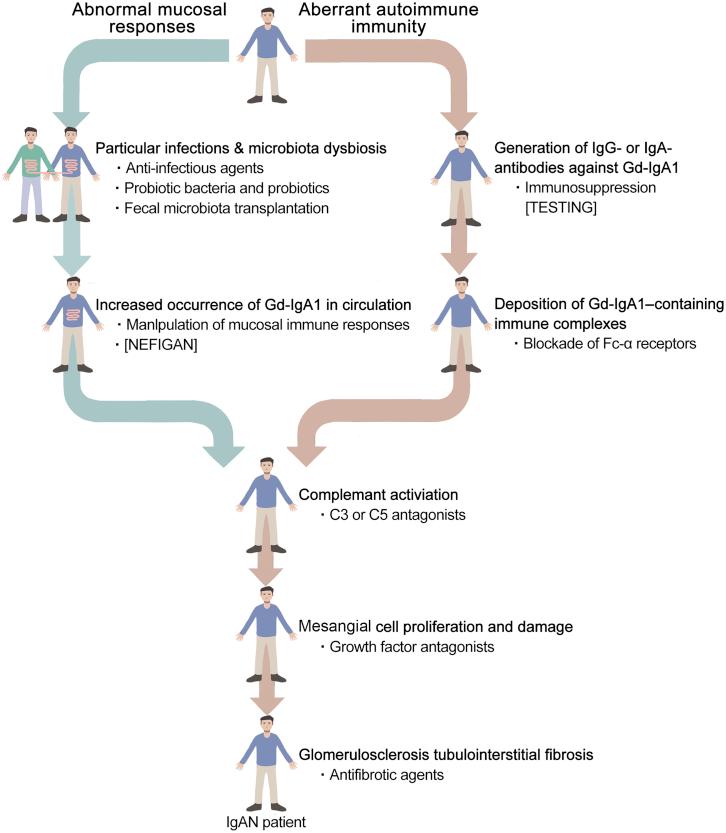
Immunoglobulin A nephropathy (IgAN) is the most common type of primary glomerulonephritis, which is characterized by IgA1-containing immune-deposits in the glomerular mesangium. The epidemiologic observations of familial clustering as well as ethnic and regional discrepancies indicate a genetic component to IgAN. Large, international, genome-wide association studies have identified several susceptibility genes and loci for IgAN, many of which have been implicated in immune regulation and are shared with other autoimmune diseases. Notably, increasing numbers of genes involved in mucosal immunity have been detected; such genes may impact the susceptibility and progression of IgAN through interaction with environmental stimuli (especially infection). Here, we discuss the innate and adaptive immune mechanisms that drive protective immunity against pathogens. Our goal is to provide a representative overview of the synergistic roles between genetic predisposition and infection in IgAN pathogenesis. We anticipate that these results will provide potential therapeutic agents and advances in precision medicine.
免疫球蛋白A肾病(IgAN)是原发性肾小球肾炎最常见的类型,其特征是肾小球系膜中有含IgA1的免疫沉积物。家族聚集以及种族和地区差异的流行病学观察表明IgAN存在遗传因素。大型国际全基因组关联研究已经确定了几个IgAN的易感基因和位点,其中许多基因与免疫调节有关,并且与其他自身免疫性疾病共有。值得注意的是,已检测到越来越多参与黏膜免疫的基因;这些基因可能通过与环境刺激(尤其是感染)相互作用来影响IgAN的易感性和进展。在这里,我们讨论驱动针对病原体的保护性免疫的先天性和适应性免疫机制。我们的目标是提供遗传易感性和感染在IgAN发病机制中的协同作用的代表性概述。我们预计这些结果将为精准医学提供潜在的治疗药物和进展。

 Zotero 插件