
人乳头瘤病毒预防性疫苗的免疫原性:血清学检测及其在 HPV 疫苗评估和开发中的应用。
Immunogenicity of HPV prophylactic vaccines: Serology assays and their use in HPV vaccine evaluation and development.
机构信息
Vaccine, Cancer and Immunity Program, Frederick National Laboratory for Cancer Research, Leidos Biomedical Research, Inc., Frederick, MD, USA.
Department of Laboratory Medicine, Karolinska Institutet, 141 86 Stockholm, Sweden.
出版信息
Vaccine. 2018 Aug 6;36(32 Pt A):4792-4799. doi: 10.1016/j.vaccine.2017.11.089. Epub 2018 Feb 1.
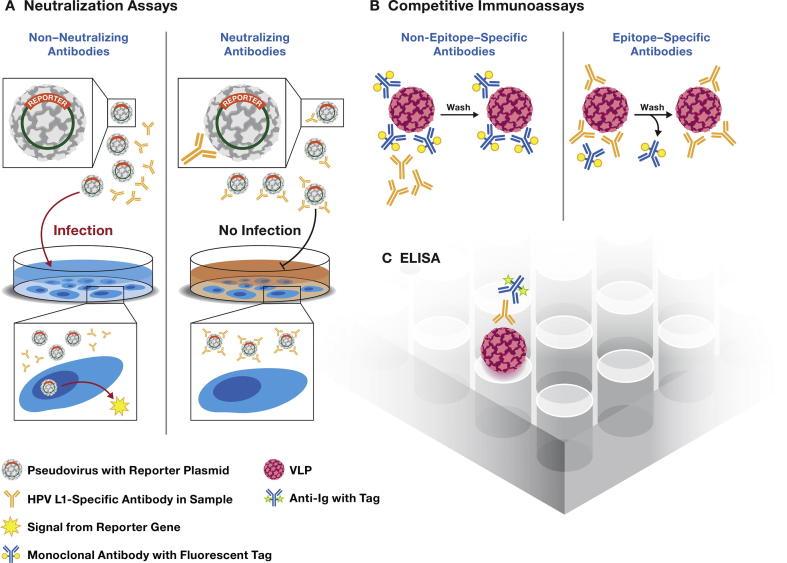
When administered as standard three-dose schedules, the licensed HPV prophylactic vaccines have demonstrated extraordinary immunogenicity and efficacy. We summarize the immunogenicity of these licensed vaccines and the most commonly used serology assays, with a focus on key considerations for one-dose vaccine schedules. Although immune correlates of protection against infection are not entirely clear, both preclinical and clinical evidence point to neutralizing antibodies as the principal mechanism of protection. Thus, immunogenicity assessments in vaccine trials have focused on measurements of antibody responses to the vaccine. Non-inferiority of antibody responses after two doses of HPV vaccines separated by 6 months has been demonstrated and this evidence supported the recent WHO recommendations for two-dose vaccination schedules in both boys and girls 9-14 years of age. There is also some evidence suggesting that one dose of HPV vaccines may provide protection similar to the currently recommended two-dose regimens but robust data on efficacy and immunogenicity of one-dose vaccine schedules are lacking. In addition, immunogenicity has been assessed and reported using different methods, precluding direct comparison of results between different studies and vaccines. New head-to-head vaccine trials evaluating one-dose immunogenicity and efficacy have been initiated and an increase in the number of trials relying on immunobridging is anticipated. Therefore, standardized measurement and reporting of immunogenicity for the up to nine HPV types targeted by the current vaccines is now critical. Building on previous HPV serology assay standardization and harmonization efforts initiated by the WHO HPV LabNet in 2006, new secondary standards, critical reference reagents and testing guidelines will be generated as part of a new partnership to facilitate harmonization of the immunogenicity testing in new HPV vaccine trials.
当按照标准的三剂方案给药时,已许可的 HPV 预防性疫苗已显示出非凡的免疫原性和功效。我们总结了这些已许可疫苗的免疫原性和最常用的血清学检测方法,重点介绍了一剂疫苗方案的关键注意事项。尽管针对感染的保护免疫相关因素尚不完全清楚,但临床前和临床证据均表明中和抗体是主要的保护机制。因此,疫苗试验中的免疫原性评估主要集中在对疫苗的抗体反应测量上。已经证明了 HPV 疫苗两剂方案(间隔 6 个月)的抗体反应具有非劣效性,并且该证据支持了最近世卫组织关于 9-14 岁男孩和女孩两剂疫苗接种方案的建议。也有一些证据表明,一剂 HPV 疫苗可能提供类似于目前推荐的两剂方案的保护作用,但缺乏一剂疫苗方案的功效和免疫原性的可靠数据。此外,免疫原性已使用不同的方法进行评估和报告,从而无法在不同研究和疫苗之间直接比较结果。已经启动了新的头对头疫苗试验,以评估一剂免疫原性和功效,并且预计将有更多的试验依赖免疫桥接。因此,目前针对当前疫苗靶向的多达 9 种 HPV 类型的免疫原性的标准化测量和报告现在至关重要。在世卫组织 HPV 实验室网络于 2006 年启动的 HPV 血清学检测标准化和协调工作的基础上,将生成新的二级标准、关键参考试剂和检测指南,作为促进新 HPV 疫苗试验中免疫原性检测协调的新伙伴关系的一部分。
 Zotero 插件