
肠道微生物群和氧化应激在非酒精性脂肪性肝病向肝癌进展中的作用:当前和创新的治疗方法。
Role of gut microbiota and oxidative stress in the progression of non-alcoholic fatty liver disease to hepatocarcinoma: Current and innovative therapeutic approaches.
机构信息
Molecular Biology and Viral Oncology Unit, Istituto Nazionale Tumori IRCCS "Fondazione G Pascale", 80131 Napoli, Italy.
Molecular Biology and Viral Oncology Unit, Istituto Nazionale Tumori IRCCS "Fondazione G Pascale", 80131 Napoli, Italy.
出版信息
Redox Biol. 2018 May;15:467-479. doi: 10.1016/j.redox.2018.01.009. Epub 2018 Feb 3.
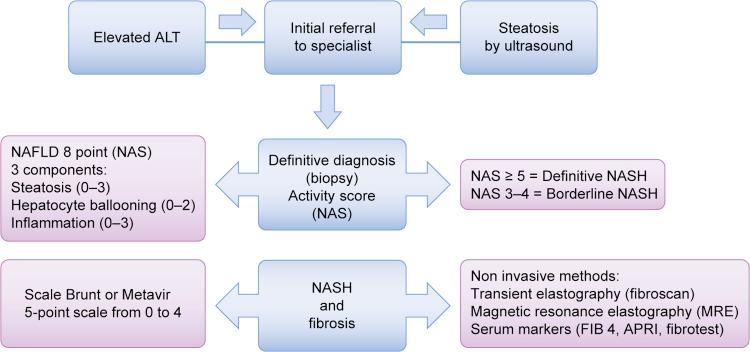
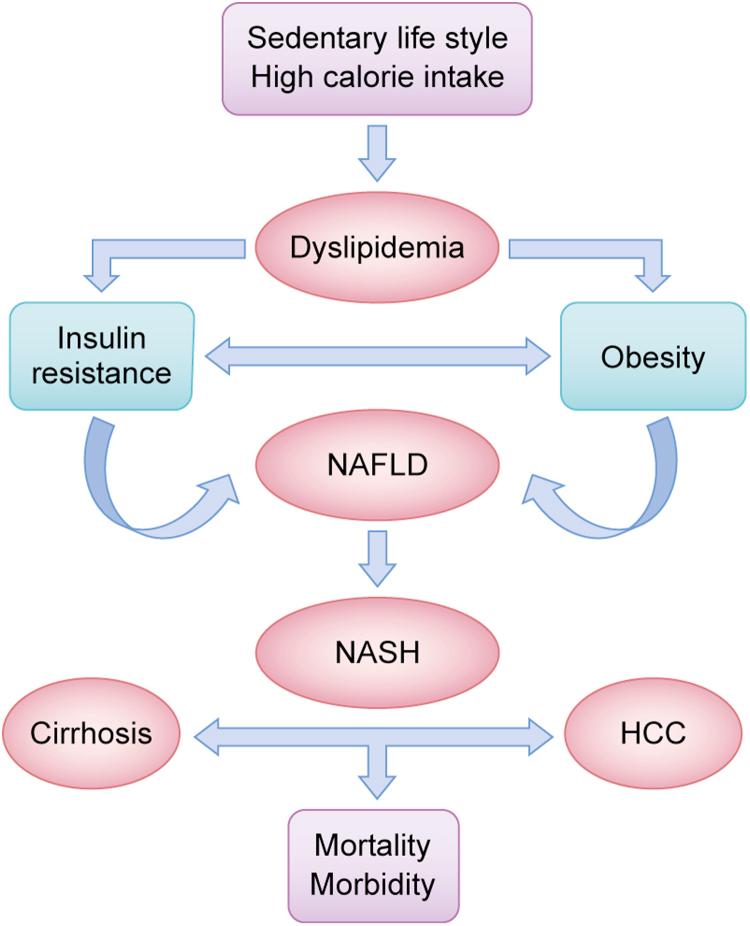
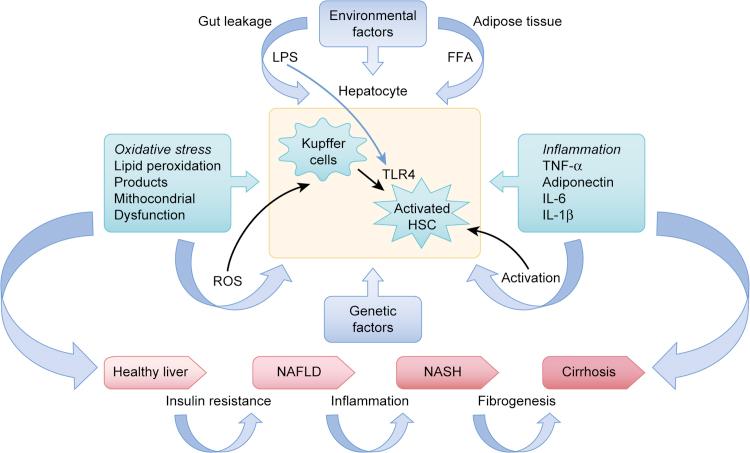
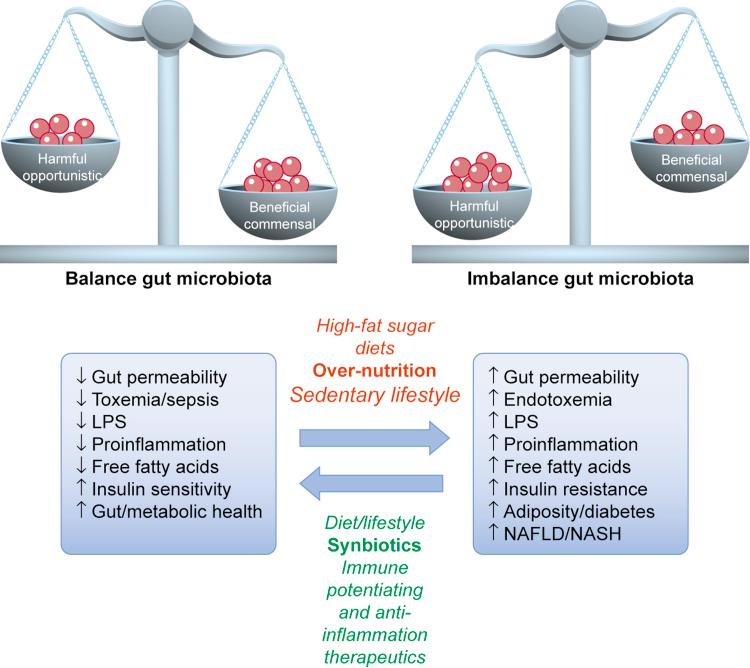
Non-alcoholic fatty liver disease (NAFLD) represents the most common chronic liver disease in industrialized countries. NAFLD progresses through the inflammatory phase of non-alcoholic steatohepatitis (NASH) to fibrosis and cirrhosis, with some cases developing liver failure or hepatocellular carcinoma (HCC). Liver biopsy remains the gold standard approach to a definitive diagnosis of NAFLD and the distinction between simple steatosis and NASH. The pathogenesis of NASH is still not clear. Several theories have been proposed ranging from the "Two Hit Theory" to the "Multiple Hit Theory". However, the general consensus is that the gut microbiota, oxidative stress, and mitochondrial damage play key roles in the pathogenesis of NASH. The interaction between the gut epithelia and some commensal bacteria induces the rapid generation of reactive oxygen species (ROS). The main goal of any therapy addressing NASH is to reverse or prevent progression to liver fibrosis/cirrhosis. This problem represents the first "Achilles' heel" of the new molecules being evaluated in most ongoing clinical trials. The second is the inability of these molecules to reach the mitochondria, the primary sites of energy production and ROS generation. Recently, a variety of non-pharmacological and pharmacological treatment approaches for NASH have been evaluated including vitamin E, the thiazolidinediones, and novel molecules related to NASH pathogenesis (including obeticholic acid and elafibranor). Recently, a new isoform of human manganese superoxide dismutase (MnSOD) was isolated and obtained in a synthetic recombinant form designated rMnSOD. This protein has been shown to be a powerful antioxidant capable of mediating ROS dismutation, penetrating biological barriers via its uncleaved leader peptide, and reducing portal hypertension and fibrosis in rats affected by liver cirrhosis. Based on these distinctive characteristics, it can be hypothesized that this novel recombinant protein (rMnSOD) potentially represents a new and highly efficient adjuvant therapy to counteract the progression from NASH to HCC.
非酒精性脂肪性肝病(NAFLD)是工业化国家最常见的慢性肝病。NAFLD 通过非酒精性脂肪性肝炎(NASH)的炎症阶段进展为纤维化和肝硬化,有些病例会发展为肝衰竭或肝细胞癌(HCC)。肝活检仍然是NAFLD 明确诊断和区分单纯性脂肪变性和 NASH 的金标准方法。NASH 的发病机制尚不清楚。已经提出了几种理论,从“双打击理论”到“多打击理论”。然而,人们普遍认为,肠道微生物群、氧化应激和线粒体损伤在 NASH 的发病机制中起关键作用。肠道上皮细胞与一些共生细菌的相互作用诱导活性氧(ROS)的快速产生。任何针对 NASH 的治疗的主要目标都是逆转或预防向肝纤维化/肝硬化的进展。这个问题代表了正在进行的大多数临床试验中评估的新分子的第一个“阿喀琉斯之踵”。第二个问题是这些分子无法到达线粒体,线粒体是能量产生和 ROS 产生的主要部位。最近,已经评估了多种针对 NASH 的非药物和药物治疗方法,包括维生素 E、噻唑烷二酮类和与 NASH 发病机制相关的新型分子(包括奥贝胆酸和 Elafibranor)。最近,一种新型人锰超氧化物歧化酶(MnSOD)同工型被分离出来,并以一种名为 rMnSOD 的合成重组形式获得。该蛋白已被证明是一种强大的抗氧化剂,能够介导 ROS 的歧化,通过其未切割的前导肽穿透生物屏障,并降低受肝硬化影响的大鼠的门脉高压和纤维化。基于这些独特的特性,可以假设这种新型重组蛋白(rMnSOD)可能代表一种新的、高效的辅助治疗方法,以阻止从 NASH 进展为 HCC。


 Zotero 插件