
基于分子动力学模拟的σ₁受体与阿片类配体相互作用的结构见解。
Structural Insights into σ₁ Receptor Interactions with Opioid Ligands by Molecular Dynamics Simulations.
机构信息
Faculty of Chemistry, University of Warsaw, Pasteur Str.1, 02-093 Warsaw, Poland.
National Medicines Institute, 30/34 Chełmska Str., 00-725 Warsaw, Poland.
出版信息
Molecules. 2018 Feb 18;23(2):456. doi: 10.3390/molecules23020456.
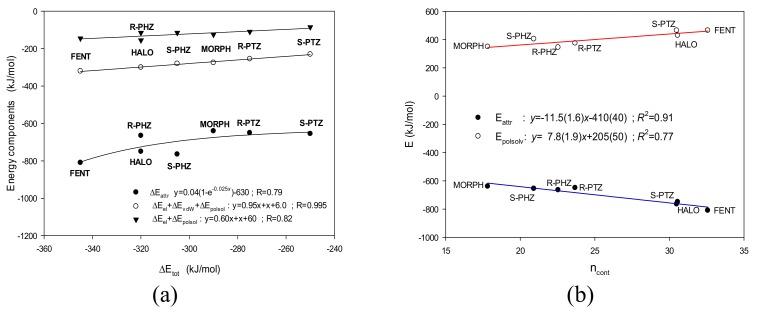
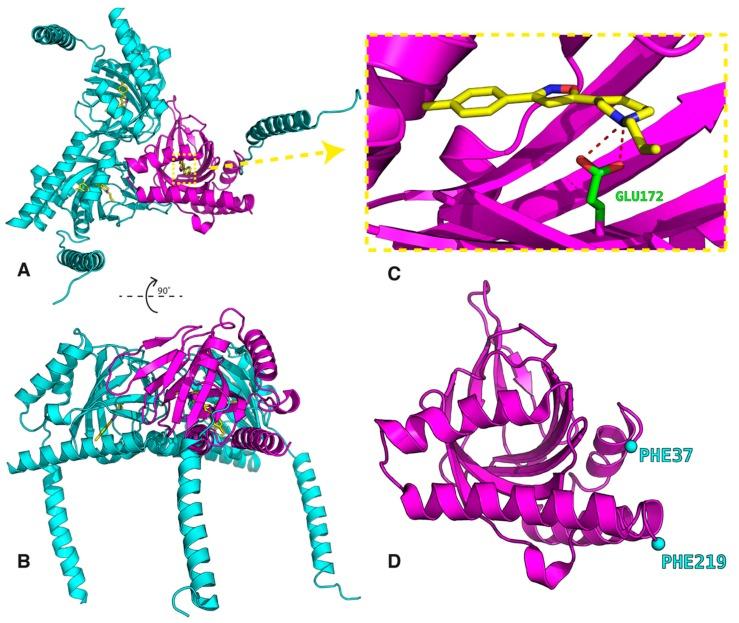
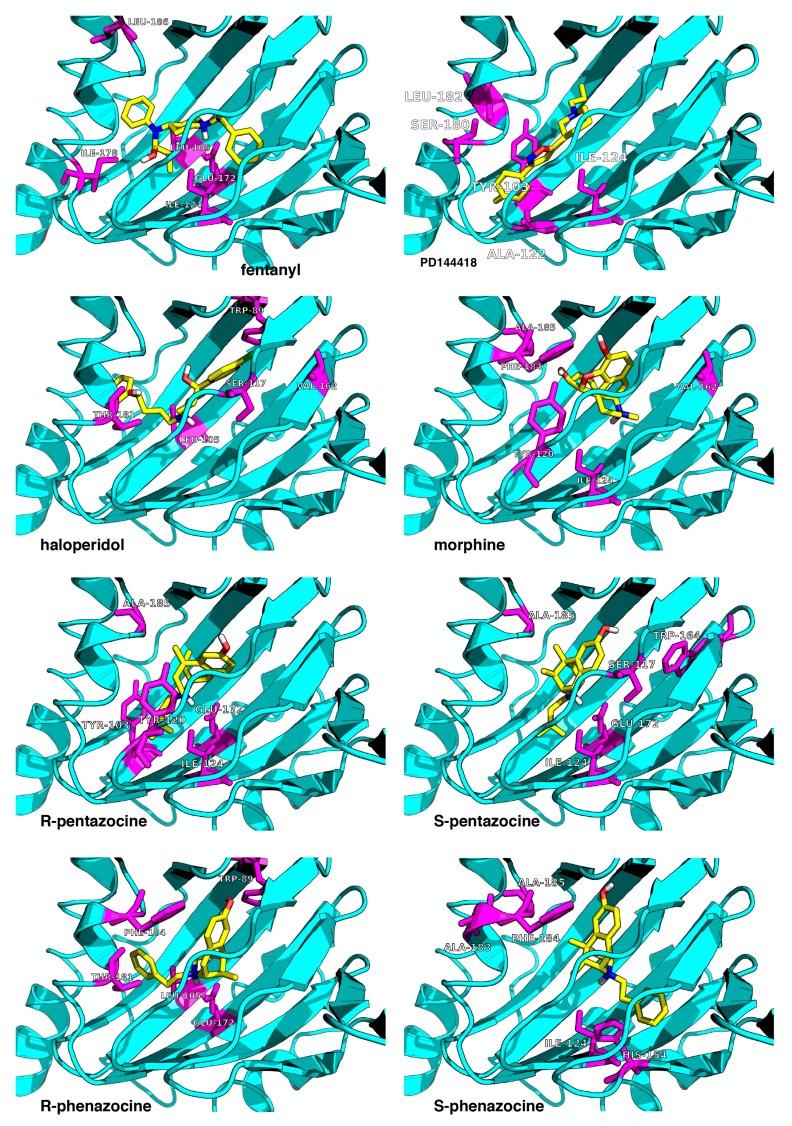
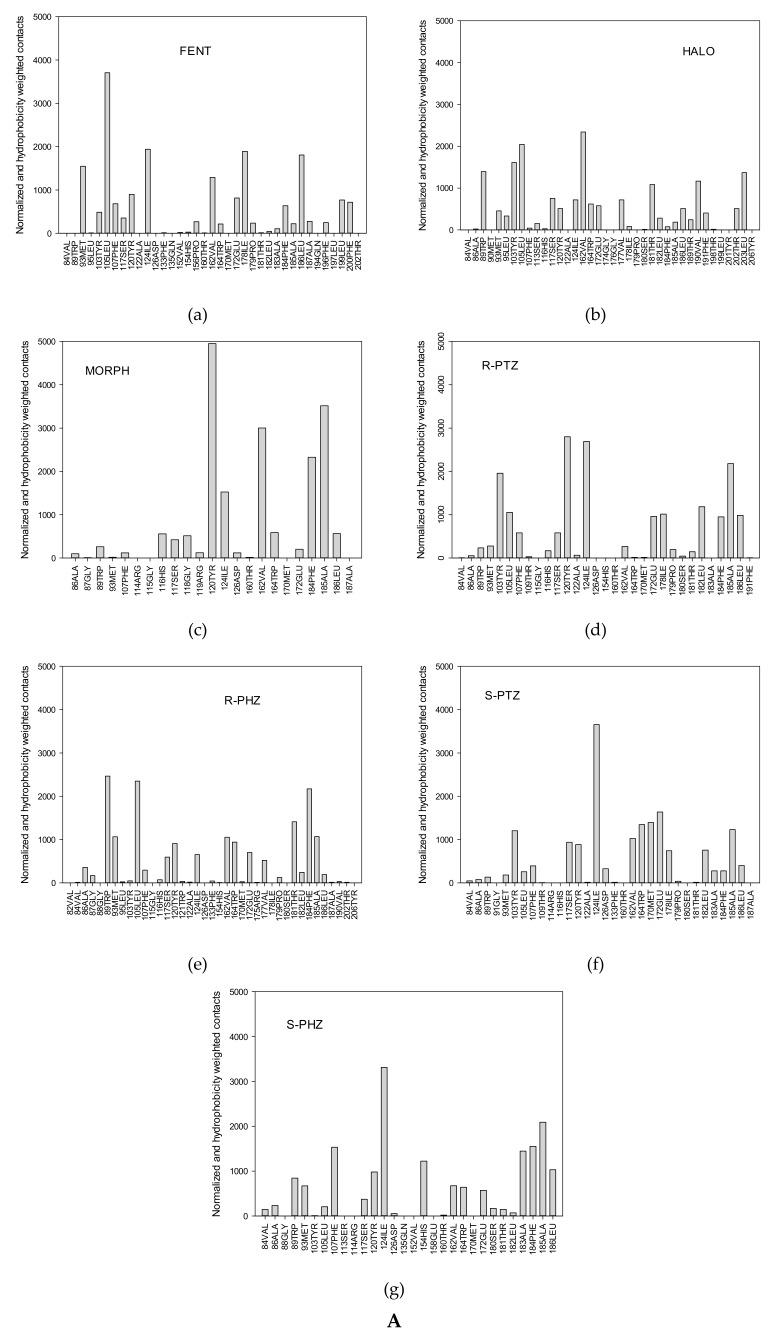
Despite considerable advances over the past years in understanding the mechanisms of action and the role of the σ₁ receptor, several questions regarding this receptor remain unanswered. This receptor has been identified as a useful target for the treatment of a diverse range of diseases, from various central nervous system disorders to cancer. The recently solved issue of the crystal structure of the σ₁ receptor has made elucidating the structure-activity relationship feasible. The interaction of seven representative opioid ligands with the crystal structure of the σ₁ receptor (PDB ID: 5HK1) was simulated for the first time using molecular dynamics (MD). Analysis of the MD trajectories has provided the receptor-ligand interaction fingerprints, combining information on the crucial receptor residues and frequency of the residue-ligand contacts. The contact frequencies and the contact maps suggest that for all studied ligands, the hydrophilic (hydrogen bonding) interactions with Glu172 are an important factor for the ligands' affinities toward the σ₁ receptor. However, the hydrophobic interactions with Tyr120, Val162, Leu105, and Ile124 also significantly contribute to the ligand-receptor interplay and, in particular, differentiate the action of the agonistic morphine from the antagonistic haloperidol.
尽管在过去几年中,人们对 σ₁ 受体的作用机制和作用有了相当大的了解,但关于该受体仍有几个问题尚未得到解答。该受体已被确定为治疗各种疾病(从各种中枢神经系统疾病到癌症)的有用靶点。最近解决的 σ₁ 受体晶体结构问题使得阐明结构-活性关系成为可能。首次使用分子动力学(MD)模拟了七种代表性阿片样物质配体与 σ₁ 受体(PDB ID:5HK1)的晶体结构的相互作用。对 MD 轨迹的分析提供了受体-配体相互作用的指纹,结合了关键受体残基的信息和残基-配体接触的频率。接触频率和接触图表明,对于所有研究的配体,与 Glu172 的亲水性(氢键)相互作用是配体对 σ₁ 受体亲和力的重要因素。然而,与 Tyr120、Val162、Leu105 和 Ile124 的疏水性相互作用也对配体-受体相互作用有显著贡献,特别是区分了激动剂吗啡和拮抗剂氟哌啶醇的作用。


 Zotero 插件