
将促黄体生成素释放激素I型受体(LH-RH-I)鉴定为OCM-1和OCM-3人葡萄膜黑色素瘤细胞系中的潜在分子靶点。
Characterization of luteinizing hormone-releasing hormone receptor type I (LH-RH-I) as a potential molecular target in OCM-1 and OCM-3 human uveal melanoma cell lines.
作者信息
Sipos Eva, Dobos Nikoletta, Rozsa David, Fodor Klara, Olah Gabor, Szabo Zsuzsanna, Szekvolgyi Lorant, Schally Andrew V, Halmos Gabor
机构信息
Department of Biopharmacy, School of Pharmacy, University of Debrecen, Debrecen, Hungary.
MTA-DE Momentum, Genome Architecture and Recombination Research Group, Debrecen, Hungary.
出版信息
Onco Targets Ther. 2018 Feb 22;11:933-941. doi: 10.2147/OTT.S148174. eCollection 2018.
INTRODUCTION
Uveal melanoma (UM) is the most common primary intraocular malignancy with very poor prognosis. Conventional chemotherapy only rarely prolongs the survival, therefore patients require novel treatment modalities. The discovery of specific receptors for hypothalamic hormones on cancer cells has led to the development of radiolabeled and cytotoxic hormone analogs.
MATERIALS AND METHODS
In the present study, our aim was to investigate the expression of mRNA for receptors of luteinizing hormone-releasing hormone type I (LH-RH-I) and LH-RH ligand in OCM-1 and OCM-3 human uveal melanoma cell lines. The presence and binding characteristics of LH-RH-I receptor protein was further studied by Western blot, immunocytochemistry and ligand competition assay. The expression of mRNA and protein for LH-RH-I receptors has been also studied using tumor samples originating from nude mice xenografted with OCM-1 or OCM-3 cells.
RESULTS
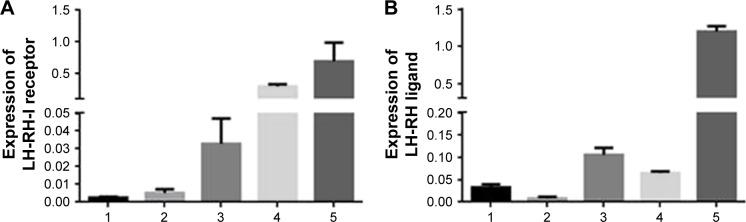
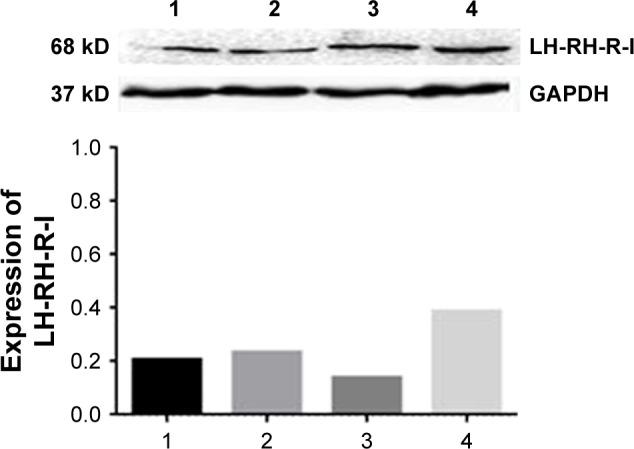
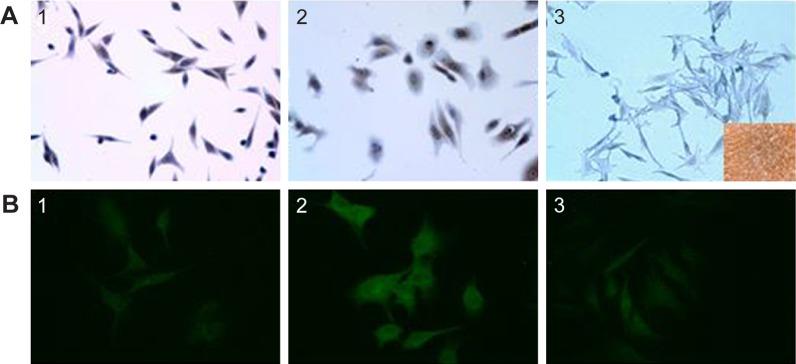
The mRNA for LH-RH-I receptor has been detected in OCM-1 and OCM-3 cell lines and was found markedly higher in OCM-3 cells. The mRNA for LH-RH-I receptors was also observed in both UM xenograft models in vivo with higher levels in OCM-3. The presence of LH-RH-I receptor protein was found in both cell lines in vitro by immunocytochemistry and Western blot, and also in tumor tissue samples grown in nude mice by Western blot. Both human uveal melanoma models investigated showed specific high affinity receptors for LH-RH-I using ligand competition assay. The mRNA for LH-RH ligand has also been detected in OCM-1 and OCM-3 cell lines and cancer tissues.
CONCLUSION
The demonstration of the expression of LH-RH-I receptors in OCM-1 and OCM-3 human UM cell lines suggests that they could serve as potential molecular target for therapy. Our findings support the development of new therapeutic approaches based on cytotoxic LH-RH analogs or modern powerful antagonistic analogs of LH-RH targeting LH-RH-I receptors in UM.
引言
葡萄膜黑色素瘤(UM)是最常见的原发性眼内恶性肿瘤,预后很差。传统化疗很少能延长生存期,因此患者需要新的治疗方式。癌细胞上下丘脑激素特异性受体的发现促使了放射性标记和细胞毒性激素类似物的研发。
材料与方法
在本研究中,我们的目的是调查I型促黄体生成素释放激素(LH-RH-I)受体及LH-RH配体的mRNA在人葡萄膜黑色素瘤细胞系OCM-1和OCM-3中的表达情况。通过蛋白质印迹法、免疫细胞化学和配体竞争试验进一步研究LH-RH-I受体蛋白的存在及结合特性。还使用源自接种OCM-1或OCM-3细胞的裸鼠的肿瘤样本研究了LH-RH-I受体的mRNA和蛋白表达。
结果
在OCM-1和OCM-3细胞系中检测到了LH-RH-I受体的mRNA,且在OCM-3细胞中明显更高。在体内的两种UM异种移植模型中也观察到了LH-RH-I受体的mRNA,OCM-3中的水平更高。通过免疫细胞化学和蛋白质印迹法在体外的两种细胞系中均发现了LH-RH-I受体蛋白的存在,通过蛋白质印迹法在裸鼠体内生长的肿瘤组织样本中也发现了该蛋白。使用配体竞争试验,所研究的两种人葡萄膜黑色素瘤模型均显示对LH-RH-I具有特异性高亲和力受体。在OCM-1和OCM-3细胞系及癌组织中也检测到了LH-RH配体的mRNA。
结论
在人UM细胞系OCM-1和OCM-3中LH-RH-I受体表达的证明表明它们可作为潜在的治疗分子靶点。我们的研究结果支持基于细胞毒性LH-RH类似物或靶向UM中LH-RH-I受体的现代强效LH-RH拮抗类似物开发新的治疗方法。

 Zotero 插件