
在中低收入国家和地区,治疗倡导者采取策略扩大艾滋病毒和丙型肝炎病毒抗病毒治疗的可及性:确保不落下任何人。
Treatment advocate tactics to expand access to antiviral therapy for HIV and viral hepatitis C in low- to high-income settings: making sure no one is left behind.
机构信息
Médecins du Monde, Paris, France.
Initiative for Access, Medicines and Knowledge, Oakland, CA, USA.
出版信息
J Int AIDS Soc. 2018 Apr;21 Suppl 2(Suppl Suppl 2):e25060. doi: 10.1002/jia2.25060.
INTRODUCTION
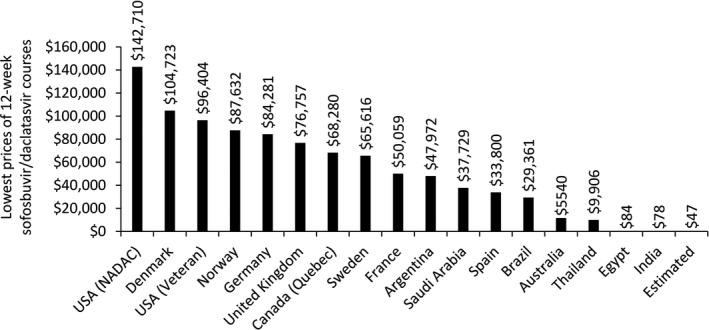
Worldwide, 71 million people are infected with hepatitis C virus (HCV), which, without treatment, can lead to liver failure or hepatocellular carcinoma. HCV co-infection increases liver- and AIDS-related morbidity and mortality among HIV-positive people, despite ART. A 12-week course of HCV direct-acting antivirals (DAAs) usually cures HCV - regardless of HIV status. However, patents and high prices have created access barriers for people living with HCV, especially people who inject drugs (PWID). Inadequate access to and coverage of harm reduction interventions feed the co-epidemics of HIV and HCV; as a result, the highest prevalence of HCV is found among PWID, who face additional obstacles to treatment (including stigma, discrimination and other structural barriers). The HIV epidemic occurred during globalization of intellectual property rights, and highlighted the relationship between patents and the high prices that prevent access to medicines. Indian generic manufacturers produced affordable generic HIV treatment, enabling global scale-up. Unlike HIV, donors have yet to step forward to fund HCV programmes, although DAAs can be mass-produced at a low and sustainable cost. Unfortunately, although voluntary licensing agreements between originators and generic manufacturers enable low-income (and some lower-middle income countries) to buy generic versions of HIV and HCV medicines, most middle-income countries with large burdens of HCV infection and HIV/HCV co-infection are excluded from these agreements. Our commentary presents tactics from the HIV experience that treatment advocates can use to expand access to DAAs.
DISCUSSION
A number of practical actions can help increase access to DAAs, including new research and development (R&D) paradigms; compassionate use, named-patient and early access programmes; use of TRIPS flexibilities such as compulsory licences and patent oppositions; and parallel importation via buyers' clubs. Together, these approaches can increase access to antiviral therapy for people living with HIV and viral hepatitis in low-, middle- and high-income settings.
CONCLUSIONS
The HIV example provides helpful parallels for addressing challenges to expanding access to HCV DAAs. HCV treatment access - and harm reduction - should be massively scaled-up to meet the needs of PWID, and efforts should be made to tackle stigma and discrimination, and stop criminalization of drug use and possession.
简介
全球有 7100 万人感染丙型肝炎病毒(HCV),如果不治疗,可能会导致肝衰竭或肝细胞癌。尽管有抗逆转录病毒疗法(ART),HCV 合并感染仍会增加 HIV 阳性人群的肝和艾滋病相关发病率和死亡率。12 周的 HCV 直接作用抗病毒药物(DAA)疗程通常可治愈 HCV - 无论 HIV 状况如何。然而,专利和高昂的价格为 HCV 感染者,特别是注射毒品者(PWID)创造了获取药物的障碍。减少伤害干预措施的获取和覆盖不足助长了 HIV 和 HCV 的共同流行;因此,HCV 的最高流行率出现在 PWID 中,他们在接受治疗方面面临额外的障碍(包括耻辱感、歧视和其他结构性障碍)。艾滋病流行发生在知识产权全球化期间,突显了专利与高价之间的关系,高价阻止了药物的可及性。印度的仿制药生产商生产了负担得起的仿制药 HIV 治疗药物,使全球得以扩大规模。与 HIV 不同,尽管 DAA 可以以低而可持续的成本大规模生产,但捐助者尚未挺身而出为 HCV 项目提供资金。不幸的是,尽管原始研发者和仿制药生产商之间的自愿许可协议使低收入国家(和一些中下收入国家)能够购买 HIV 和 HCV 药物的仿制药,但大多数 HCV 感染负担和 HIV/HCV 合并感染负担较大的中等收入国家都被排除在这些协议之外。我们的评论提出了治疗倡导者可以用来扩大 DAA 可及性的 HIV 经验策略。
讨论
一些实际行动可以帮助增加 DAA 的可及性,包括新的研发(R&D)模式;同情用药、指定患者和早期准入方案;利用 TRIPS 灵活性,如强制许可和专利异议;以及通过买家俱乐部进行平行进口。这些方法一起可以增加中低收入国家的 HIV 和病毒性肝炎感染者获得抗病毒治疗的机会。
结论
艾滋病毒的例子为解决扩大 HCV DAA 可及性的挑战提供了有益的借鉴。应大规模扩大 HCV 治疗的可及性和减少伤害,以满足 PWID 的需求,并努力解决耻辱感和歧视问题,停止对吸毒和持有毒品的定罪。
 Zotero 插件