
赌博相关危害的普遍性为预防悖论提供了证据。
Prevalence of gambling-related harm provides evidence for the prevention paradox.
机构信息
1 School of Health, Medical and Applied Sciences, Central Queensland University , Branyan, QLD, Australia.
出版信息
J Behav Addict. 2018 Jun 1;7(2):410-422. doi: 10.1556/2006.7.2018.41. Epub 2018 May 23.
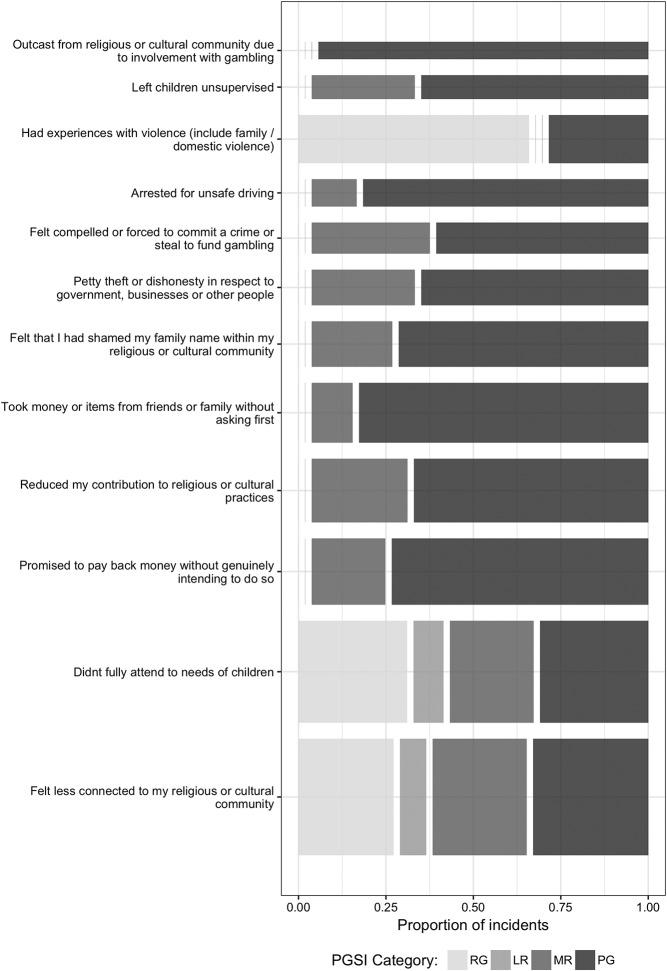
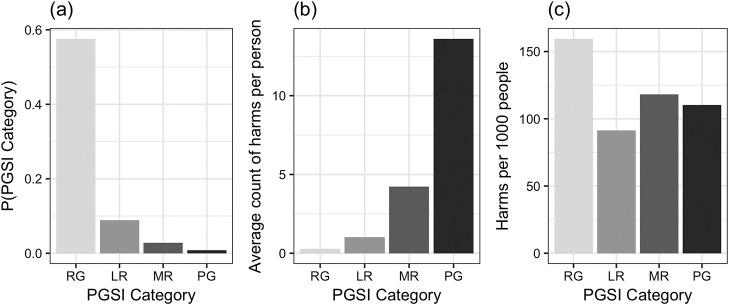
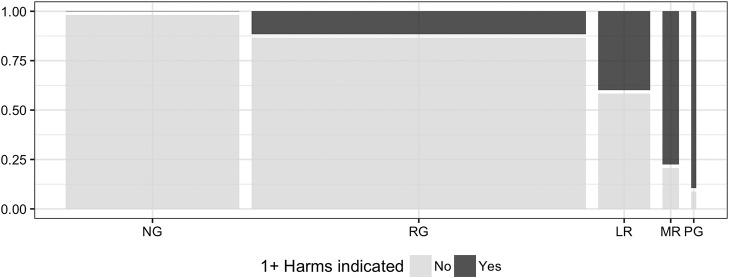
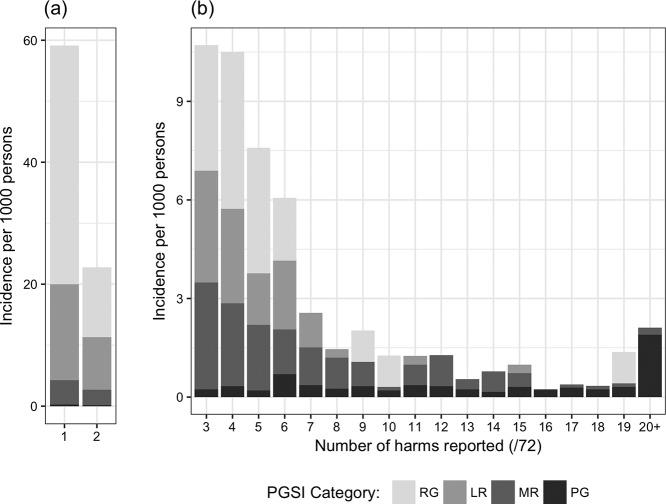
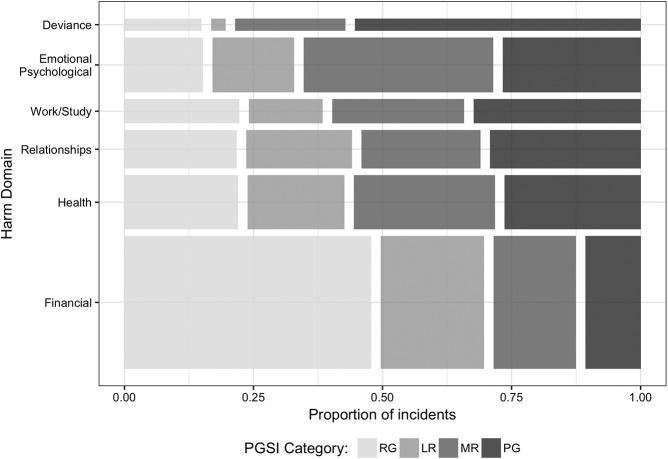
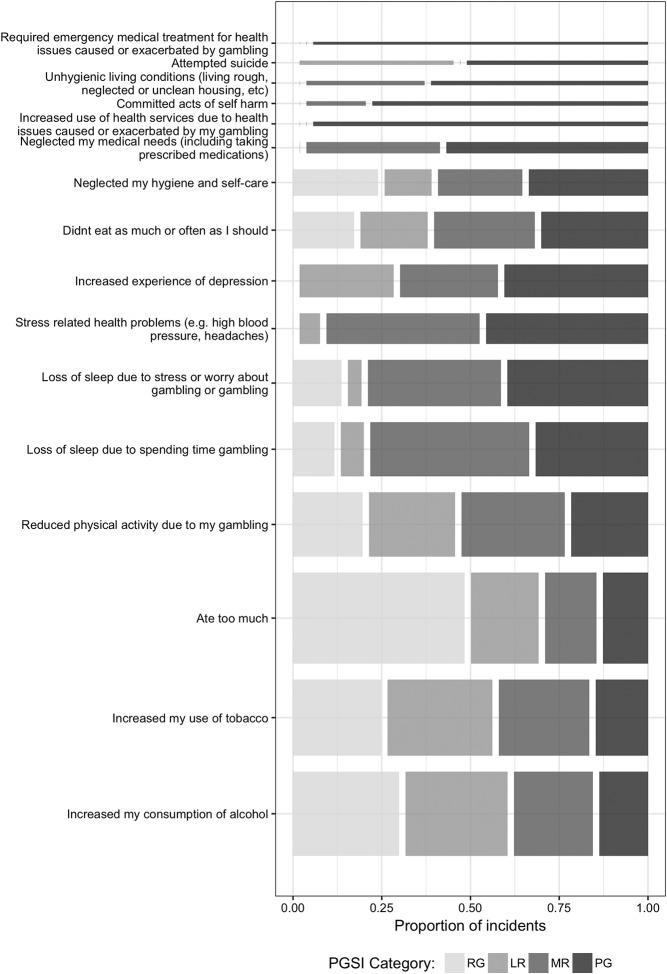
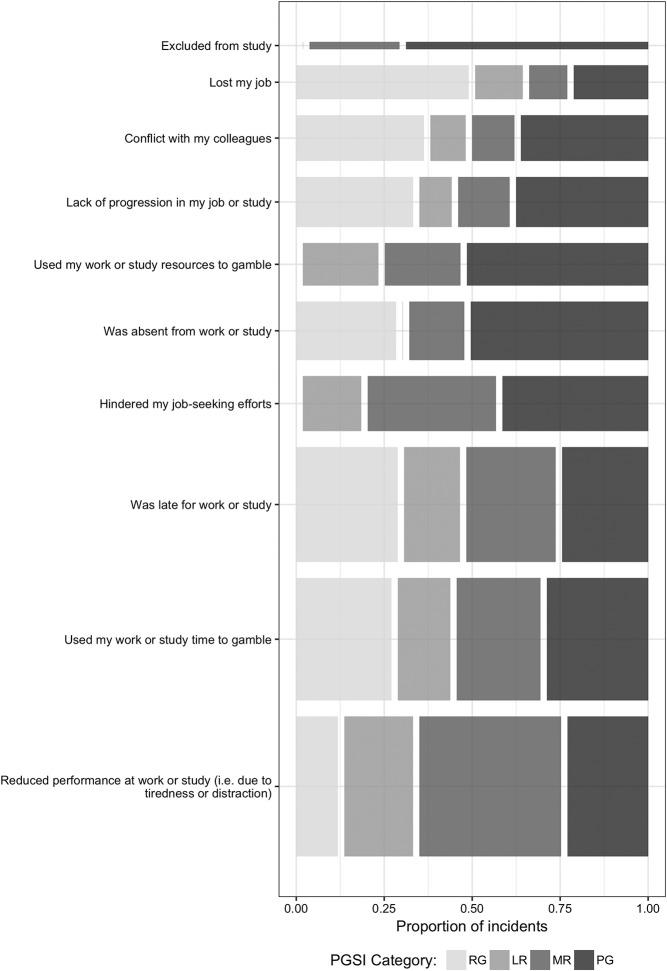
Background The prevention paradox (PP) describes a situation in which a greater number of cases of a disease-state come from low-risk members of a population, because they are more prevalent than high-risk members. Past research has provided only tangential and disputed evidence to support the application of the PP to gambling-related harm. Aims To assess whether the PP applies to gambling, the prevalence of a large set (72) of diverse harmful consequences from gambling was examined across four risk categories for problem gambling, including no-risk, low-risk, moderate-risk, and problem-gambling. Methods Respondents who had gambled on non-lottery forms in the past 6 months completed an online survey (N = 1,524, 49.4% male). The data were weighted to the known prevalence of gambling problems in the Victorian community. Results The prevalence of gambling harms, including severe harms, was generally higher in the combined categories of lower risk categories compared to the high-risk problem-gambling category. There were some notable exceptions, however, for some severe and rare harms. Nevertheless, the majority of harms in the 72-item list, including serious harms such as needing temporary accommodation, emergency welfare assistance, experiencing separation or end of a relationship, loss of a job, needing to sell personal items, and experiencing domestic violence from gambling, were more commonly associated with lower risk gamblers. Conclusion Many significant harms are concentrated outside the ranks of gamblers with a severe mental health condition, which supports a public-health approach to ameliorating gambling-related harm.
背景
预防悖论(PP)描述了一种情况,即疾病状态的更多病例来自于人群中的低风险成员,因为他们比高风险成员更为普遍。过去的研究仅提供了间接的、有争议的证据来支持将 PP 应用于与赌博相关的伤害。
目的
评估 PP 是否适用于赌博,研究了赌博相关的 72 种不同危害后果在四个赌博问题风险类别中的普遍程度,包括无风险、低风险、中风险和赌博问题。
方法
过去 6 个月内曾在非彩票形式上下注的受访者完成了一项在线调查(N=1524 人,49.4%为男性)。数据经过加权处理,以反映维多利亚社区中已知的赌博问题流行率。
结果
与高风险赌博问题类别相比,较低风险类别组合中的赌博危害(包括严重危害)的普遍程度通常更高。然而,对于一些严重和罕见的危害,也存在一些例外。尽管如此,72 项危害清单中的大多数危害,包括需要临时住所、紧急福利援助、经历分离或关系破裂、失业、需要出售个人物品以及因赌博而遭受家庭暴力等严重危害,更常见于低风险赌徒。
结论
许多重大危害集中在严重心理健康问题的赌徒之外,这支持了一种公共卫生方法来减轻与赌博相关的伤害。



 Zotero 插件