
抗体噬菌体展示技术基础。
Basics of Antibody Phage Display Technology.
机构信息
Department of Biotechnology and Biomedicine, Technical University of Denmark, Kongens Lyngby DK-2800, Denmark.
IONTAS Ltd., Cambridgeshire CB22 3EG, United Kingdom.
出版信息
Toxins (Basel). 2018 Jun 9;10(6):236. doi: 10.3390/toxins10060236.
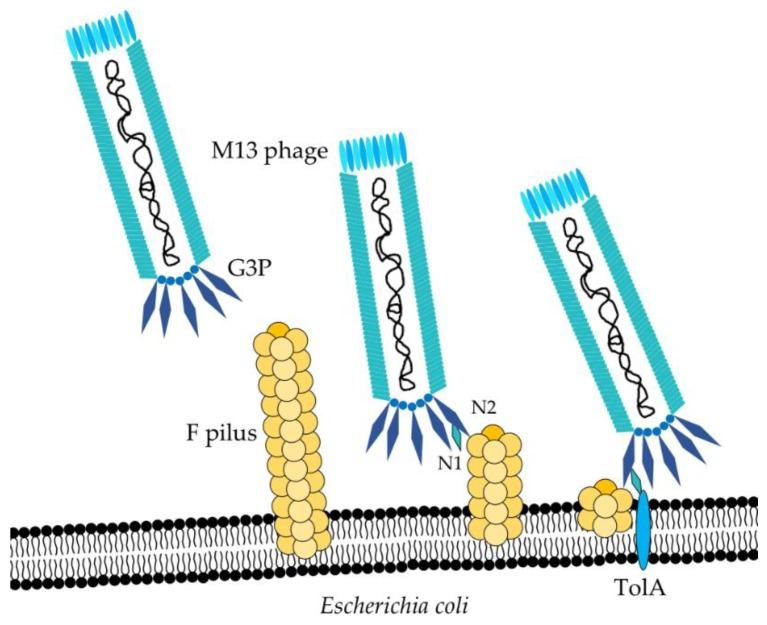
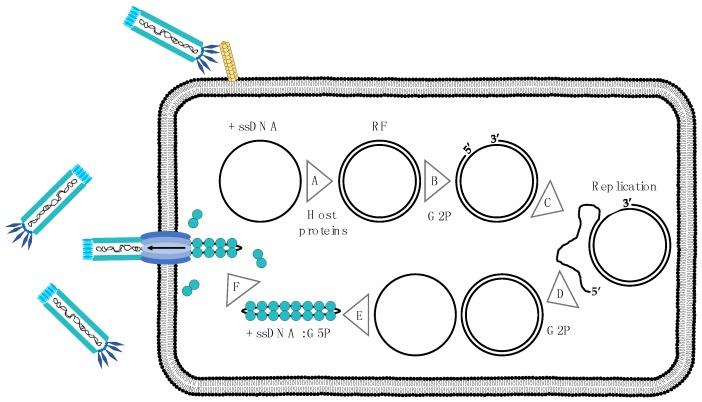
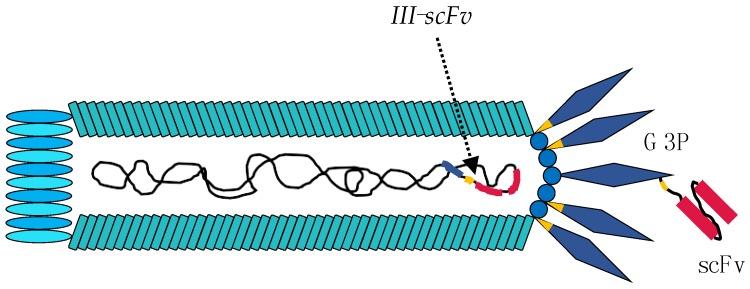
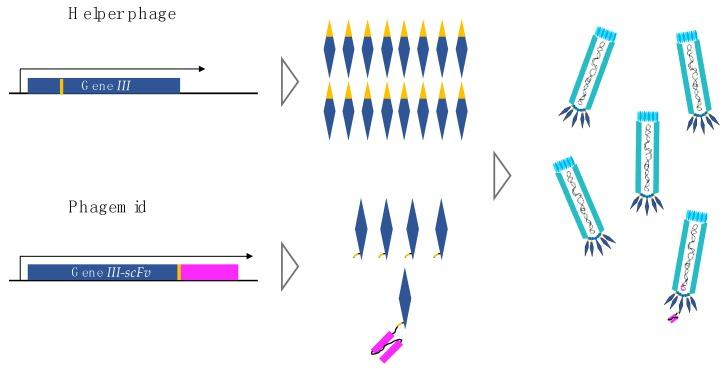
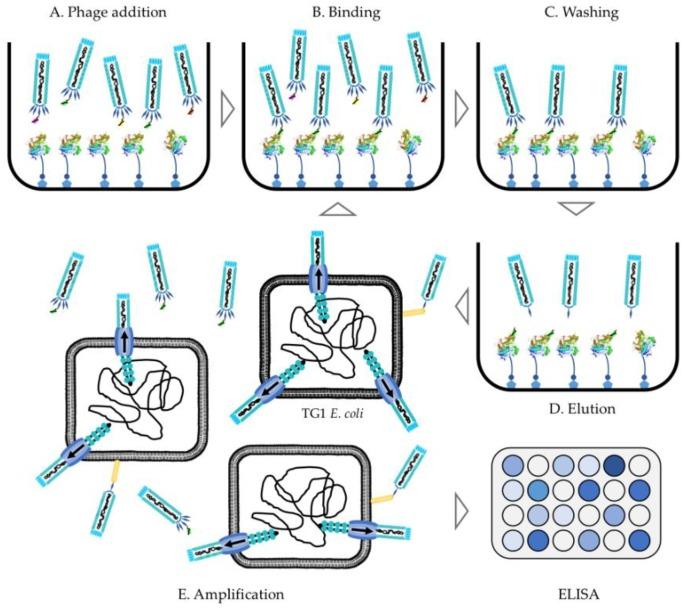
Antibody discovery has become increasingly important in almost all areas of modern medicine. Different antibody discovery approaches exist, but one that has gained increasing interest in the field of toxinology and antivenom research is phage display technology. In this review, the lifecycle of the M13 phage and the basics of phage display technology are presented together with important factors influencing the success rates of phage display experiments. Moreover, the pros and cons of different antigen display methods and the use of naïve versus immunized phage display antibody libraries is discussed, and selected examples from the field of antivenom research are highlighted. This review thus provides in-depth knowledge on the principles and use of phage display technology with a special focus on discovery of antibodies that target animal toxins.
抗体发现技术在现代医学的几乎所有领域都变得越来越重要。目前已经存在多种不同的抗体发现方法,但在毒素学和抗蛇毒血清研究领域,噬菌体展示技术越来越受到关注。在这篇综述中,我们介绍了 M13 噬菌体的生命周期和噬菌体展示技术的基础知识,以及影响噬菌体展示实验成功率的重要因素。此外,我们还讨论了不同抗原展示方法的优缺点,以及使用天然或免疫噬菌体展示抗体文库的利弊,并重点介绍了抗蛇毒血清研究领域的一些实例。因此,本综述深入介绍了噬菌体展示技术的原理和应用,特别关注针对动物毒素的抗体的发现。




 Zotero 插件