
组群大小对眨眼间隔的影响可作为野生狒狒预警捕食者警觉性的指标。
Group size effects on inter-blink interval as an indicator of antipredator vigilance in wild baboons.
机构信息
Graduate School of Tourism Sciences, University of the Ryukyus, Okinawa, Japan.
Mpala Research Centre, Nanyuki, Kenya.
出版信息
Sci Rep. 2018 Jul 3;8(1):10062. doi: 10.1038/s41598-018-28174-7.
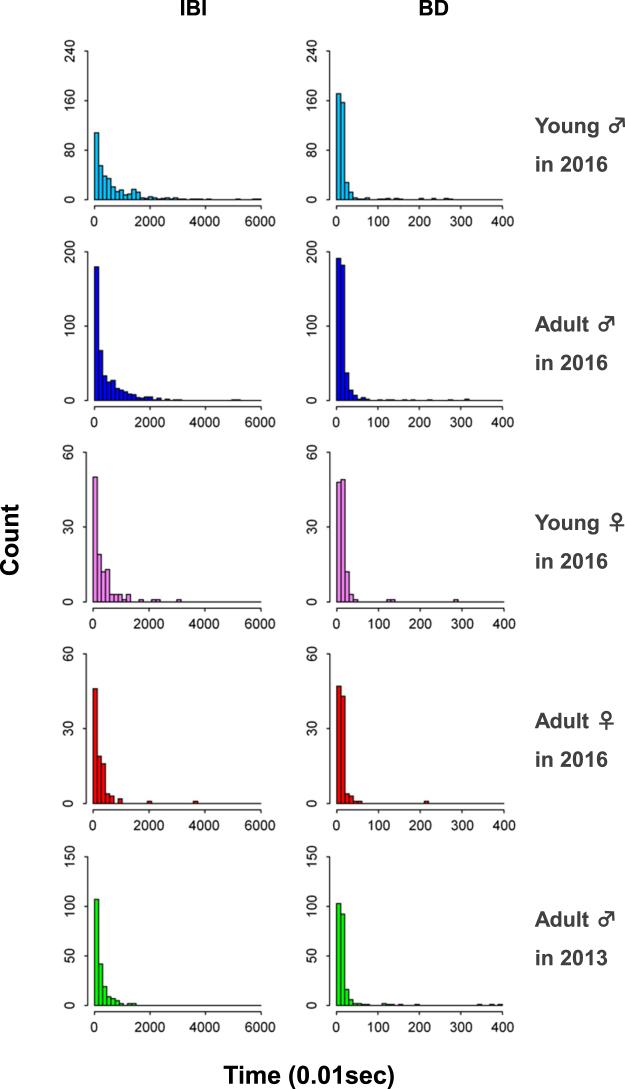
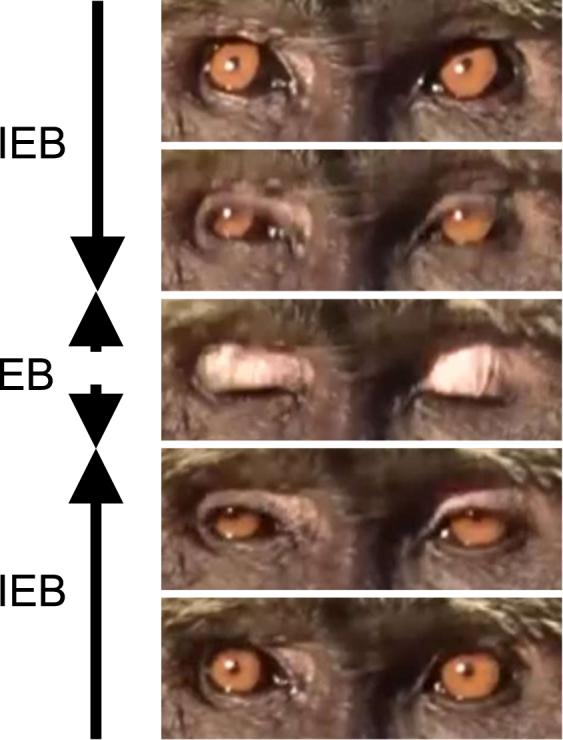
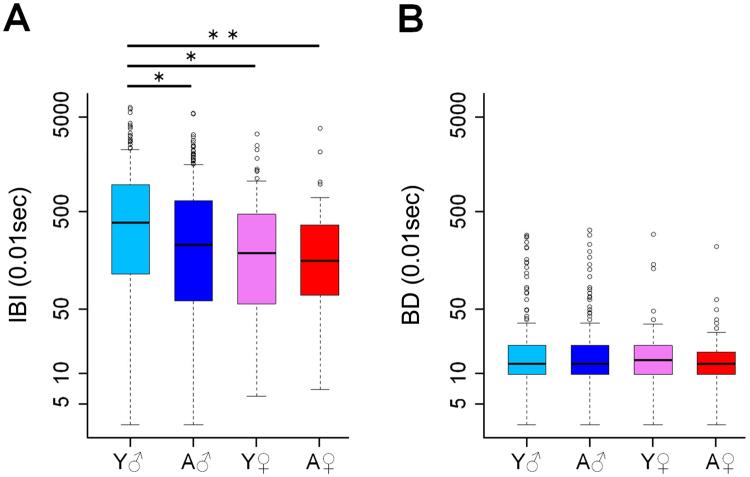
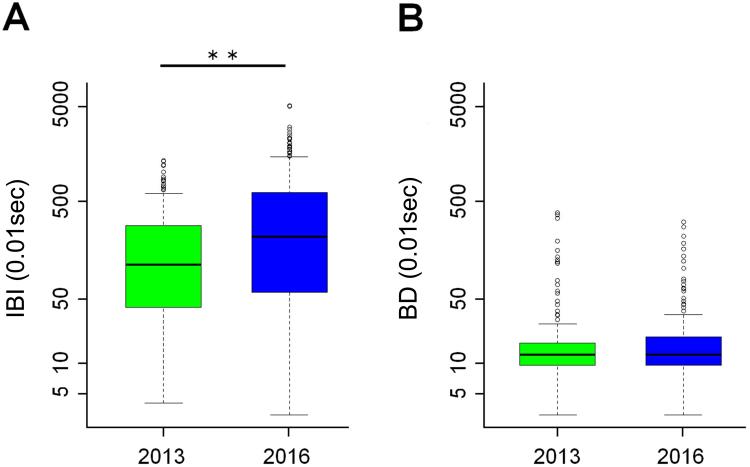
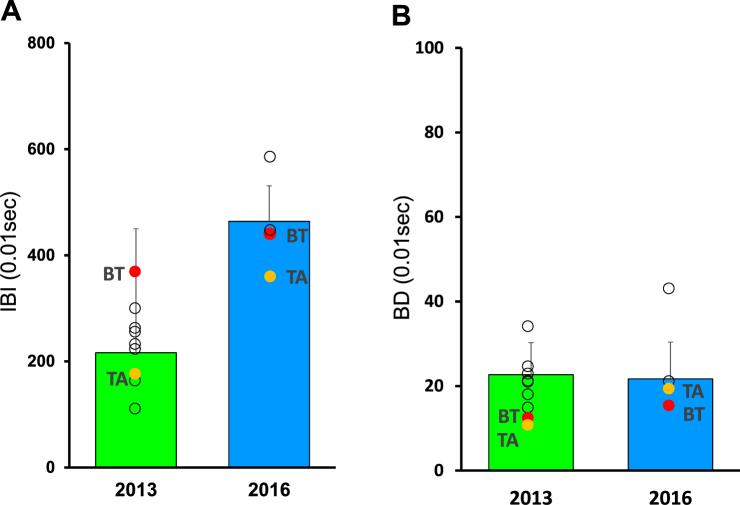
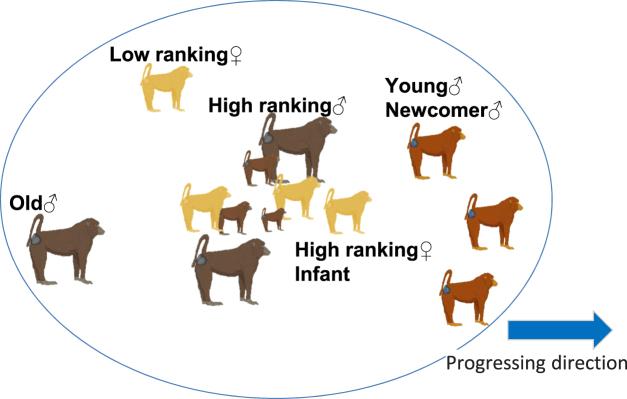
Vigilance in animals is an important means for predator detection. Animals living in groups reduce their predation risk as more individuals are present. In contrast to most other animals studied, many studies on primates do not support the prediction that individual vigilance will decline as group size increases. For animals to obtain visual information during vigilance behaviour, their eyes must be open. Therefore, if animals are able to perceive differential risk of predation, the inter-blink interval (eye-opening) should increase, and the blink duration (eye-closure) should decrease under higher predation risk. We tested this prediction by measuring inter-blink interval in wild anubis baboons (Papio anubis) in peripheral and centre individuals within a group, and between larger and smaller groups. We found that the inter-blink interval for young males, often located at the front edge of the group, was longer than that of adult males, adult females, and young females, often located in the center of the group, and that the inter-blink interval for adult males was longer when the group was smaller. These results suggest that inter-blink interval can be used as an indicator of primate vigilance toward predators.
动物的警觉性是探测捕食者的重要手段。生活在群体中的动物由于有更多的个体存在,它们的捕食风险降低。与大多数其他被研究的动物不同,许多关于灵长类动物的研究并不支持个体警觉性随群体大小增加而下降的预测。为了使动物在警戒行为中获得视觉信息,它们的眼睛必须睁开。因此,如果动物能够感知到捕食风险的差异,那么在更高的捕食风险下,眨眼间隔(睁眼)应该增加,眨眼持续时间(闭眼)应该减少。我们通过测量野生狒狒(Papio anubis)在群体边缘和中心个体以及较大和较小群体之间的眨眼间隔来检验这一预测。我们发现,通常位于群体前沿的年轻雄性的眨眼间隔比位于群体中心的成年雄性、成年雌性和年轻雌性的眨眼间隔长,并且当群体较小时,成年雄性的眨眼间隔更长。这些结果表明,眨眼间隔可以作为灵长类动物对捕食者警觉性的一个指标。
 Zotero 插件