
铅、镉、汞和砷致肾毒性的毒代动力学及治疗策略:一篇综述
Toxicodynamics of Lead, Cadmium, Mercury and Arsenic- induced kidney toxicity and treatment strategy: A mini review.
作者信息
Rana Mohammad Nasiruddin, Tangpong Jitbanjong, Rahman Md Masudur
机构信息
Biomedical Sciences, School of Allied Health Sciences, Walailak University, Thasala, Nakhon Si Thammarat, Thailand.
Department of Pharmacy, Faculty of Science and Engineering, International Islamic University Chittagong, Kumira, Chittagong-4318, Bangladesh.
出版信息
Toxicol Rep. 2018 May 26;5:704-713. doi: 10.1016/j.toxrep.2018.05.012. eCollection 2018.
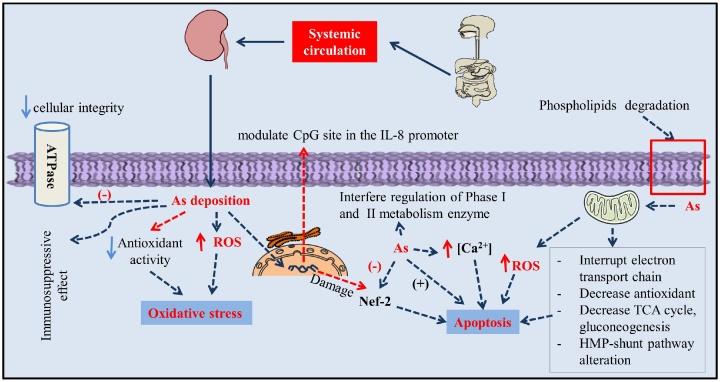
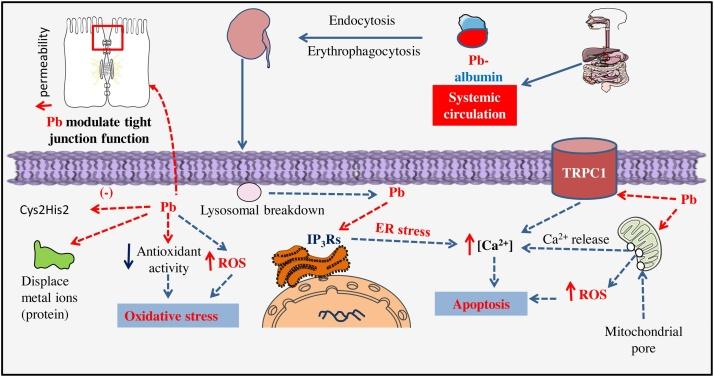
Environmental pollution has become a concerning matter to human beings. Flint water crisis in the USA pointed out that pollution by heavy metal is getting worse day by day, predominantly by Lead, Cadmium, Mercury and Arsenic. Despite of not having any biological role in flora and fauna, they exhibit detrimental effect following exposure (acute or chronic). Even at low dose, they affect brain, kidney and heart. Oxidative stress has been termed as cause and effect in heavy metal-induced kidney toxicity. In treatment strategy, different chelating agent, vitamins and minerals are included, though chelating agents has been showed different fatal drawbacks. Interestingly, plants and plants derived compounds had shown possible effectiveness against heavy metals induced kidney toxicity. This review will provide detail information on toxicodynamics of Pb, Cd, Hg and As, treatment strategy along with the possible beneficiary role of plant derived compound to protect kidney.
环境污染已成为人类关注的问题。美国弗林特水危机指出,重金属污染日益严重,主要是铅、镉、汞和砷。尽管它们在动植物中没有任何生物学作用,但暴露(急性或慢性)后会产生有害影响。即使在低剂量下,它们也会影响大脑、肾脏和心脏。氧化应激被认为是重金属诱导肾脏毒性的因果关系。在治疗策略中,包括了不同的螯合剂、维生素和矿物质,尽管螯合剂已显示出不同的致命缺点。有趣的是,植物及其衍生化合物已显示出对重金属诱导的肾脏毒性可能有效。本综述将提供有关铅、镉、汞和砷的毒理学、治疗策略以及植物衍生化合物对保护肾脏可能的有益作用的详细信息。


 Zotero 插件