
病毒 mRNA 的转录分析揭示了五种不同丝状病毒感染的细胞中的常见转录模式。
Transcriptional analysis of viral mRNAs reveals common transcription patterns in cells infected by five different filoviruses.
机构信息
Viral Special Pathogens Branch, Centers for Disease Control and Prevention, Atlanta, GA, United States of America.
出版信息
PLoS One. 2018 Aug 2;13(8):e0201827. doi: 10.1371/journal.pone.0201827. eCollection 2018.
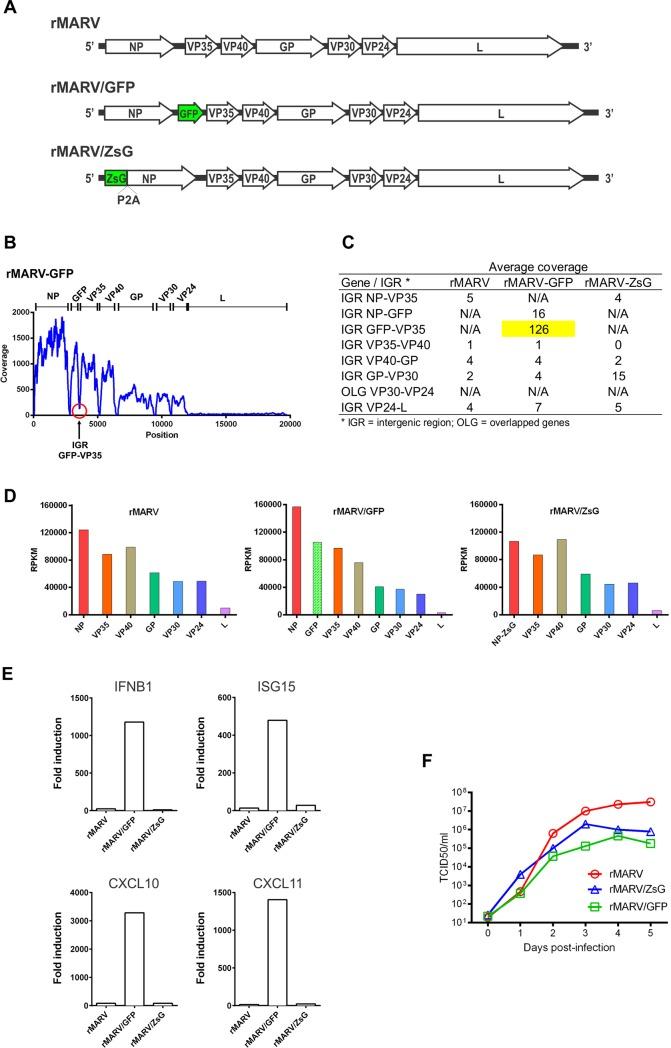
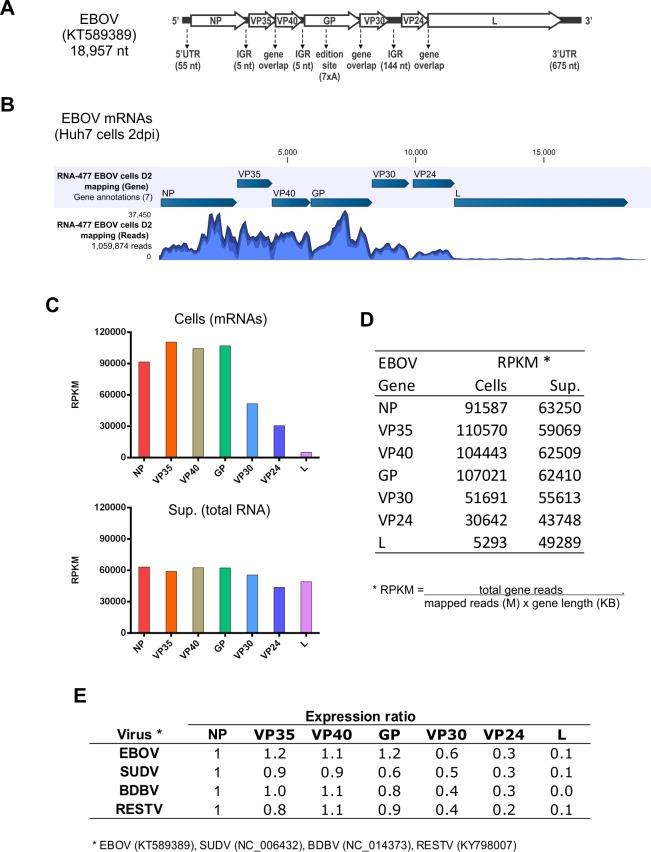
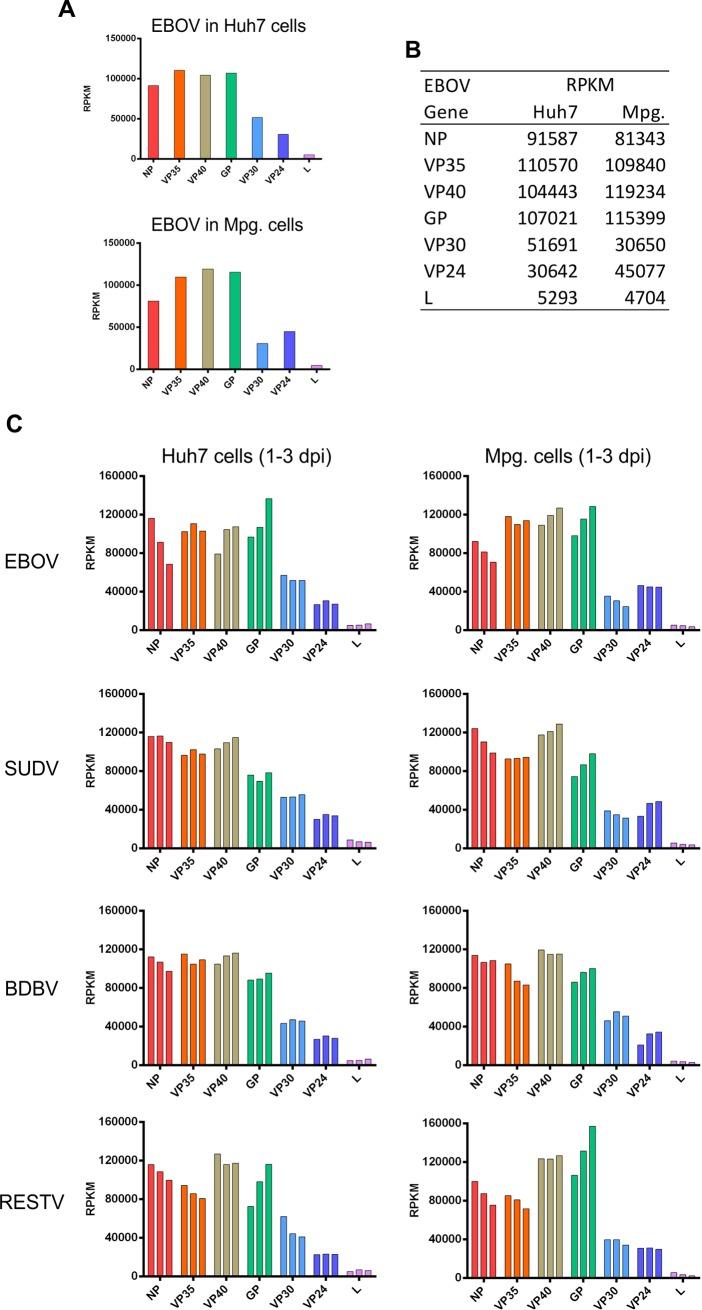
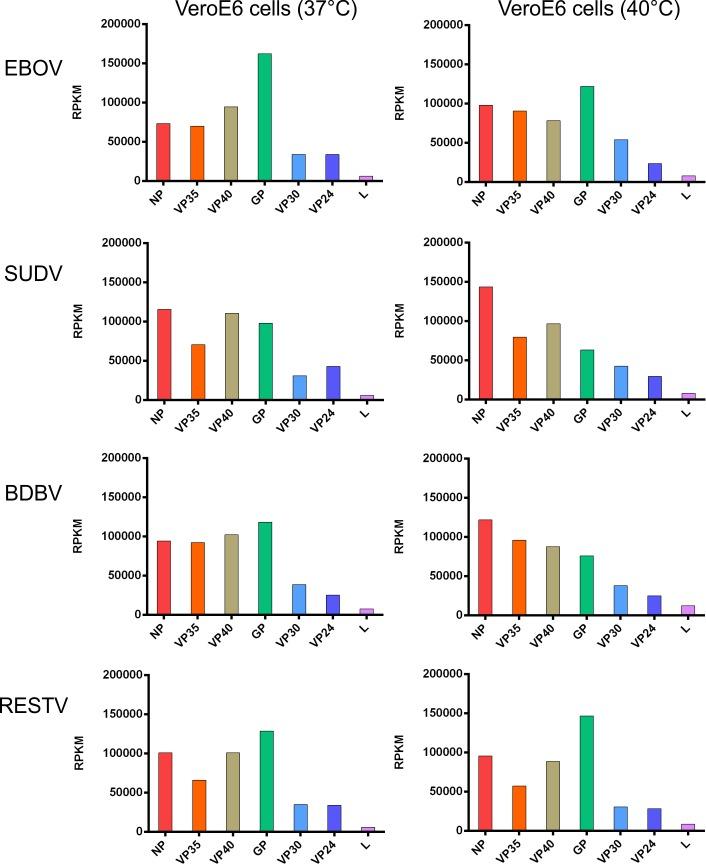
Filoviruses are notorious viral pathogens responsible for high-consequence diseases in humans and non-human primates. Transcription of filovirus mRNA shares several common features with transcription in other non-segmented negative-strand viruses, including differential expression of genes located across the viral genome. Transcriptional patterns of Ebola virus (EBOV) and Marburg virus (MARV) have been previously described using traditional, laborious methods, such as northern blots and in vivo labeling of viral mRNAs. More recently, however, the availability of the next generation sequencing (NGS) technology has offered a more straightforward approach to assess transcriptional patterns. In this report, we analyzed the transcription patterns of four ebolaviruses-EBOV, Sudan (SUDV), Bundibugyo (BDBV), and Reston (RESTV) viruses-in two different cell lines using standard NGS library preparation and sequencing protocols. In agreement with previous reports mainly focused on EBOV and MARV, the remaining filoviruses used in this study also showed a consistent transcription pattern, with only minor variations between the different viruses. We have also analyzed the proportions of the three mRNAs transcribed from the GP gene, which are characteristic of the genus Ebolavirus and encode the glycoprotein (GP), the soluble GP (sGP), and the small soluble GP (ssGP). In addition, we used NGS methodology to analyze the transcription pattern of two previously described recombinant MARV. This analysis allowed us to correct our construction design, and to make an improved version of the original MARV expressing reporter genes.
丝状病毒是臭名昭著的病毒病原体,可导致人类和非人类灵长类动物发生高后果疾病。丝状病毒 mRNA 的转录与其他非分段负链病毒的转录具有几个共同特征,包括跨病毒基因组差异表达基因。埃博拉病毒(EBOV)和马尔堡病毒(MARV)的转录模式以前使用传统的、费力的方法(如 northern blot 和病毒 mRNA 的体内标记)进行了描述。然而,最近,下一代测序(NGS)技术的出现提供了一种更直接的方法来评估转录模式。在本报告中,我们使用标准的 NGS 文库制备和测序方案,在两种不同的细胞系中分析了四种埃博拉病毒(EBOV、苏丹(SUDV)、本迪布焦(BDBV)和雷斯顿(RESTV)病毒)的转录模式。与主要集中在 EBOV 和 MARV 的先前报告一致,本研究中使用的其余丝状病毒也表现出一致的转录模式,不同病毒之间只有微小差异。我们还分析了从 GP 基因转录的三种 mRNAs 的比例,这些 mRNAs 是埃博拉病毒属的特征,编码糖蛋白(GP)、可溶性 GP(sGP)和小可溶性 GP(ssGP)。此外,我们使用 NGS 方法分析了两个先前描述的重组 MARV 的转录模式。该分析允许我们纠正我们的构建设计,并对原始表达报告基因的 MARV 进行了改进版本。
 Zotero 插件