
阿尔茨海默病中的热休克蛋白:作用与靶向。
Heat Shock Proteins in Alzheimer's Disease: Role and Targeting.
机构信息
Dipartimento di Biomedicina Sperimentale e Neuroscienze Cliniche (BIONEC), Università degli Studi di Palermo, Via del Vespro 129, 90127 Palermo, Italy.
Dipartimento di Scienze e Tecnologie Biologiche, Università degli Studi di Palermo, Chimiche e Farmaceutiche (STEBICEF), Viale delle scienze Ed.17, 90128 Palermo, Italy.
出版信息
Int J Mol Sci. 2018 Sep 1;19(9):2603. doi: 10.3390/ijms19092603.
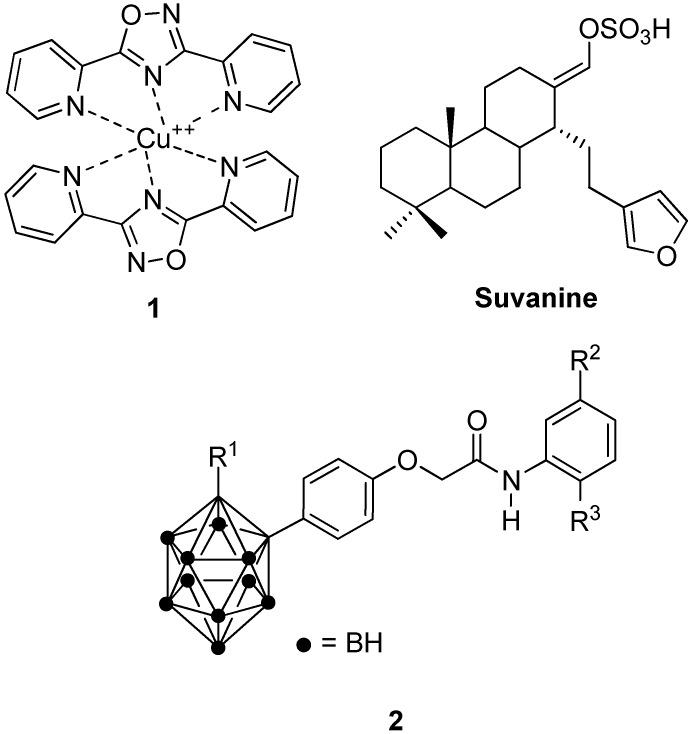
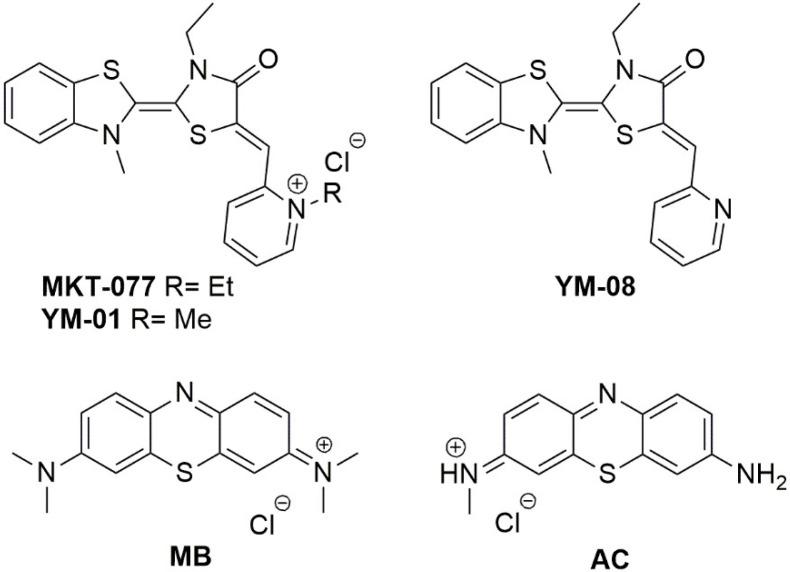
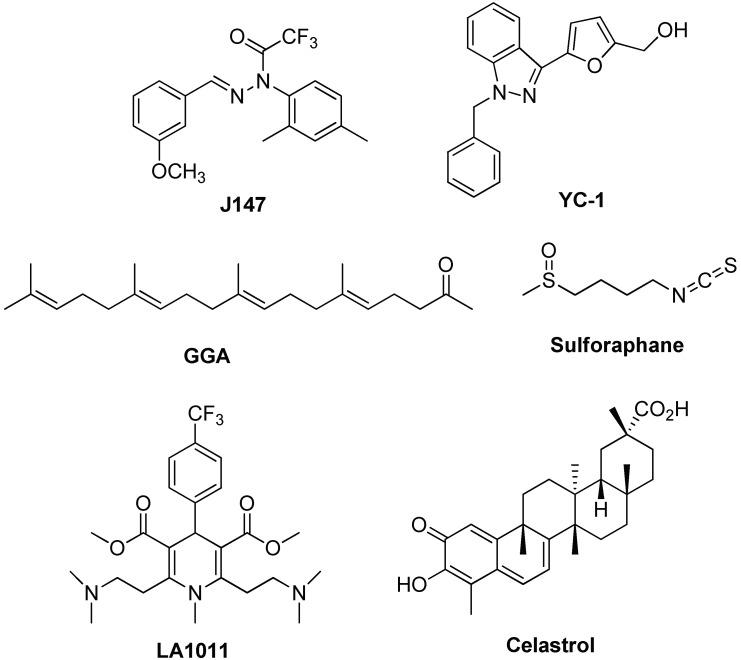
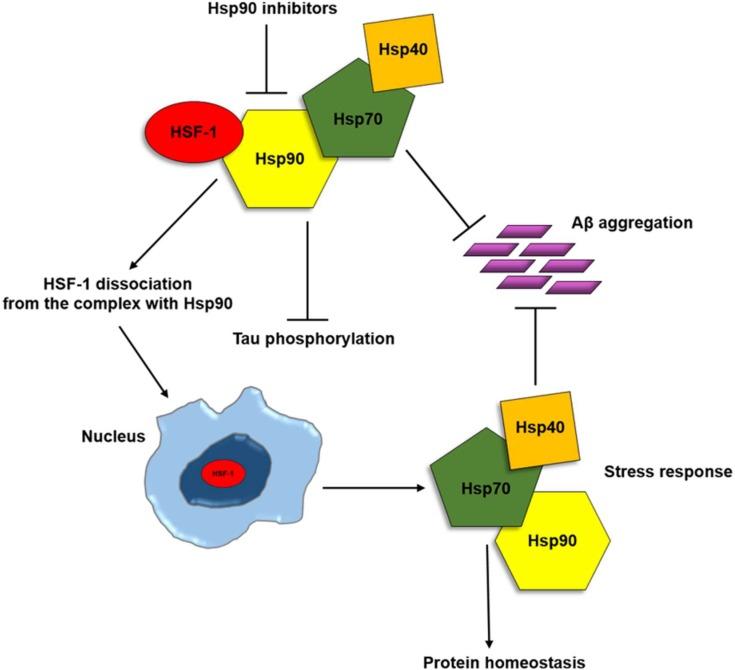
Among diseases whose cure is still far from being discovered, Alzheimer's disease (AD) has been recognized as a crucial medical and social problem. A major issue in AD research is represented by the complexity of involved biochemical pathways, including the nature of protein misfolding, which results in the production of toxic species. Considering the involvement of (mis)folding processes in AD aetiology, targeting molecular chaperones represents a promising therapeutic perspective. This review analyses the connection between AD and molecular chaperones, with particular attention toward the most important heat shock proteins (HSPs) as representative components of the human chaperome: Hsp60, Hsp70 and Hsp90. The role of these proteins in AD is highlighted from a biological point of view. Pharmacological targeting of such HSPs with inhibitors or regulators is also discussed.
在尚未找到治愈方法的疾病中,阿尔茨海默病(AD)已被公认为一个重大的医学和社会问题。AD 研究中的一个主要问题是涉及的生化途径的复杂性,包括蛋白质错误折叠的性质,这会导致产生毒性物质。鉴于(错误)折叠过程在 AD 发病机制中的参与,针对分子伴侣代表了一种有前途的治疗前景。本综述分析了 AD 与分子伴侣之间的联系,特别关注最重要的热休克蛋白(HSPs)作为人类伴侣组的代表性成分:Hsp60、Hsp70 和 Hsp90。从生物学角度强调了这些蛋白质在 AD 中的作用。还讨论了用抑制剂或调节剂对这些 HSP 进行药理学靶向的问题。



 Zotero 插件