
骨骼肌源性细胞植入治疗括约肌相关的粪便失禁。
Skeletal muscle-derived cell implantation for the treatment of sphincter-related faecal incontinence.
机构信息
Department of Obstetrics and Gynaecology, Division of Gynaecology, Medical University of Graz, Auenbruggerplatz 14, 8036, Graz, Austria.
Innovacell Biotechnologie AG, Science Park, Innsbruck, Austria.
出版信息
Stem Cell Res Ther. 2018 Sep 13;9(1):233. doi: 10.1186/s13287-018-0978-y.
BACKGROUND
In an earlier pilot study with 10 women, we investigated a new approach for therapy of faecal incontinence (FI) due to obstetric trauma, involving ultrasound-guided injection of autologous skeletal muscle-derived cells (SMDC) into the external anal sphincter (EAS), and observed significant improvement. In the current study, we tested this therapeutic approach in an extended patient group: male and female patients suffering from FI due to EAS damage and/or atrophy. Furthermore, feasibility of lower cell counts and cryo-preserved SMDC was assessed.
METHODS
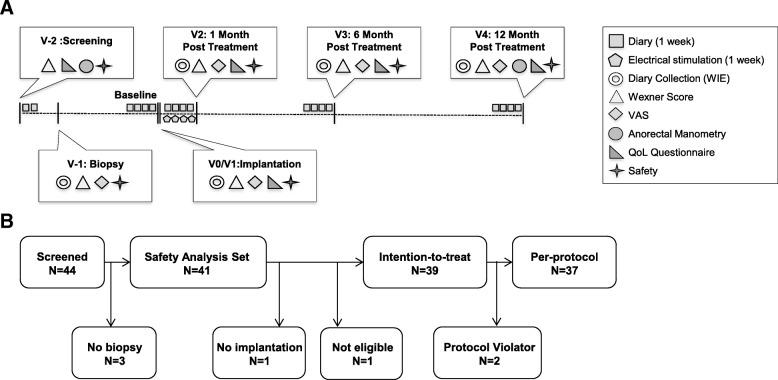
In this single-centre, explorative, baseline-controlled clinical trial, each patient (n = 39; mean age 60.6 ± 13.81 years) received 79.4 ± 22.5 × 10 cryo-preserved autologous SMDC. Changes in FI parameters, Fecal Incontinence Quality of Life (FIQL), anorectal manometry and safety from baseline to 1, 6 and 12 months post implantation were evaluated.
RESULTS
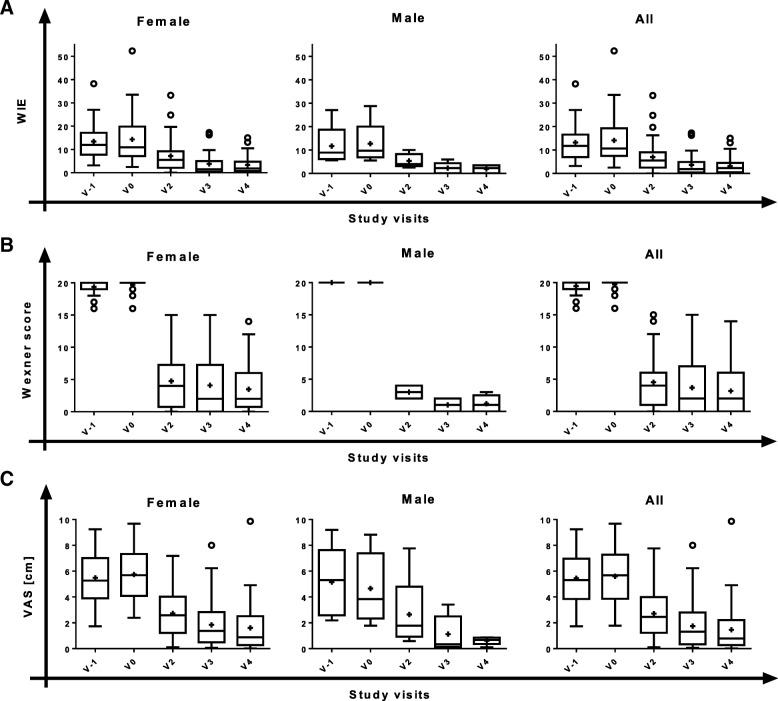
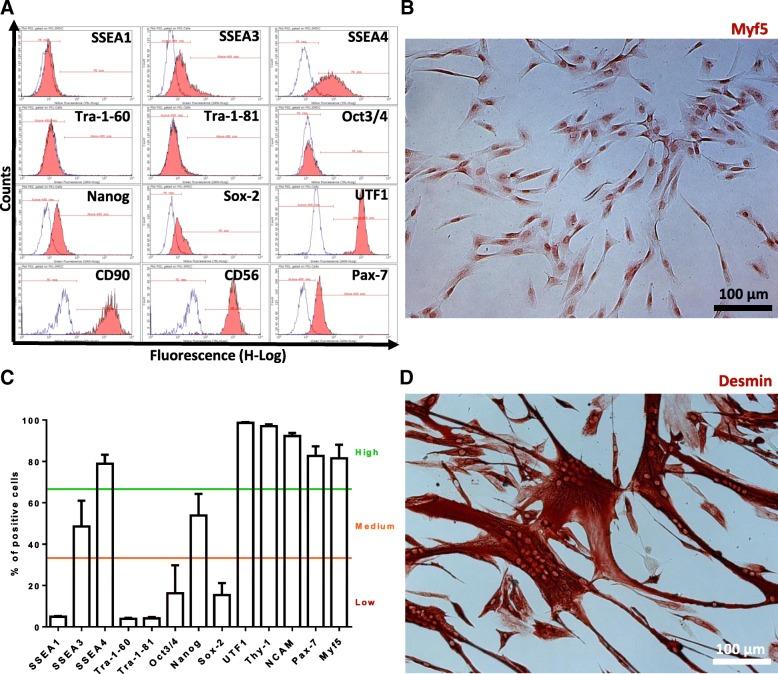
SMDC used in this trial contained a high percentage of myogenic-expressing (CD56) and muscle stem cell marker-expressing (Pax7, Myf5) cells. Intervention was well tolerated without any serious adverse events. After 12 months, the number of weekly incontinence episodes (WIE, primary variable), FIQL and patient condition had improved significantly. In 80.6% of males and 78.4% of females, the WIE frequency decreased by at least 50%; Wexner scores and severity of FI complaints decreased significantly, independent of gender and cause of FI.
CONCLUSIONS
Injection of SMDCs into the EAS effectively improved sphincter-related FI due to EAS damage and/or atrophy in males and females. When confirmed in a larger, placebo-controlled trial, this minimal invasive procedure has the potential to become first-line therapy for FI.
TRIAL REGISTRATION
EU Clinical Trials Register, EudraCT 2010-023826-19 (Date of registration: 08.11.2010).
背景
在之前对 10 名女性进行的一项试点研究中,我们研究了一种治疗因产科创伤导致的粪便失禁(FI)的新方法,该方法涉及使用超声引导将自体骨骼肌源性细胞(SMDC)注射到外括约肌(EAS)中,观察到明显的改善。在当前的研究中,我们在一个扩展的患者群体中测试了这种治疗方法:因 EAS 损伤和/或萎缩而患有 FI 的男性和女性患者。此外,还评估了较低细胞计数和冷冻保存的 SMDC 的可行性。
方法
在这项单中心、探索性、基线对照的临床试验中,每位患者(n=39;平均年龄 60.6±13.81 岁)接受了 79.4±22.5×10 个冷冻保存的自体 SMDC。从基线到植入后 1、6 和 12 个月,评估 FI 参数、粪便失禁生活质量(FIQL)、肛门直肠测压和安全性的变化。
结果
本试验中使用的 SMDC 含有高比例表达肌源性(CD56)和肌肉干细胞标志物(Pax7、Myf5)的细胞。干预措施耐受性良好,无任何严重不良事件。12 个月后,每周失禁发作次数(主要变量 WIE)、FIQL 和患者状况均显著改善。在 80.6%的男性和 78.4%的女性中,WIE 频率至少降低了 50%;Wexner 评分和 FI 严重程度显著降低,与性别和 FI 原因无关。
结论
将 SMDC 注射到 EAS 中可有效改善因 EAS 损伤和/或萎缩导致的男性和女性括约肌相关 FI。在更大的、安慰剂对照的试验中得到证实后,这种微创程序有可能成为 FI 的一线治疗方法。
试验注册
欧盟临床试验注册处,EudraCT 2010-023826-19(注册日期:2010 年 11 月 8 日)。



 Zotero 插件