
基于生物信息学数据库的细菌纳米纤维素/载银纳米复合物辅助体外分子研究创伤愈合。
In vitro molecular study of wound healing using biosynthesized bacteria nanocellulose/silver nanocomposite assisted by bioinformatics databases.
机构信息
Department of Bioprocess Technology, Faculty of Biotechnology and Biomolecular Sciences, Universiti Putra Malaysia, UPM Serdang, Selangor, Malaysia,
Young Researcher and Elite Club, Sabzevar Branch, Islamic Azad University, Sabzevar, Iran.
出版信息
Int J Nanomedicine. 2018 Sep 12;13:5097-5112. doi: 10.2147/IJN.S164573. eCollection 2018.
BACKGROUND
In recent years, bacterial nanocellulose (BNC) based nanocomposites have been developed to promote healing property and antibacterial activity of BNC wound dressing. Molecular study can help to better understanding about interaction of genes and pathways involved in healing progression.
OBJECTIVES
The aim of this study was to prepare bacterial nanocellulose/silver (BNC/Ag) nanocomposite films as ecofriendly wound dressing in order to assess their physical, cytotoxicity and antimicrobial properties. The in vitro molecular study was performed to evaluate expression of genes involved in healing of wounds after treatment with BNC/Ag biofilms.
STUDY DESIGN MATERIALS AND METHODS
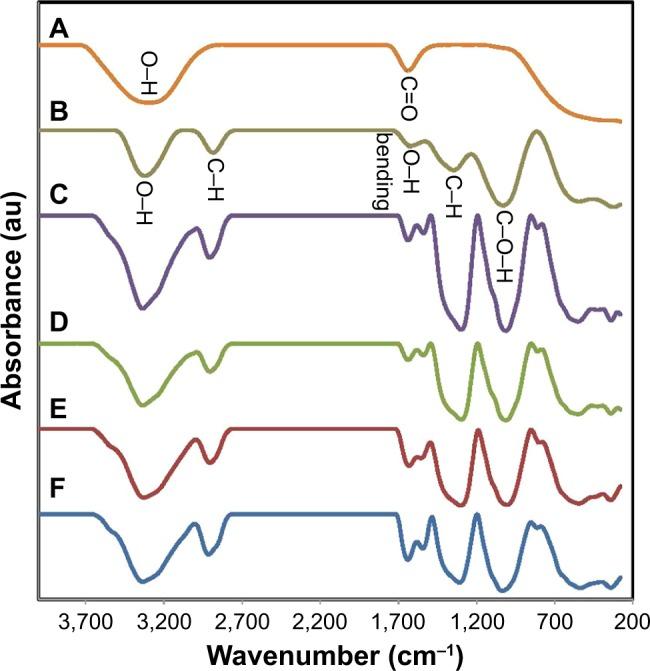
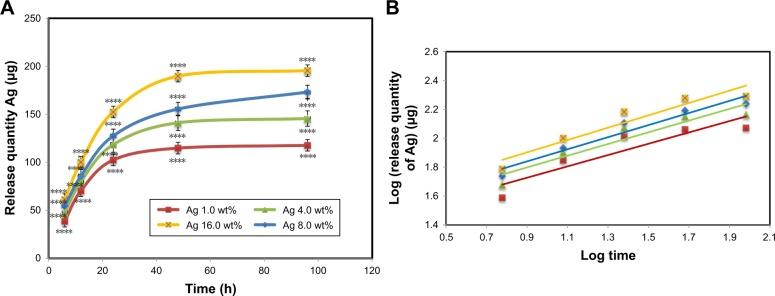
Silver nanoparticles were formed by using extract within new isolated bacterial nanocellulose (BNC) RM1. The nanocomposites were characterized using X-ray diffraction, Fourier transform infrared, and field emission scanning electron microscopy. Besides, swelling property and Ag release profile of the nanocomposites were studied. The ability of nanocomposites to promote wound healing of human dermal fibroblast cells in vitro was studied. Bioinformatics databases were used to identify genes with important healing effect. Key genes which interfered with healing were studied by quantitative real time PCR.
RESULTS
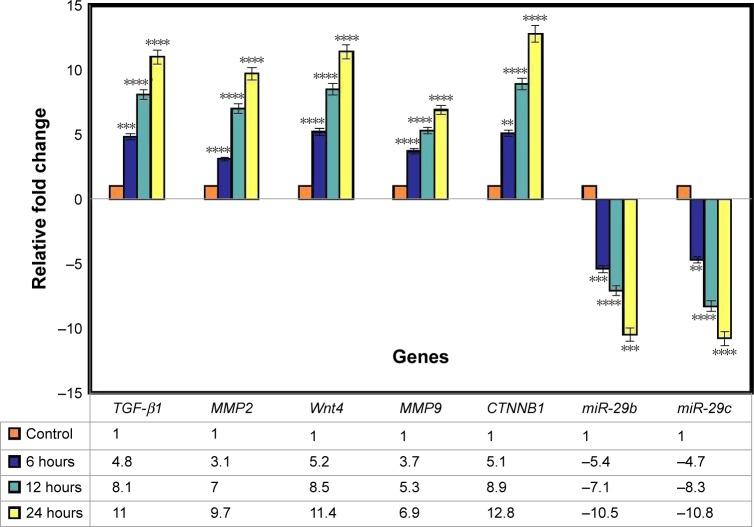
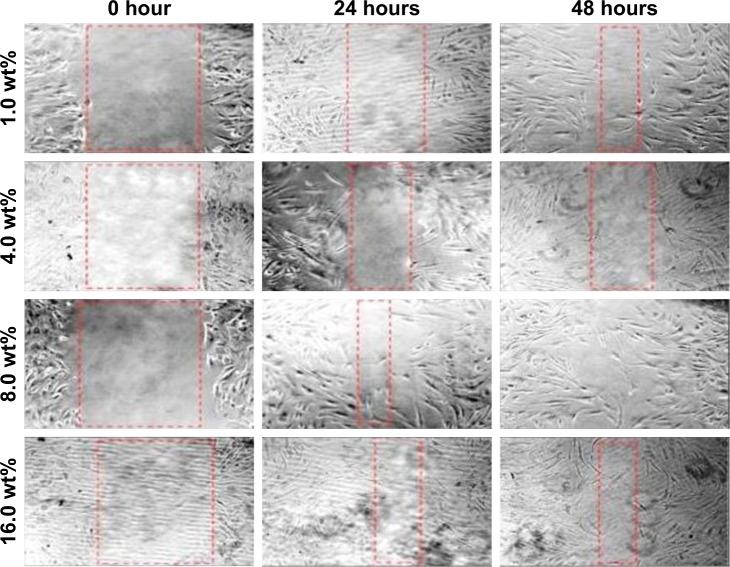
Spherical silver nanoparticles with particle size ranging from 20 to 50 nm were synthesized and impregnated within the structure of BNC. The resulting nanocomposites showed significant antibacterial activities with inhibition zones ranging from 7±0.25 to 16.24±0.09 mm against skin pathogenic bacteria. Moreover, it was compatible with human fibroblast cells (HDF) and could promote in vitro wound healing after 48h. Based on bioinformatics databases, the genes of -, , , , , and played important role in wound healing. The nanocomposites had an effect in expression of the genes in healing. Thus, the BNC/Ag nanocomposite can be used to heal wound in a short period and simple manner.
CONCLUSION
This eco-friendly nanocomposite with excellent antibacterial activities and healing property confirming its utility as potential wound dressings.
背景
近年来,细菌纳米纤维素(BNC)基纳米复合材料的发展促进了 BNC 伤口敷料的愈合性能和抗菌活性。分子研究有助于更好地了解参与愈合过程的基因和途径的相互作用。
目的
本研究旨在制备细菌纳米纤维素/银(BNC/Ag)纳米复合材料薄膜,作为环保型伤口敷料,以评估其物理性能、细胞毒性和抗菌性能。通过体外分子研究评估了 BNC/Ag 生物膜处理后伤口愈合过程中相关基因的表达。
研究设计材料与方法
在新分离的细菌纳米纤维素(BNC)RM1 中使用 提取物形成银纳米颗粒。使用 X 射线衍射、傅里叶变换红外和场发射扫描电子显微镜对纳米复合材料进行了表征。此外,还研究了纳米复合材料的溶胀性能和 Ag 释放曲线。研究了纳米复合材料在体外促进人真皮成纤维细胞伤口愈合的能力。使用生物信息学数据库鉴定具有重要愈合作用的基因。通过定量实时 PCR 研究了干扰愈合的关键基因。
结果
合成了粒径为 20-50nm 的球形银纳米颗粒,并将其浸渍在 BNC 的结构中。所得纳米复合材料对皮肤致病菌表现出显著的抗菌活性,抑菌圈直径范围为 7±0.25 至 16.24±0.09mm。此外,它与人类成纤维细胞(HDF)相容,并能在 48 小时后促进体外伤口愈合。基于生物信息学数据库, 、 、 、 、 、 基因在伤口愈合中发挥重要作用。纳米复合材料对愈合相关基因的表达有影响。因此,BNC/Ag 纳米复合材料可用于在短时间内以简单的方式治愈伤口。
结论
这种具有优异抗菌活性和愈合性能的环保型纳米复合材料证实了其作为潜在伤口敷料的用途。





 Zotero 插件