
乳腺癌的发生与进展:风险因素、癌症干细胞、信号通路、基因组学及分子发病机制
Breast cancer development and progression: Risk factors, cancer stem cells, signaling pathways, genomics, and molecular pathogenesis.
作者信息
Feng Yixiao, Spezia Mia, Huang Shifeng, Yuan Chengfu, Zeng Zongyue, Zhang Linghuan, Ji Xiaojuan, Liu Wei, Huang Bo, Luo Wenping, Liu Bo, Lei Yan, Du Scott, Vuppalapati Akhila, Luu Hue H, Haydon Rex C, He Tong-Chuan, Ren Guosheng
机构信息
Chongqing Key Laboratory of Molecular Oncology and Epigenetics, Departments of General Surgery, Clinical Laboratory Medicine, Orthopaedic Surgery, Plastic Surgery and Burn, and Otolaryngology, Head and Neck Surgery, The First Affiliated Hospital of Chongqing Medical University, Chongqing 400016, China.
Molecular Oncology Laboratory, Department of Orthopaedic Surgery and Rehabilitation Medicine, The University of Chicago Medical Center, Chicago, IL 60637, USA.
出版信息
Genes Dis. 2018 May 12;5(2):77-106. doi: 10.1016/j.gendis.2018.05.001. eCollection 2018 Jun.
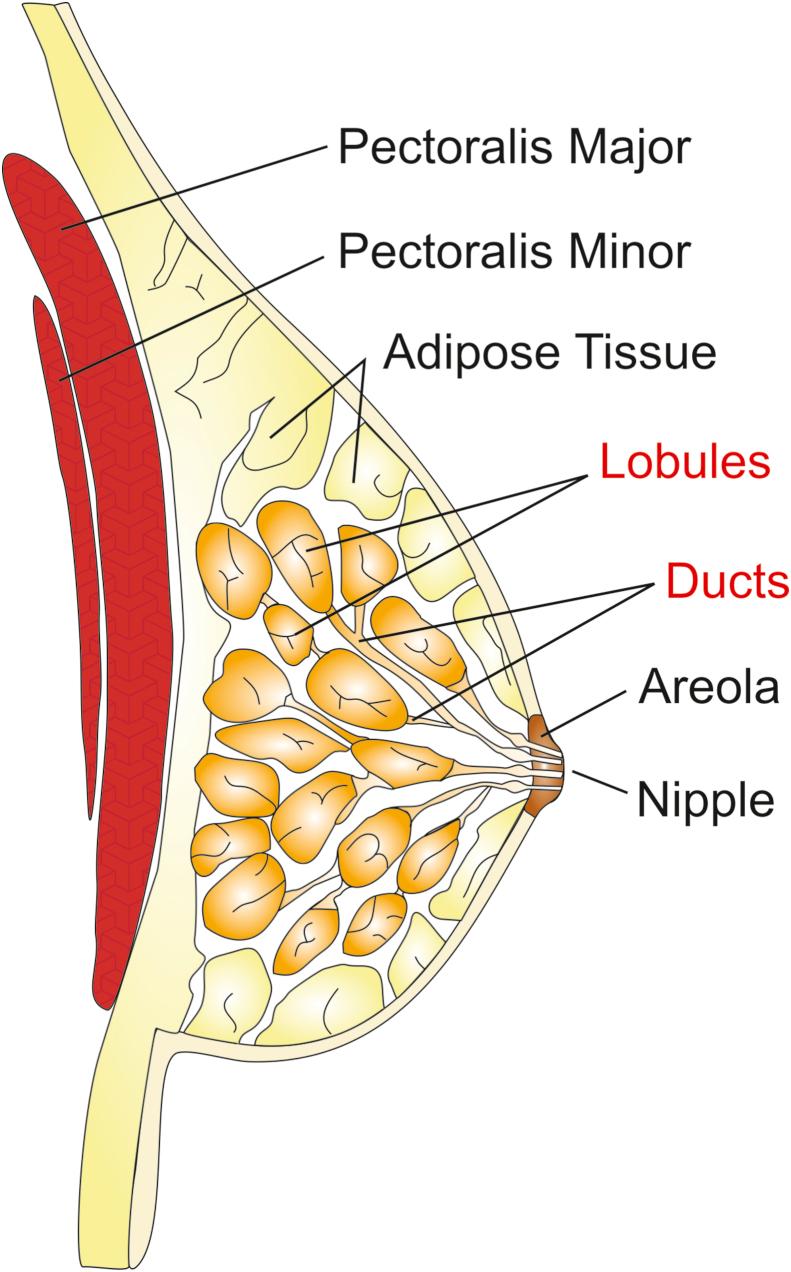
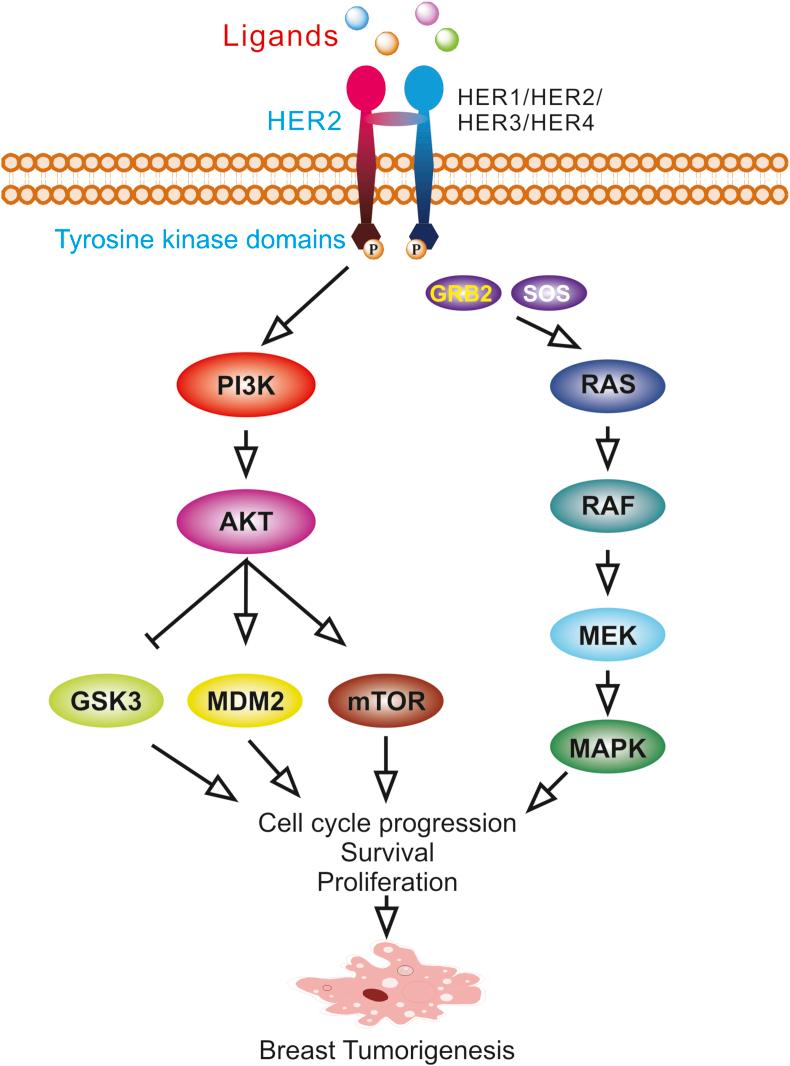
As the most commonly occurring cancer in women worldwide, breast cancer poses a formidable public health challenge on a global scale. Breast cancer consists of a group of biologically and molecularly heterogeneous diseases originated from the breast. While the risk factors associated with this cancer varies with respect to other cancers, genetic predisposition, most notably mutations in or gene, is an important causative factor for this malignancy. Breast cancers can begin in different areas of the breast, such as the ducts, the lobules, or the tissue in between. Within the large group of diverse breast carcinomas, there are various denoted types of breast cancer based on their invasiveness relative to the primary tumor sites. It is important to distinguish between the various subtypes because they have different prognoses and treatment implications. As there are remarkable parallels between normal development and breast cancer progression at the molecular level, it has been postulated that breast cancer may be derived from mammary cancer stem cells. Normal breast development and mammary stem cells are regulated by several signaling pathways, such as estrogen receptors (ERs), HER2, and Wnt/β-catenin signaling pathways, which control stem cell proliferation, cell death, cell differentiation, and cell motility. Furthermore, emerging evidence indicates that epigenetic regulations and noncoding RNAs may play important roles in breast cancer development and may contribute to the heterogeneity and metastatic aspects of breast cancer, especially for triple-negative breast cancer. This review provides a comprehensive survey of the molecular, cellular and genetic aspects of breast cancer.
作为全球女性中最常见的癌症,乳腺癌在全球范围内构成了严峻的公共卫生挑战。乳腺癌是一组起源于乳腺的生物学和分子层面异质性疾病。虽然与这种癌症相关的风险因素与其他癌症不同,但遗传易感性,尤其是BRCA1或BRCA2基因的突变,是这种恶性肿瘤的一个重要致病因素。乳腺癌可始于乳腺的不同部位,如导管、小叶或其间的组织。在种类繁多的乳腺癌群体中,根据其相对于原发肿瘤部位的侵袭性,有多种不同类型的乳腺癌。区分各种亚型很重要,因为它们有不同的预后和治疗意义。由于在分子水平上正常发育与乳腺癌进展之间存在显著的相似之处,因此有人推测乳腺癌可能源自乳腺肿瘤干细胞。正常乳腺发育和乳腺干细胞受多种信号通路调控,如雌激素受体(ERs)、HER2和Wnt/β-连环蛋白信号通路,这些通路控制干细胞增殖、细胞死亡、细胞分化和细胞运动。此外,新出现的证据表明,表观遗传调控和非编码RNA可能在乳腺癌发展中发挥重要作用,并可能导致乳腺癌的异质性和转移特性,尤其是对于三阴性乳腺癌。本综述全面概述了乳腺癌的分子、细胞和遗传方面。



 Zotero 插件