
源自减毒台湾猪流行性腹泻病毒 Pintung 52 株 cDNA 克隆诱导的免疫保护特性。
The Characterization of Immunoprotection Induced by a cDNA Clone Derived from the Attenuated Taiwan Porcine Epidemic Diarrhea Virus Pintung 52 Strain.
机构信息
School of Veterinary Medicine, National Taiwan University, Taipei 10617, Taiwan.
Graduate Institute of Veterinary Pathobiology, College of Veterinary Medicine, National Chung Hsing University, 250 Kuo Kuang Rd, Taichung 402, Taiwan.
出版信息
Viruses. 2018 Oct 4;10(10):543. doi: 10.3390/v10100543.
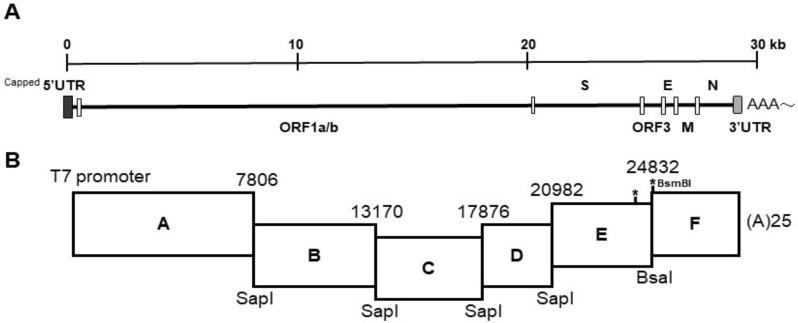
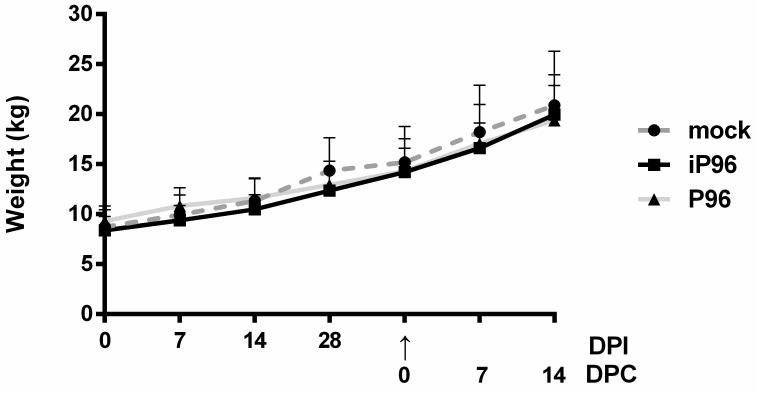
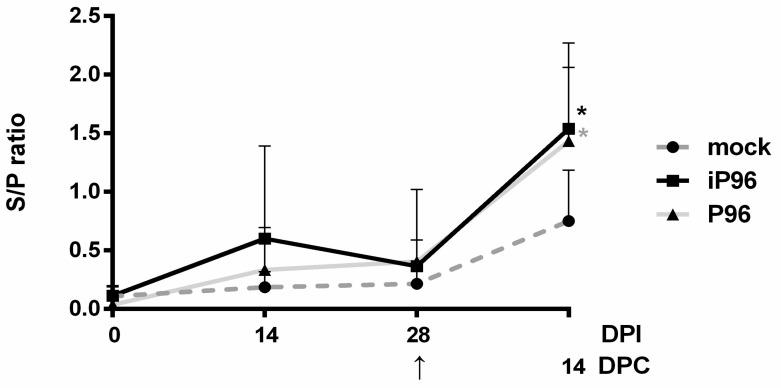
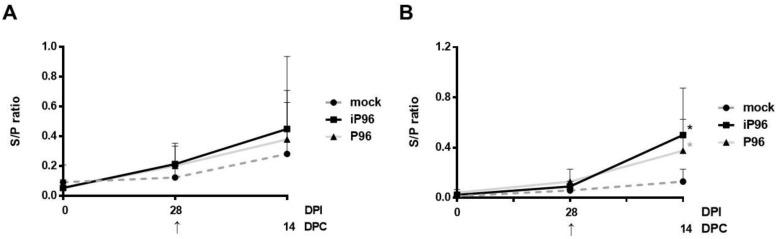
The porcine epidemic diarrhea virus (PEDV) poses a great threat to the global swine industries and the unreliable protection induced by the currently available vaccines remains a major challenge. We previously generated a genogroup 2b (G2b) PEDV Taiwan Pintung 52 (PEDVPT) strain, PEDVPT-P96, and determined its promising host immune response against the virulent PEDVPT-P5 strain. To study the attenuation determinants of PEDVPT-P96 and establish a PEDVPT-P96-based recombinant vector as a vaccine platform for further antigenicity modification, iPEDVPT-P96, a full-length cDNA clone of PEDVPT-P96, was established. Comparing to the parental PEDVPT-P96 virus, the iPEDVPT-P96 virus showed efficient replication kinetics with a delayed decline of viral load and similar but much more uniform plaque sizes in Vero cells. In the 5-week-old piglet model, fecal viral shedding was observed in the PEDVPT-P96-inoculated piglets, whereas those inoculated with iPEDVPT-P96 showed neither detectable fecal viral shedding nor PEDV-associated clinical signs. Moreover, inoculation with iPEDVPT-P96 elicited comparable levels of anti-PEDV specific plasma IgG and fecal/salivary IgA, neutralizing antibody titers, and similar but less effective immunoprotection against the virulent PEDVPT-P5 challenge compared to the parental PEDVPT-P96. In the present study, an infectious cDNA clone of an attenuated G2b PEDV strain was successfully generated for the first time, and the in vitro and in vivo data indicate that iPEDVPT-P96 is further attenuated but remains immunogenic compared to its parental PEDVPT-P96 viral stock. The successful development of the iPEDVPT-P96 cDNA clone could allow for the manipulation of the viral genome to study viral pathogenesis and facilitate the rapid development of effective vaccines.
猪流行性腹泻病毒(PEDV)对全球养猪业构成了巨大威胁,而目前可用疫苗所诱导的不可靠保护仍然是一个主要挑战。我们之前生成了一株基因 2b(G2b)猪流行性腹泻病毒台湾屏东 52 株(PEDVPT),PEDVPT-P96,并确定了其针对强毒 PEDVPT-P5 株的有希望的宿主免疫反应。为了研究 PEDVPT-P96 的衰减决定因素,并建立基于 PEDVPT-P96 的重组载体作为进一步抗原性修饰的疫苗平台,我们构建了全长 cDNA 克隆 iPEDVPT-P96。与亲本 PEDVPT-P96 病毒相比,iPEDVPT-P96 病毒在 Vero 细胞中的复制动力学更有效,病毒载量下降延迟,且噬斑大小相似但更均匀。在 5 周龄仔猪模型中,接种 PEDVPT-P96 的仔猪出现粪便病毒脱落,而接种 iPEDVPT-P96 的仔猪既未检测到粪便病毒脱落,也未出现与 PEDV 相关的临床症状。此外,与亲本 PEDVPT-P96 相比,接种 iPEDVPT-P96 可诱导相当水平的抗 PEDV 特异性血浆 IgG 和粪便/唾液 IgA、中和抗体滴度,以及对强毒 PEDVPT-P5 攻毒的相似但保护效果稍差的免疫保护。在本研究中,我们首次成功生成了一株减毒 G2b PEDV 株的感染性 cDNA 克隆,体外和体内数据表明,与亲本 PEDVPT-P96 病毒相比,iPEDVPT-P96 进一步减毒但仍具有免疫原性。iPEDVPT-P96 cDNA 克隆的成功开发可以允许对病毒基因组进行操作,以研究病毒发病机制,并促进有效疫苗的快速开发。




 Zotero 插件