
蛋白质 N-端甲基转移酶的化学生物学。
Chemical Biology of Protein N-Terminal Methyltransferases.
机构信息
Department of Medicinal Chemistry and Molecular Pharmacology, Center for Cancer Research, Institute for Drug Discovery, Purdue University, West Lafayette, IN, 47907, USA.
出版信息
Chembiochem. 2019 Apr 15;20(8):976-984. doi: 10.1002/cbic.201800615. Epub 2019 Feb 13.
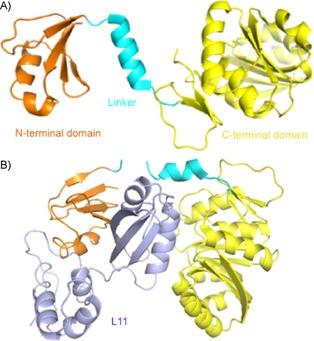
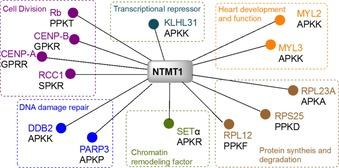
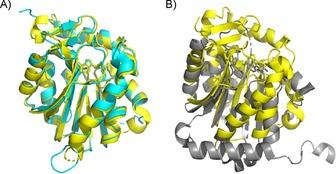
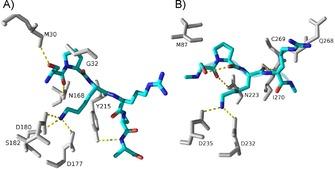
Protein α-N-terminal methylation is catalyzed by protein N-terminal methyltransferases. The prevalent occurrence of this methylation in ribosomes, myosin, and histones implies its function in protein-protein interactions. Although its full spectrum of function has not yet been outlined, recent discoveries have revealed the emerging roles of α-N-terminal methylation in protein-chromatin interactions, DNA damage repair, and chromosome segregation. Herein, an overview of the discovery of protein N-terminal methyltransferases and functions of α-N-terminal methylation is presented. In addition, substrate recognition, mechanisms, and inhibition of N-terminal methyltransferases are reviewed. Opportunities and gaps in protein α-N-terminal methylation are also discussed.
蛋白质α-N-端甲基化是由蛋白质 N-端甲基转移酶催化的。这种甲基化在核糖体、肌球蛋白和组蛋白中的普遍存在表明它在蛋白质-蛋白质相互作用中具有功能。尽管其功能的全貌尚未被描绘出来,但最近的发现揭示了α-N-端甲基化在蛋白质-染色质相互作用、DNA 损伤修复和染色体分离中的新兴作用。本文概述了蛋白质 N-端甲基转移酶的发现以及α-N-端甲基化的功能。此外,还回顾了 N-端甲基转移酶的底物识别、机制和抑制。还讨论了蛋白质α-N-端甲基化的机会和差距。


 Zotero 插件