
阿尔茨海默病转基因小鼠模型中的新生儿神经退行性变
Neonatal Neurodegeneration in Alzheimer's Disease Transgenic Mouse Model.
作者信息
Mazi Aise Rumeysa, Arzuman Aysegul Sumeyye, Gurel Busra, Sahin Betul, Tuzuner Mete Bora, Ozansoy Mehmet, Baykal Ahmet Tarik
机构信息
Regenerative and Restorative Medicine Research Center, REMER, Istanbul, Turkey.
Institute of Health Science, Istanbul Medipol University, Istanbul, Turkey.
出版信息
J Alzheimers Dis Rep. 2018 Apr 12;2(1):79-91. doi: 10.3233/ADR-170049.
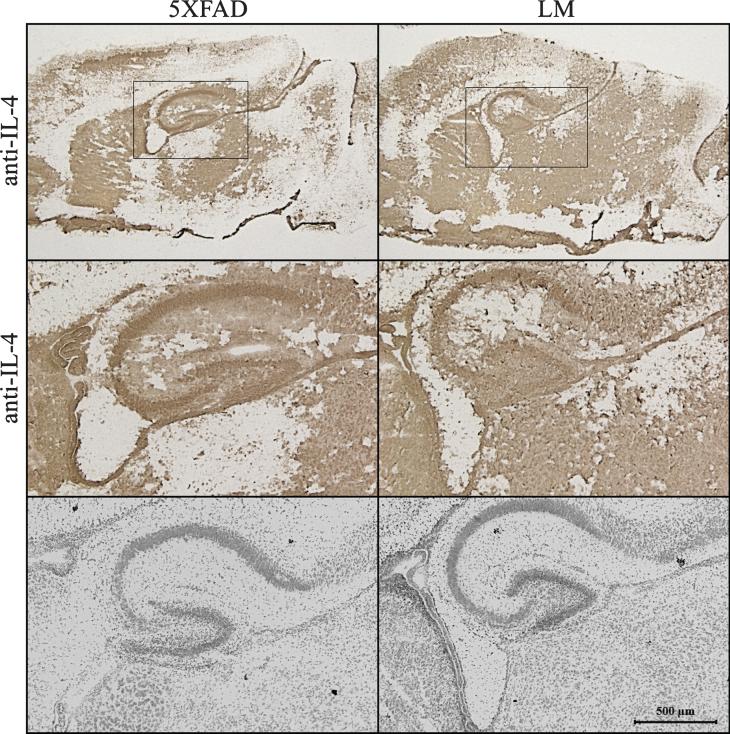
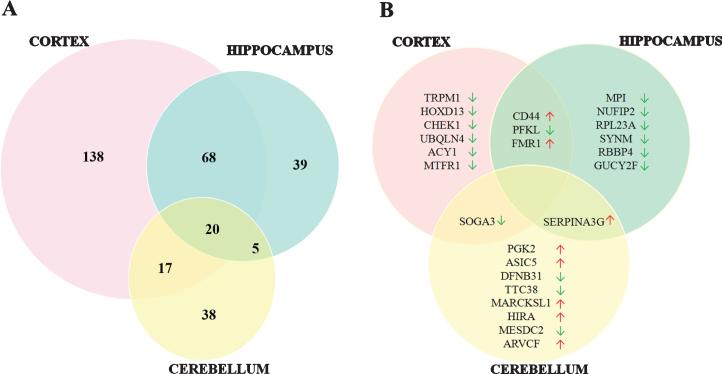
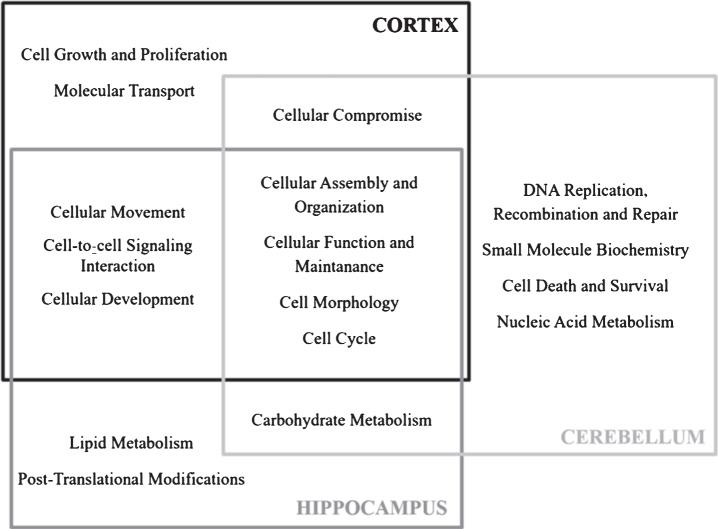
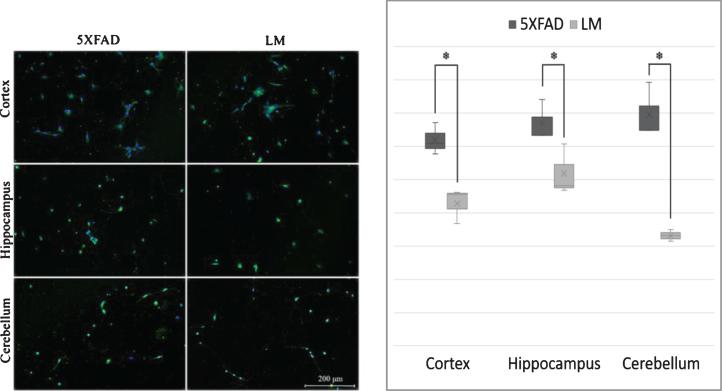
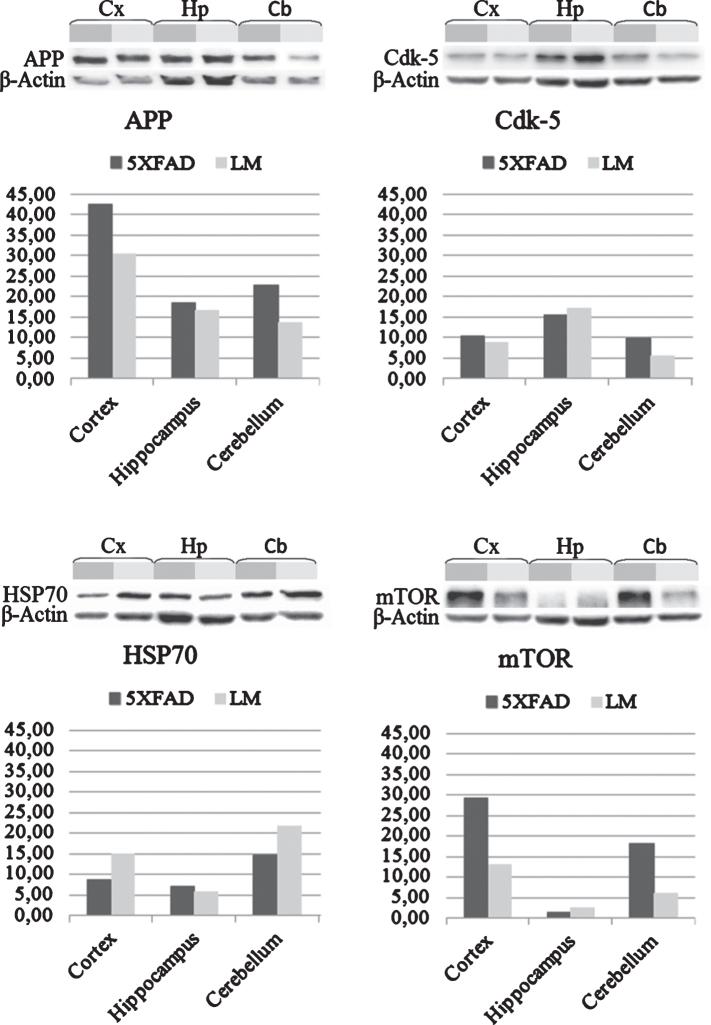
Alzheimer's disease (AD) is a progressive disorder characterized by a variety of molecular pathologies causing cortical dementia with a prominent memory deficit. Formation of the pathology, which begins decades before the diagnosis of the disease, is highly correlated with the clinical symptoms. Several proteomics studies were performed using animal models to monitor the alterations of the brain tissue proteome at different stages of AD. However, proteome changes in the brain regions of newborn transgenic mouse model have not been investigated yet. To this end, we analyzed protein expression alterations in cortex, hippocampus and cerebellum of transgenic mice carrying five familial AD mutations (5XFAD) at neonatal day-1. Our results indicate a remarkable difference in protein expression profile of newborn 5XFAD brain with region specific variations. Additionally, the proteins, which show similar expression alteration pattern in postmortem human AD brains, were determined. Bioinformatics analysis showed that the molecular alterations were mostly related to the cell morphology, cellular assembly and organization, and neuroinflammation. Moreover, morphological analysis revealed that there is an increase in neurite number of 5XFAD mouse neurons . We suggest that, molecular alterations in the AD brain exist even at birth, and perhaps the disease is silenced until older ages when the brain becomes vulnerable.
阿尔茨海默病(AD)是一种进行性疾病,其特征是多种分子病理学变化,导致皮质性痴呆并伴有明显的记忆缺陷。这种病理学变化在疾病诊断前数十年就已开始形成,与临床症状高度相关。已有多项蛋白质组学研究利用动物模型来监测AD不同阶段脑组织蛋白质组的变化。然而,新生转基因小鼠模型脑区的蛋白质组变化尚未得到研究。为此,我们分析了出生第1天携带5种家族性AD突变(5XFAD)的转基因小鼠的皮质、海马体和小脑中的蛋白质表达变化。我们的结果表明,新生5XFAD小鼠脑的蛋白质表达谱存在显著差异,且具有区域特异性变化。此外,还确定了在人类AD死后大脑中表现出相似表达变化模式的蛋白质。生物信息学分析表明,分子变化主要与细胞形态、细胞组装和组织以及神经炎症有关。此外,形态学分析显示5XFAD小鼠神经元的神经突数量增加。我们认为,AD大脑中的分子变化甚至在出生时就已存在,也许这种疾病在大脑变得脆弱的老年之前一直处于沉默状态。

 Zotero 插件