
Iba-1-/CD68+ 小胶质细胞是与年龄相关的深部皮质下白质病变的显著特征。
Iba-1-/CD68+ microglia are a prominent feature of age-associated deep subcortical white matter lesions.
机构信息
Department of Neuroscience, Sheffield Institute for Translational Neuroscience, The University of Sheffield, Sheffield, South Yorkshire, United Kingdom.
School of Computing, Center for Computational Imaging & Simulation Technologies in Biomedicine, The University of Leeds, Leeds, West Yorkshire, United Kingdom.
出版信息
PLoS One. 2019 Jan 25;14(1):e0210888. doi: 10.1371/journal.pone.0210888. eCollection 2019.
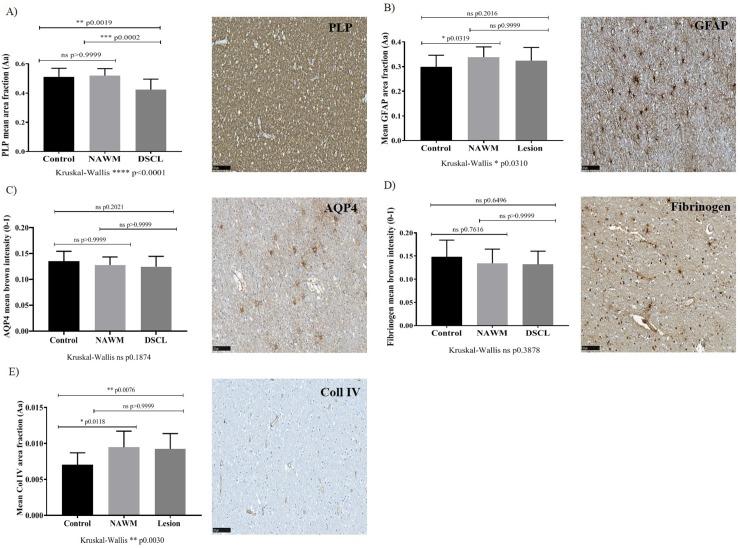
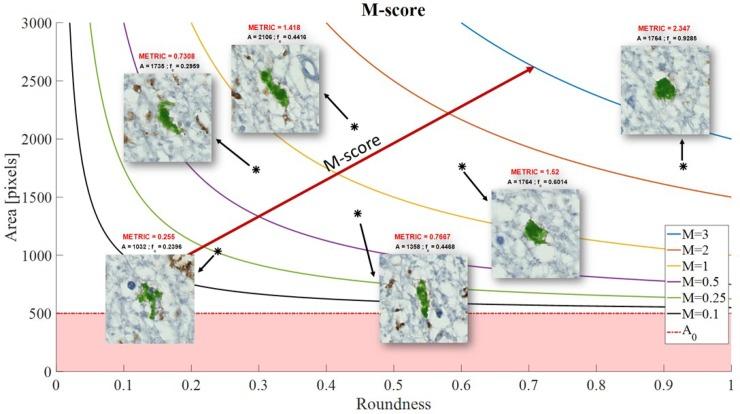
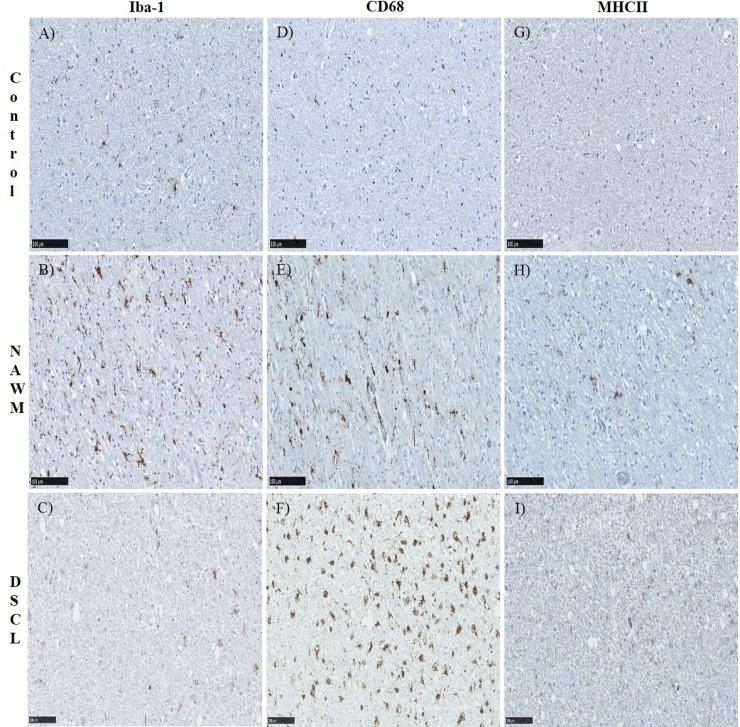
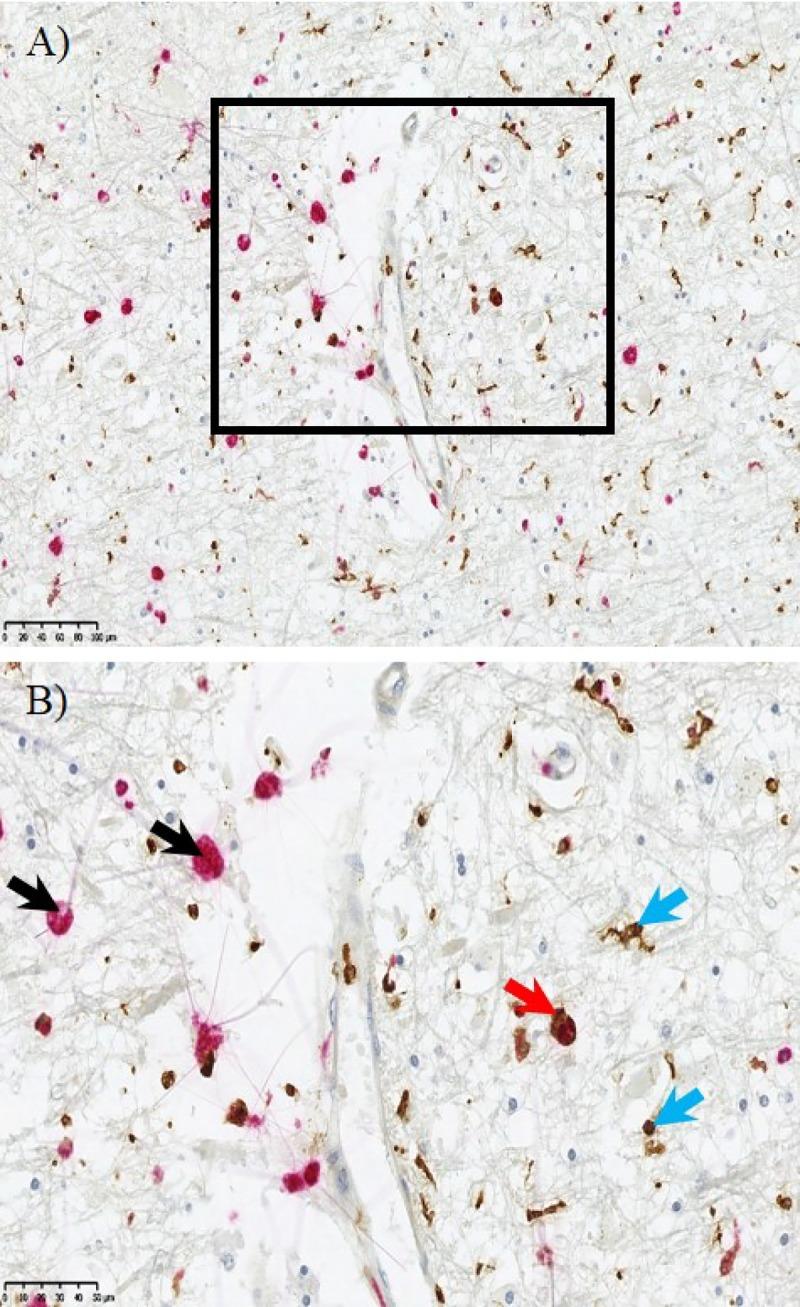
Deep subcortical lesions (DSCL) of the brain, are present in ~60% of the ageing population, and are linked to cognitive decline and depression. DSCL are associated with demyelination, blood brain barrier (BBB) dysfunction, and microgliosis. Microglia are the main immune cell of the brain. Under physiological conditions microglia have a ramified morphology, and react to pathology with a change to a more rounded morphology as well as showing protein expression alterations. This study builds on previous characterisations of DSCL and radiologically 'normal-appearing' white matter (NAWM) by performing a detailed characterisation of a range of microglial markers in addition to markers of vascular integrity. The Cognitive Function and Ageing Study (CFAS) provided control white matter (WM), NAWM and DSCL human post mortem tissue for immunohistochemistry using microglial markers (Iba-1, CD68 and MHCII), a vascular basement membrane marker (collagen IV) and markers of BBB integrity (fibrinogen and aquaporin 4). The immunoreactive profile of CD68 increased in a stepwise manner from control WM to NAWM to DSCL. This correlated with a shift from small, ramified cells, to larger, more rounded microglia. While there was greater Iba-1 immunoreactivity in NAWM compared to controls, in DSCL, Iba-1 levels were reduced to control levels. A prominent feature of these DSCL was a population of Iba-1-/CD68+ microglia. There were increases in collagen IV, but no change in BBB integrity. Overall the study shows significant differences in the immunoreactive profile of microglial markers. Whether this is a cause or effect of lesion development remains to be elucidated. Identifying microglia subpopulations based on their morphology and molecular markers may ultimately help decipher their function and role in neurodegeneration. Furthermore, this study demonstrates that Iba-1 is not a pan-microglial marker, and that a combination of several microglial markers is required to fully characterise the microglial phenotype.
大脑深部皮质下病变(DSCL)存在于约 60%的老年人群中,与认知能力下降和抑郁有关。DSCL 与脱髓鞘、血脑屏障(BBB)功能障碍和小胶质细胞增生有关。小胶质细胞是大脑的主要免疫细胞。在生理条件下,小胶质细胞呈分支状形态,在病理状态下会变为更圆的形态,并伴有蛋白表达改变。本研究在前人对 DSCL 和影像学上“正常表现”的白质(NAWM)的特征描述的基础上,除了血管完整性标志物外,还对一系列小胶质细胞标志物进行了详细的特征描述。认知功能与衰老研究(CFAS)为免疫组织化学提供了对照白质(WM)、NAWM 和 DSCL 人类死后组织,使用小胶质细胞标志物(Iba-1、CD68 和 MHCII)、血管基底膜标志物(胶原 IV)和 BBB 完整性标志物(纤维蛋白原和水通道蛋白 4)。CD68 的免疫反应性呈逐步增加,从对照 WM 到 NAWM 再到 DSCL。这与从小、分支状细胞向更大、更圆的小胶质细胞的转变有关。虽然 NAWM 中的 Iba-1 免疫反应性高于对照,但在 DSCL 中,Iba-1 水平降至对照水平。这些 DSCL 的一个突出特征是存在一群 Iba-1-/CD68+小胶质细胞。胶原 IV 增加,但 BBB 完整性没有变化。总的来说,该研究显示了小胶质细胞标志物免疫反应性特征的显著差异。这种差异是病变发展的原因还是结果仍有待阐明。根据其形态和分子标志物确定小胶质细胞亚群可能有助于最终阐明其在神经退行性变中的功能和作用。此外,本研究表明 Iba-1 不是一种普遍的小胶质细胞标志物,需要结合几种小胶质细胞标志物才能全面描述小胶质细胞表型。


 Zotero 插件