
细胞质丝氨酸羟甲基转移酶的兼职 RNA 结合活性有助于控制丝氨酸代谢的区室化。
The moonlighting RNA-binding activity of cytosolic serine hydroxymethyltransferase contributes to control compartmentalization of serine metabolism.
机构信息
Department of Biochemical Sciences, Sapienza University of Rome - P. le Aldo Moro 5, 00185 Rome, Italy.
Istituto di Biologia e Patologia Molecolari, Consiglio Nazionale delle Ricerche, 00185 Rome, Italy.
出版信息
Nucleic Acids Res. 2019 May 7;47(8):4240-4254. doi: 10.1093/nar/gkz129.
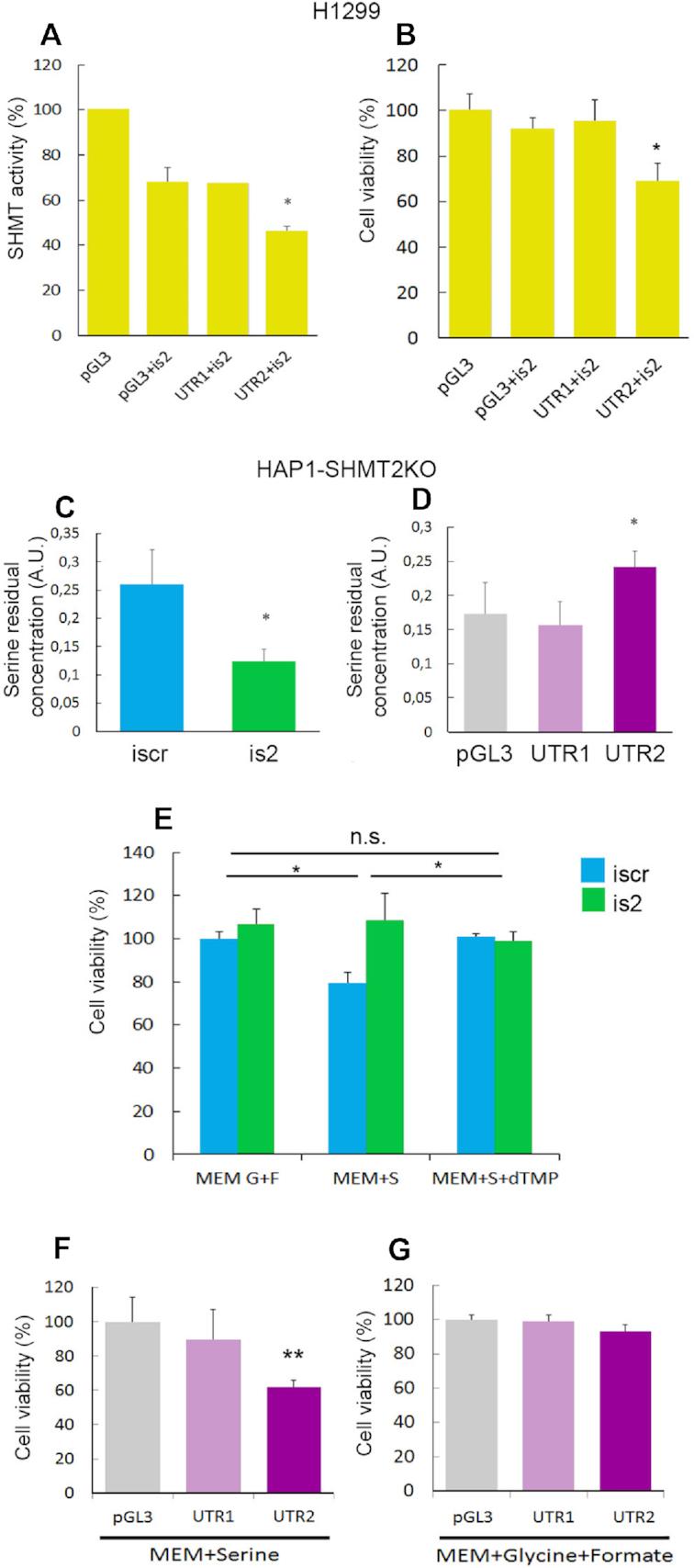
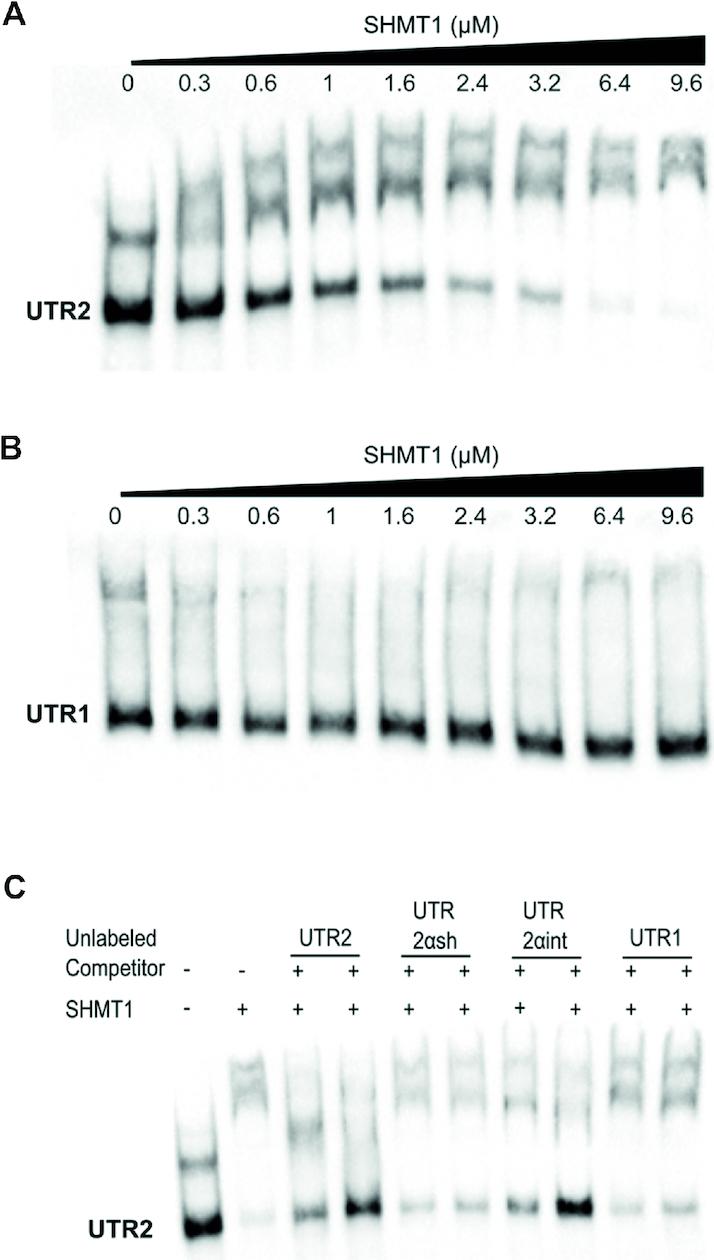
Enzymes of intermediary metabolism are often reported to have moonlighting functions as RNA-binding proteins and have regulatory roles beyond their primary activities. Human serine hydroxymethyltransferase (SHMT) is essential for the one-carbon metabolism, which sustains growth and proliferation in normal and tumour cells. Here, we characterize the RNA-binding function of cytosolic SHMT (SHMT1) in vitro and using cancer cell models. We show that SHMT1 controls the expression of its mitochondrial counterpart (SHMT2) by binding to the 5'untranslated region of the SHMT2 transcript (UTR2). Importantly, binding to RNA is modulated by metabolites in vitro and the formation of the SHMT1-UTR2 complex inhibits the serine cleavage activity of the SHMT1, without affecting the reverse reaction. Transfection of UTR2 in cancer cells controls SHMT1 activity and reduces cell viability. We propose a novel mechanism of SHMT regulation, which interconnects RNA and metabolites levels to control the cross-talk between cytosolic and mitochondrial compartments of serine metabolism.
代谢中间酶常被报道具有 RNA 结合蛋白的兼职功能,并在其主要活性之外具有调节作用。人丝氨酸羟甲基转移酶 (SHMT) 对于一碳代谢至关重要,该代谢为正常和肿瘤细胞的生长和增殖提供支持。在这里,我们在体外和使用癌细胞模型表征细胞质 SHMT (SHMT1) 的 RNA 结合功能。我们表明,SHMT1 通过结合 SHMT2 转录本的 5'非翻译区 (UTR2) 来控制其线粒体对应物 (SHMT2) 的表达。重要的是,体外代谢物调节 RNA 的结合,并且 SHMT1-UTR2 复合物的形成抑制 SHMT1 的丝氨酸切割活性,而不影响相反的反应。将 UTR2 转染到癌细胞中可控制 SHMT1 活性并降低细胞活力。我们提出了一种新的 SHMT 调节机制,它将 RNA 和代谢物水平相互连接起来,以控制丝氨酸代谢的细胞质和线粒体区室之间的串扰。



 Zotero 插件