
泰国儿童环境健康:过去、现在和未来。
Children's Environmental Health in Thailand: Past, Present, and Future.
机构信息
Faculty of Medicine Ramathibodi Hospital, Mahidol University, Centre for Tropical Medicine and Global Health, Nuffield Department of Medicine, University of Oxford, UK.
Mahidol-Oxford Tropical Medicine Research Unit, Faculty of Tropical Medicine, Mahidol University, Bangkok, TH.
出版信息
Ann Glob Health. 2018 Aug 31;84(3):306-329. doi: 10.29024/aogh.2301.
BACKGROUND
There is increasing evidence of a link between environmental pollution and preventable diseases in developing countries, including Thailand. Economic development has generated several types of pollution that can affect population health. While these environmental health effects can be observed throughout life, pregnant women and children represent particularly vulnerable and sensitive groups.
METHODS
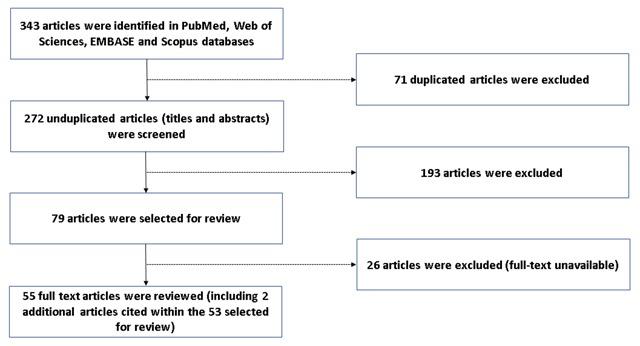
The published epidemiological literature investigating environmental chemical exposure in Thai children was reviewed, highlighting those that investigated associations between exposure and subsequent health outcomes.
RESULTS
The majority of the Thai epidemiological studies on environmental health in children were cross-sectional in design, with some demonstrating associations between exposure and outcome. The three main types of chemical exposure in Thai children were pesticides, heavy metals, and air pollution, which resulted from agricultural activities in countryside areas, industrial zones (both registered and unregistered establishments), mining, and traffic in inner cities. Major health outcomes included detrimental effects on cognitive function and cancer risk. Pesticide exposure was focused on, but not limited to, agricultural areas. The success of the Thai environmental policy to introduce lead-free petrol can be demonstrated by the decline of mean blood lead levels in children, particularly in urban areas. However, unregistered lead-related factories and smelters act as hidden sources. In addition, there is increasing concern, but little acknowledgement, about the effects of chronic arsenic exposure related to mining. Lastly, air pollution remains a problem in both dense city populations due to traffic and in rural areas due to contamination of indoor air and house dust with heavy metals, endotoxins and other allergens.
CONCLUSIONS
The increasing number of published articles demonstrates an improved awareness of children's environmental health in Thailand. Chemical hazards, including the improper use of pesticides, environmental contamination with heavy metals (lead and arsenic), and air pollution in inner cities and indoor air, continue to be growing issues.
背景
越来越多的证据表明,环境污染与发展中国家(包括泰国)的可预防疾病之间存在关联。经济发展产生了多种类型的污染,这些污染会影响人口健康。虽然这些环境健康影响可以在整个生命周期中观察到,但孕妇和儿童是特别脆弱和敏感的群体。
方法
对泰国儿童环境化学暴露的已发表的流行病学文献进行了回顾,重点介绍了那些调查暴露与随后健康结果之间关联的研究。
结果
泰国儿童环境健康的大多数流行病学研究设计都是横断面研究,其中一些研究表明了暴露与结果之间的关联。泰国儿童接触的三种主要化学物质是农药、重金属和空气污染,这些化学物质来源于农村地区的农业活动、工业区(包括注册和未注册的企业)、采矿和城市中心的交通。主要的健康结果包括认知功能受损和癌症风险增加。农药暴露不仅限于农业区。泰国引入无铅汽油的环境政策取得了成功,可以从儿童血液中铅含量的下降(尤其是城市地区)中得到证明。然而,未注册的与铅有关的工厂和冶炼厂则成为了隐藏的污染源。此外,人们越来越关注但尚未得到充分认识的是与采矿有关的慢性砷暴露的影响。最后,空气污染仍然是城市人口密集地区(由于交通)和农村地区(由于室内空气和房屋灰尘中重金属、内毒素和其他过敏原的污染)的一个问题。
结论
越来越多的已发表文章表明,泰国对儿童环境健康的认识有所提高。化学危害,包括农药使用不当、重金属(铅和砷)对环境的污染以及城市中心和室内空气中的空气污染,仍然是日益严重的问题。
 Zotero 插件