
异常的转甲基作用导致肝癌,破坏了氧化还原平衡和葡萄糖生成。
Dysregulated transmethylation leading to hepatocellular carcinoma compromises redox homeostasis and glucose formation.
机构信息
Department of Molecular Physiology & Biophysics, Vanderbilt University, Nashville, TN, USA.
Department of Molecular Physiology & Biophysics, Vanderbilt University, Nashville, TN, USA; Mouse Metabolic Phenotyping Center, Vanderbilt University, Nashville, TN, USA.
出版信息
Mol Metab. 2019 May;23:1-13. doi: 10.1016/j.molmet.2019.02.006. Epub 2019 Feb 25.
OBJECTIVE
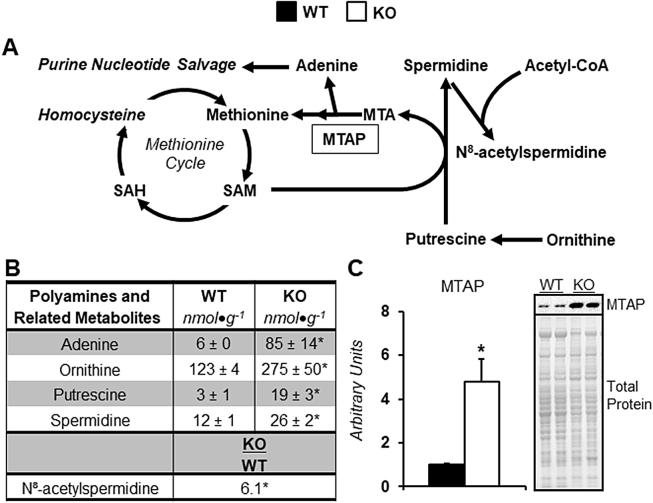
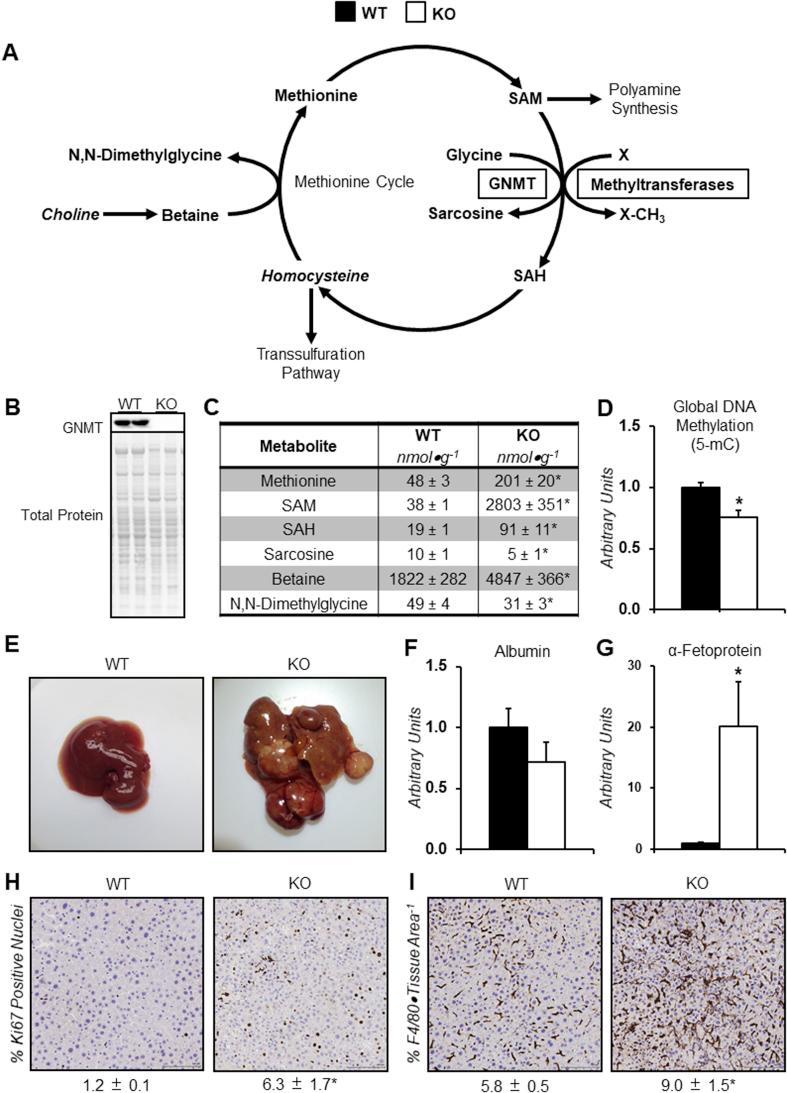
The loss of liver glycine N-methyltransferase (GNMT) promotes liver steatosis and the transition to hepatocellular carcinoma (HCC). Previous work showed endogenous glucose production is reduced in GNMT-null mice with gluconeogenic precursors being used in alternative biosynthetic pathways that utilize methyl donors and are linked to tumorigenesis. This metabolic programming occurs before the appearance of HCC in GNMT-null mice. The metabolic physiology that sustains liver tumor formation in GNMT-null mice is unknown. The studies presented here tested the hypothesis that nutrient flux pivots from glucose production to pathways that incorporate and metabolize methyl groups in GNMT-null mice with HCC.
METHODS
H/C metabolic flux analysis was performed in conscious, unrestrained mice lacking GNMT to quantify glucose formation and associated nutrient fluxes. Molecular analyses of livers from mice lacking GNMT including metabolomic, immunoblotting, and immunochemistry were completed to fully interpret the nutrient fluxes.
RESULTS
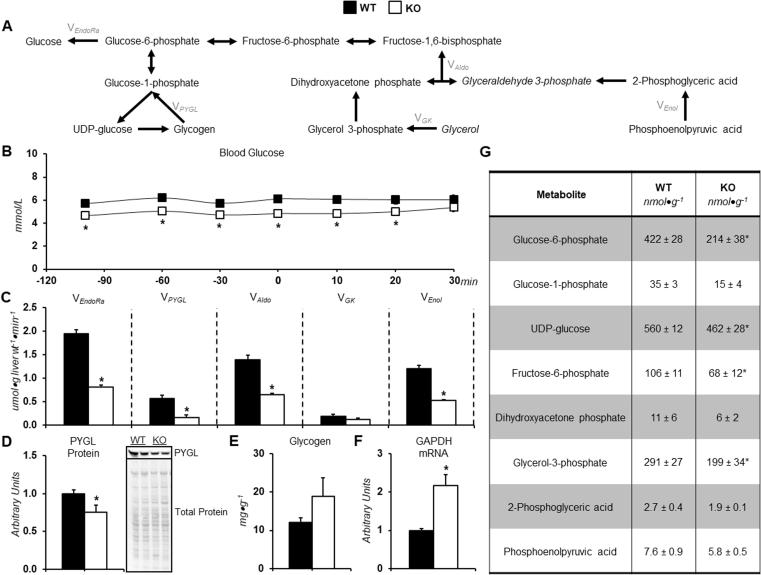
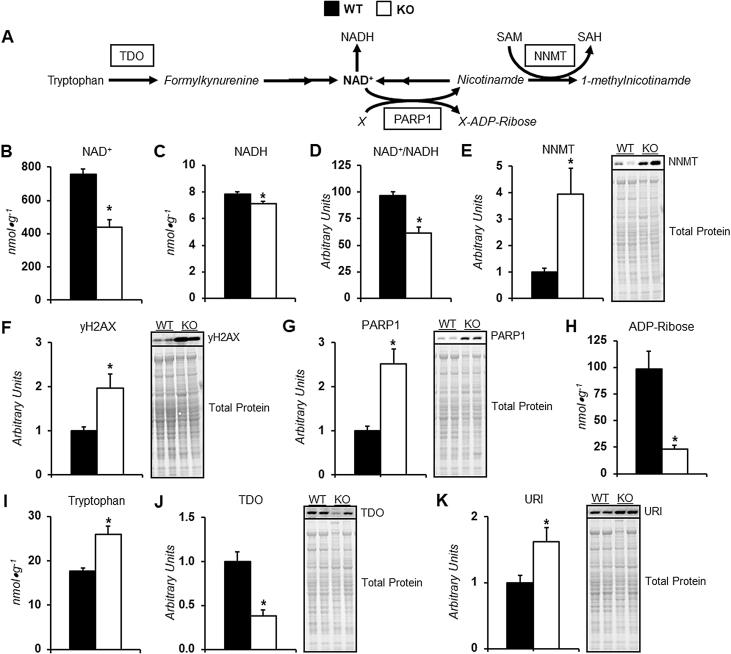
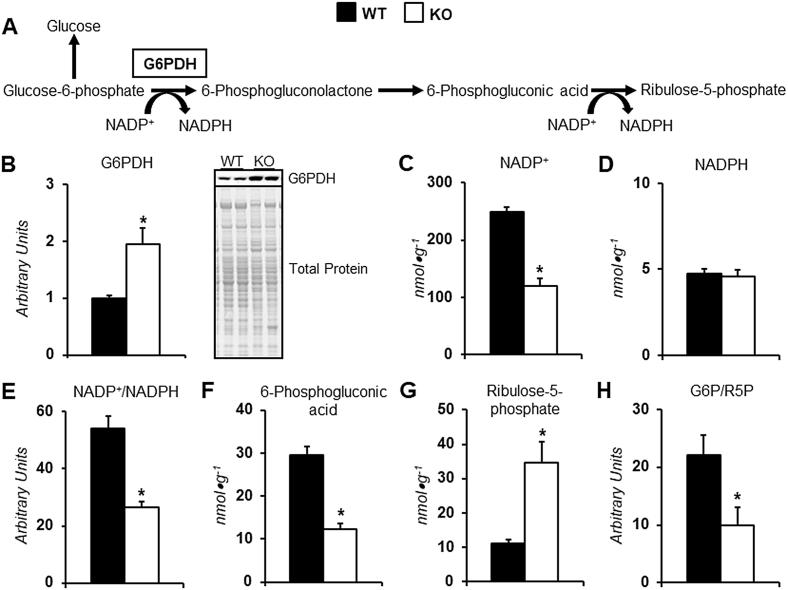
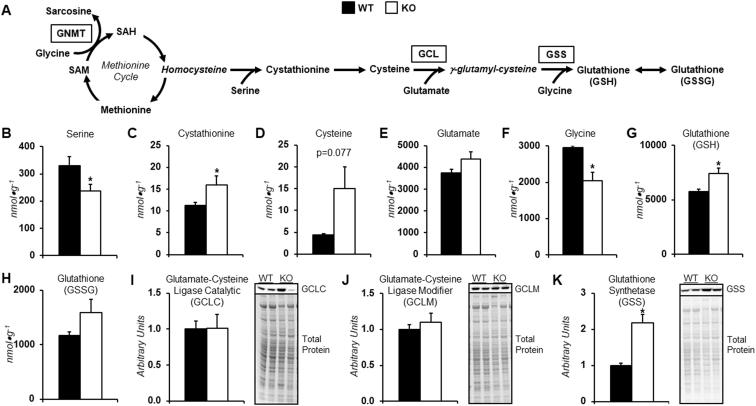
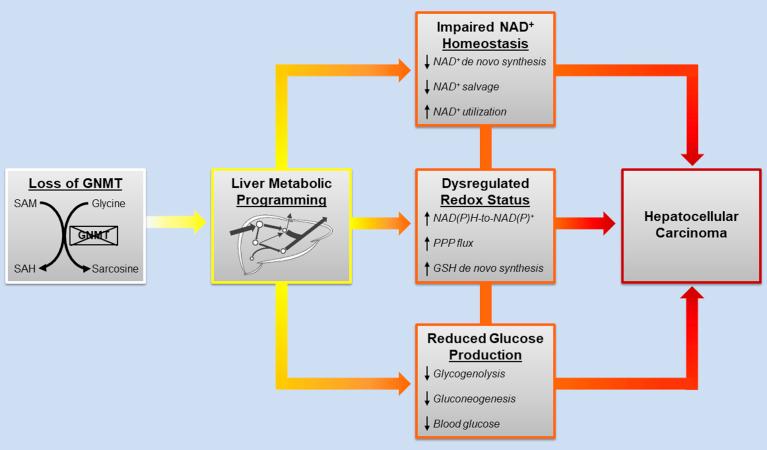
GNMT knockout (KO) mice showed lower blood glucose that was accompanied by a reduction in liver glycogenolysis and gluconeogenesis. NAD was lower and the NAD(P)H-to-NAD(P) ratio was higher in livers of KO mice. Indices of NAD synthesis and catabolism, pentose phosphate pathway flux, and glutathione synthesis were dysregulated in KO mice.
CONCLUSION
Glucose precursor flux away from glucose formation towards pathways that regulate redox status increase in the liver. Moreover, synthesis and scavenging of NAD are both impaired resulting in reduced concentrations. This metabolic program blunts an increase in methyl donor availability, however, biosynthetic pathways underlying HCC are activated.
目的
肝脏甘氨酸 N-甲基转移酶 (GNMT) 的缺失会促进肝脂肪变性和向肝细胞癌 (HCC) 的转化。先前的工作表明,GNMT 缺失的小鼠中内源性葡萄糖生成减少,而糖异生前体被用于替代利用甲基供体的替代生物合成途径,这些途径与肿瘤发生有关。这种代谢编程发生在 GNMT 缺失的小鼠出现 HCC 之前。维持 GNMT 缺失的小鼠肝肿瘤形成的代谢生理学尚不清楚。本文研究旨在检验以下假设:在患有 HCC 的 GNMT 缺失的小鼠中,营养物质通量从葡萄糖生成转移到掺入和代谢甲基的途径。
方法
在意识清醒、不受约束的缺乏 GNMT 的小鼠中进行 H/C 代谢通量分析,以定量葡萄糖生成和相关营养物质通量。对缺乏 GNMT 的小鼠的肝脏进行代谢组学、免疫印迹和免疫化学分析,以全面解释营养物质通量。
结果
GNMT 敲除 (KO) 小鼠的血糖较低,伴有肝糖原分解和糖异生减少。KO 小鼠的 NAD 水平较低,NAD(P)H/NAD(P) 比值较高。KO 小鼠的 NAD 合成和分解指数、戊糖磷酸途径通量和谷胱甘肽合成均失调。
结论
葡萄糖前体通量从葡萄糖生成转移到调节氧化还原状态的途径增加。此外,NAD 的合成和清除都受损,导致浓度降低。这种代谢程序削弱了甲基供体可用性的增加,但 HCC 的生物合成途径被激活。


 Zotero 插件