
龈下和颊黏膜微生物组在慢性和侵袭性牙周炎中的比较:一项初步研究。
Comparison of Subgingival and Buccal Mucosa Microbiome in Chronic and Aggressive Periodontitis: A Pilot Study.
机构信息
National Engineering Laboratory for Digital and Material Technology of Stomatology, Beijing Key Laboratory of Digital Stomatology, Department of Periodontology, National Clinical Research Center for Oral Diseases, Peking University School and Hospital of Stomatology, Beijing, China.
Laboratory of Environmental Microbiology, Department of Energy and Resources Engineering, College of Engineering, Peking University, Beijing, China.
出版信息
Front Cell Infect Microbiol. 2019 Mar 11;9:53. doi: 10.3389/fcimb.2019.00053. eCollection 2019.
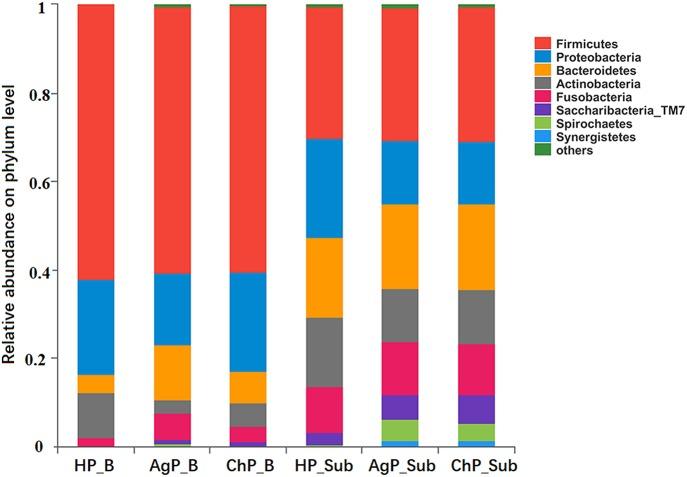
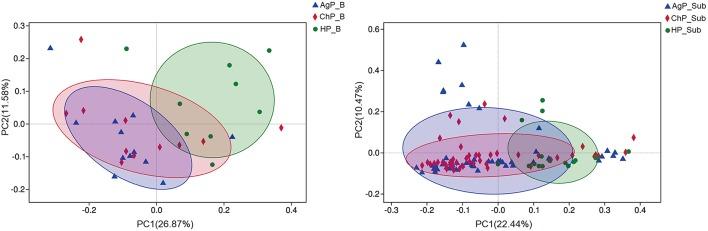
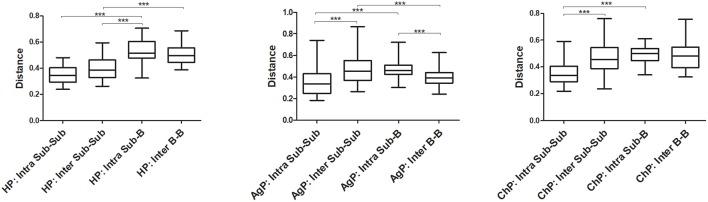
Periodontal microorganisms not only colonize subgingival pockets, but also are detected on various mucous membranes in patients with periodontitis. The object of this pilot study was, using the next-generation sequencing of 16S RNA gene, to characterize the microbiota in two oral habitats (buccal mucosas and subgingival pockets) in patients with different forms of periodontitis. Thirty-two buccal swab samples and 113 subgingival samples were obtained from eleven subjects with chronic periodontitis (ChP), twelve subjects with aggressive periodontitis (AgP), and nine periodontally healthy individuals (HP). Using Miseq Sequencing of 16S rRNA gene, we found that the subgingival and buccal mucosa microbiome of ChP and AgP patients both differed from HP. Meanwhile, significantly increased both in buccal and subgingival plaque samples in periodontitis subjects (ChP and AgP) compared with HP. Moreover, the results based on the Unweighted UniFrac distance showed that buccal and subgingival plaque samples from the same individuals show higher community divergence than same habitats from different subject samples. This study demonstrated that the microbiome of buccal mucosa can be influenced by periodontitis. However, subgingival and buccal mucosa microbiome seem to be characterized by species-specific colonization patterns. This pilot study provides a glimpse at the changes of subgingival and buccal mucosa associated with periodontitis from a holistic view. Further studies should be taken to illuminate the interplay between these detected changes and periodontitis development.
牙周微生物不仅定植于龈下袋,也可在牙周炎患者的各种黏膜上检测到。本初步研究的目的是通过下一代测序 16S RNA 基因,来描述不同形式牙周炎患者两个口腔生境(颊黏膜和龈下袋)的微生物群。从 11 名慢性牙周炎(ChP)患者、12 名侵袭性牙周炎(AgP)患者和 9 名牙周健康个体(HP)中获得 32 个颊拭子样本和 113 个龈下样本。通过 Miseq 测序 16S rRNA 基因,我们发现 ChP 和 AgP 患者的龈下和颊黏膜微生物群均与 HP 不同。同时,与 HP 相比,牙周炎患者(ChP 和 AgP)的颊和龈下菌斑样本中均显著增加。此外,基于无加权 UniFrac 距离的结果表明,来自同一个体的颊和龈下菌斑样本的群落差异大于来自不同个体的相同生境的样本。本研究表明,颊黏膜的微生物组可能受牙周炎的影响。然而,龈下和颊黏膜微生物群似乎具有特定物种定植模式的特点。本初步研究从整体上观察了与牙周炎相关的龈下和颊黏膜的变化。应进一步开展研究以阐明这些检测到的变化与牙周炎发展之间的相互作用。




 Zotero 插件