
转录组分析表明,冷冻保存精子的受精会下调与早期胚胎发育相关的基因。
Transcriptome analysis reveals that fertilization with cryopreserved sperm downregulates genes relevant for early embryo development in the horse.
机构信息
Laboratory of Equine Reproduction and Equine Spermatology, Veterinary Teaching Hospital, University of Extremadura, Cáceres, Spain.
Department of Clinical and Experimental Medicine, Faculty of Medicine and Health Sciences, Linköping University, Linköping, Sweden.
出版信息
PLoS One. 2019 Jun 25;14(6):e0213420. doi: 10.1371/journal.pone.0213420. eCollection 2019.
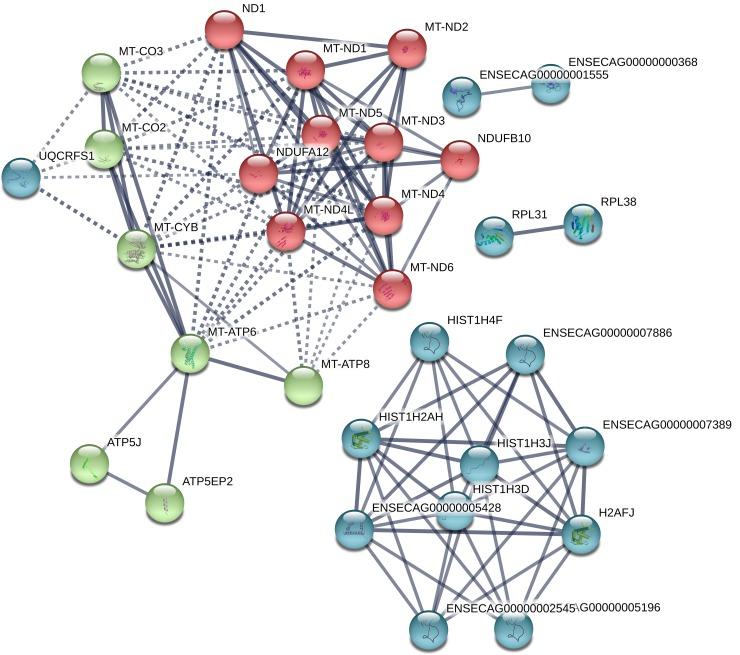
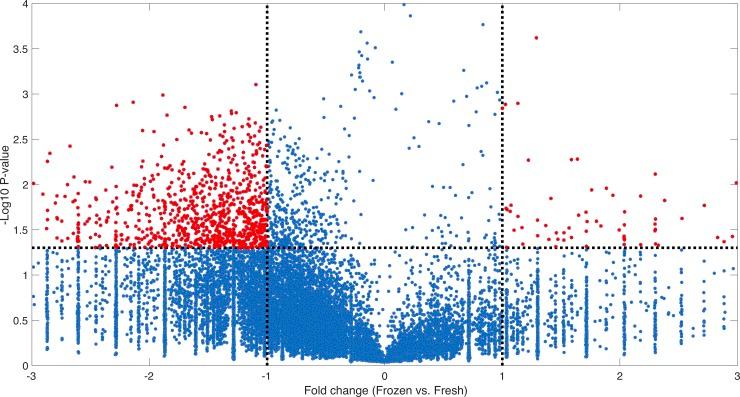
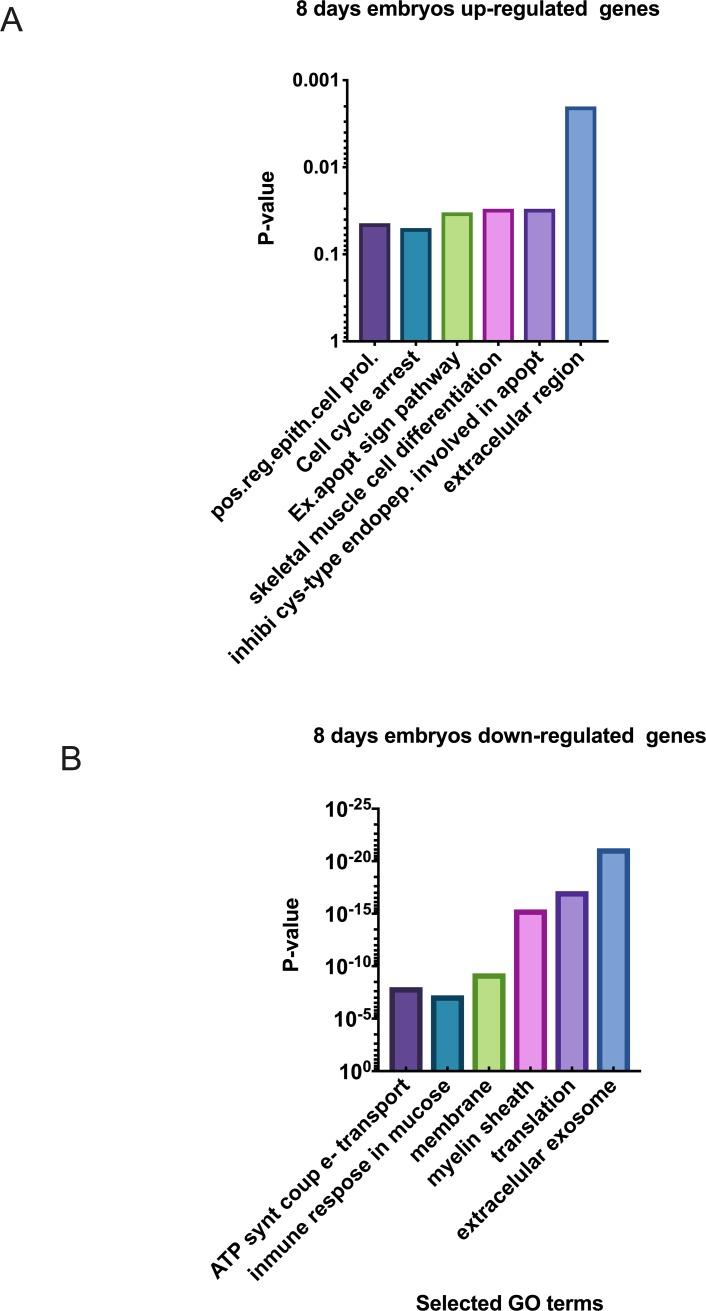
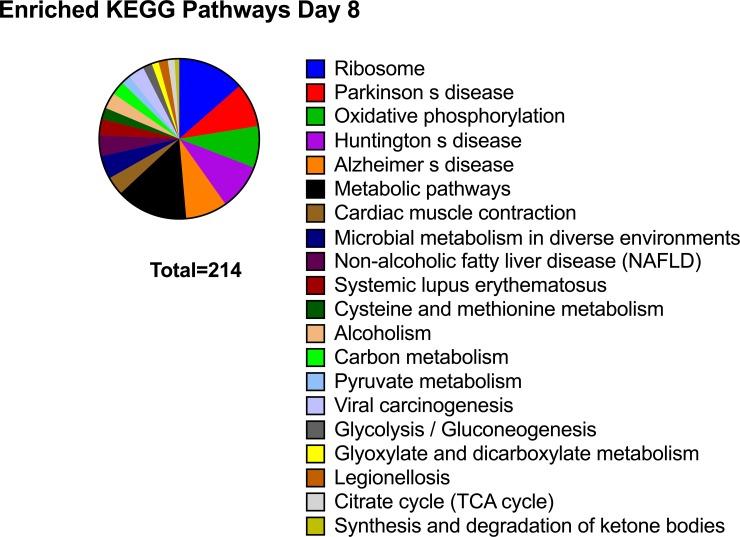
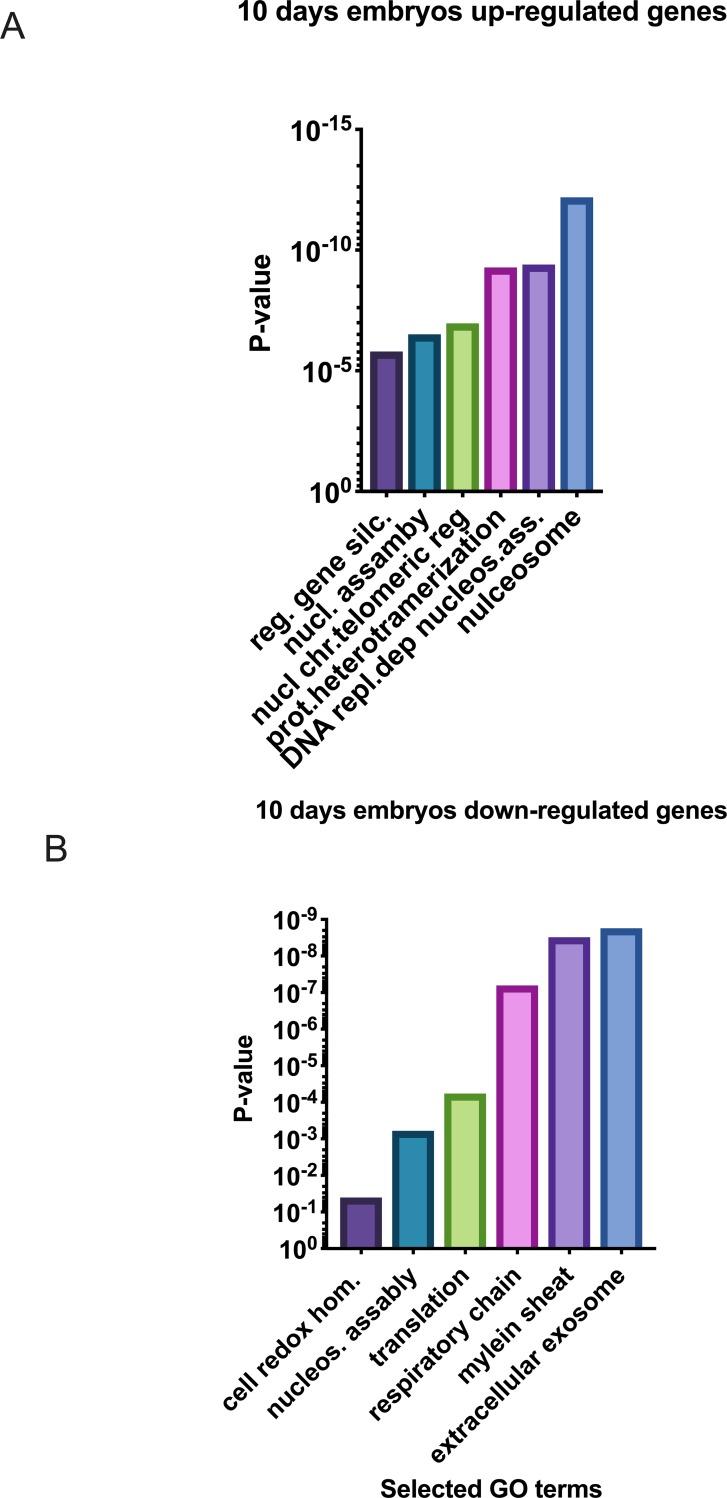
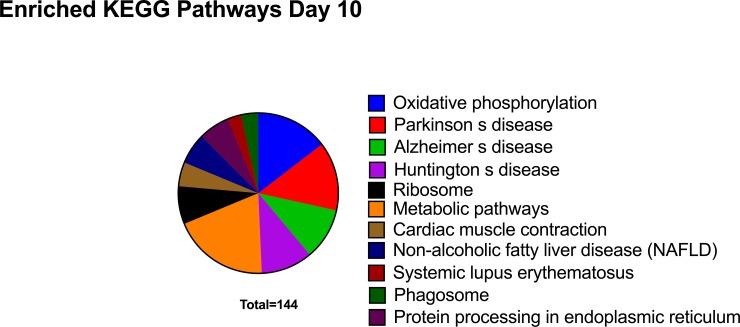
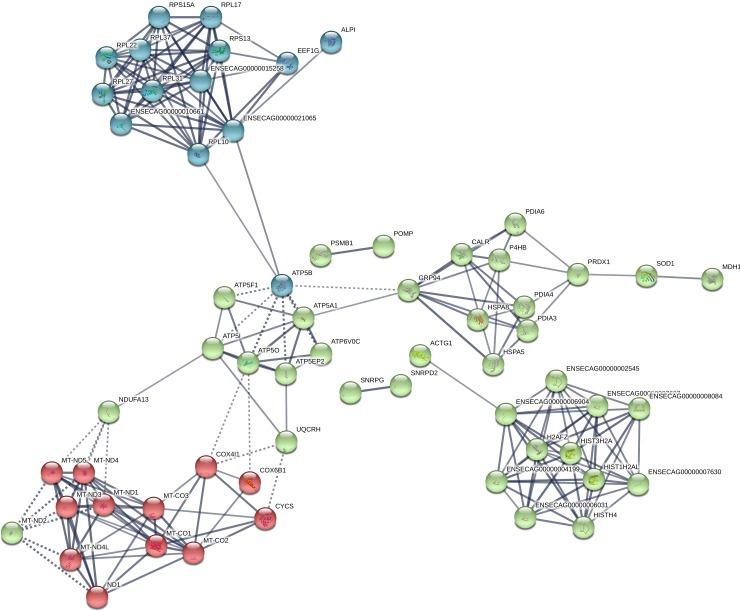
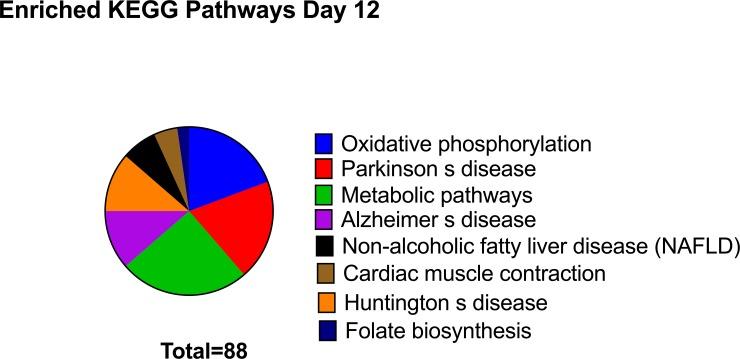
Artificial insemination with cryopreserved spermatozoa is a major assisted reproductive technology in many species. In horses, as in humans, insemination with cryopreserved sperm is associated with lower pregnancy rates than those for fresh sperm, however, direct effects of sperm cryopreservation on the development of resulting embryos are largely unexplored. The aim of this study was to investigate differences in gene expression between embryos resulting from fertilization with fresh or cryopreserved sperm. Embryos were obtained at 8, 10 or 12 days after ovulation from mares inseminated post-ovulation on successive cycles with either fresh sperm or frozen-thawed sperm from the same stallion, providing matched embryo pairs at each day. RNA was isolated from two matched pairs (4 embryos) for each day, and cDNA libraries were built and sequenced. Significant differences in transcripts per kilobase million (TPM) were determined using (i) genes for which the expression difference between treatments was higher than 99% of that in the random case (P < 0.01), and (ii) genes for which the fold change was ≥ 2, to avoid expression bias in selection of the candidate genes. Molecular pathways were explored using the DAVID webserver, followed by network analyses using STRING, with a threshold of 0.700 for positive interactions. The transcriptional profile of embryos obtained with frozen-thawed sperm differed significantly from that for embryos derived from fresh sperm on all days, showing significant down-regulation of genes involved in biological pathways related to oxidative phosphorylation, DNA binding, DNA replication, and immune response. Many genes with reduced expression were orthologs of genes known to be embryonic lethal in mice. This study, for the first time, provides evidence of altered transcription in embryos resulting from fertilization with cryopreserved spermatozoa in any species. As sperm cryopreservation is commonly used in many species, including human, the effect of this intervention on expression of developmentally important genes in resulting embryos warrants attention.
冷冻精子人工授精是许多物种中主要的辅助生殖技术。在马中,与新鲜精子相比,冷冻精子授精与较低的妊娠率相关,然而,精子冷冻对胚胎发育的直接影响在很大程度上尚未被探索。本研究的目的是研究与新鲜或冷冻精子受精产生的胚胎之间的基因表达差异。通过在连续周期中对排卵后母马进行人工授精,使用新鲜精子或来自同一种马的冷冻解冻精子,在每个时间点获得 8、10 或 12 天排卵后的胚胎,提供匹配的胚胎对。从每天的两个匹配对(4 个胚胎)中分离 RNA,并构建 cDNA 文库并进行测序。使用(i)处理之间的表达差异高于随机情况下 99%的基因(P < 0.01),以及(ii)倍数变化≥2 的基因,以避免在候选基因选择中表达偏倚,确定每兆碱基百万转录物(TPM)的显著差异。使用 DAVID 网络服务器探索分子途径,然后使用 STRING 进行网络分析,正相互作用的阈值为 0.700。在所有天数中,用冷冻解冻精子获得的胚胎的转录谱与来自新鲜精子的胚胎明显不同,显示出与氧化磷酸化、DNA 结合、DNA 复制和免疫反应相关的生物学途径中基因的显著下调。许多表达降低的基因是在小鼠中具有胚胎致死性的基因的同源物。本研究首次提供了在任何物种中用冷冻精子受精产生的胚胎中转录改变的证据。由于精子冷冻保存在许多物种中被广泛使用,包括人类,这种干预对发育重要基因表达的影响值得关注。


 Zotero 插件