
冷等离子体抗菌活性的研究现状
The State of Research on Antimicrobial Activity of Cold Plasma.
作者信息
Niedźwiedź Iwona, Waśko Adam, Pawłat Joanna, Polak-Berecka Magdalena
机构信息
Department of Microbiology, Biotechnology and Human Nutrition, University of Life Sciences in Lublin , Lublin , Poland.
Faculty of Electrical Engineering and Computer Science, Lublin University of Technology , Lublin , Poland.
出版信息
Pol J Microbiol. 2019;68(2):153-164. doi: 10.33073/pjm-2019-028.
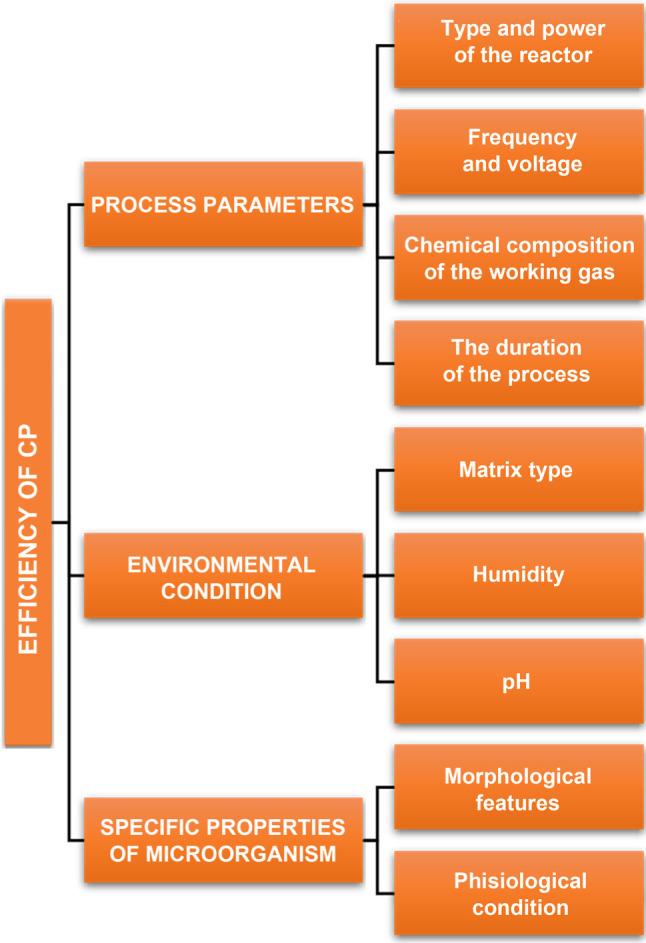
Microbiological contamination is a big challenge to the food industry, medicine, agriculture, and environmental protection. For this reason, scientists are constantly looking for alternative methods of decontamination, which ensure the effective elimination of unwanted biological agents. Cold plasma is a new technology, which due to its unique physical and chemical properties becomes a point of interest to a growing group of researchers. The previously conducted experiments confirm its effective action, e.g. in the disinfection of skin wounds, air, and sewage treatment, as well as in food preservation and decontamination. The reactive compounds present in the plasma: high-energy electrons, ionized atoms and molecules, and UV photons are the key factors that cause an effective reduction in the number of microorganisms. The mechanism and effectiveness of the cold plasma are complex and depend on the process parameters, environmental factors and the type and properties of the microorganisms that are to be killed. This review describes the current state of knowledge regarding the effectiveness of the cold plasma and characterizes its interaction with various groups of microorganisms based on the available literature data. Microbiological contamination is a big challenge to the food industry, medicine, agriculture, and environmental protection. For this reason, scientists are constantly looking for alternative methods of decontamination, which ensure the effective elimination of unwanted biological agents. Cold plasma is a new technology, which due to its unique physical and chemical properties becomes a point of interest to a growing group of researchers. The previously conducted experiments confirm its effective action, e.g. in the disinfection of skin wounds, air, and sewage treatment, as well as in food preservation and decontamination. The reactive compounds present in the plasma: high-energy electrons, ionized atoms and molecules, and UV photons are the key factors that cause an effective reduction in the number of microorganisms. The mechanism and effectiveness of the cold plasma are complex and depend on the process parameters, environmental factors and the type and properties of the microorganisms that are to be killed. This review describes the current state of knowledge regarding the effectiveness of the cold plasma and characterizes its interaction with various groups of microorganisms based on the available literature data.
微生物污染对食品工业、医学、农业和环境保护来说是一个巨大挑战。因此,科学家们一直在寻找替代的去污方法,以确保有效消除有害生物制剂。冷等离子体是一项新技术,由于其独特的物理和化学性质,正成为越来越多研究人员关注的焦点。先前进行的实验证实了其有效作用,例如在皮肤伤口消毒、空气和污水处理以及食品保鲜和去污方面。等离子体中存在的活性化合物:高能电子、离子化原子和分子以及紫外线光子是导致微生物数量有效减少的关键因素。冷等离子体的作用机制和有效性很复杂,取决于工艺参数、环境因素以及要杀灭的微生物的类型和特性。本综述基于现有文献数据描述了关于冷等离子体有效性的当前知识状态,并阐述了其与各类微生物的相互作用。微生物污染对食品工业、医学、农业和环境保护来说是一个巨大挑战。因此,科学家们一直在寻找替代的去污方法,以确保有效消除有害生物制剂。冷等离子体是一项新技术,由于其独特的物理和化学性质,正成为越来越多研究人员关注的焦点。先前进行的实验证实了其有效作用,例如在皮肤伤口消毒、空气和污水处理以及食品保鲜和去污方面。等离子体中存在的活性化合物:高能电子、离子化原子和分子以及紫外线光子是导致微生物数量有效减少的关键因素。冷等离子体的作用机制和有效性很复杂,取决于工艺参数、环境因素以及要杀灭的微生物的类型和特性。本综述基于现有文献数据描述了关于冷等离子体有效性的当前知识状态,并阐述了其与各类微生物的相互作用。


 Zotero 插件