
洛伐他汀抑制鼻咽癌细胞生长分子机制的蛋白质组学分析
Proteomic Analysis of the Molecular Mechanism of Lovastatin Inhibiting the Growth of Nasopharyngeal Carcinoma Cells.
作者信息
Mo Yongzhen, Wang Yumin, Xiong Fang, Ge Xiaolu, Li Zheng, Li Xiayu, Li Yong, Li Xiaoling, Xiong Wei, Li Guiyuan, Zeng Zhaoyang, Guo Can
机构信息
NHC Key Laboratory of Carcinogenesis, Department of Otolaryngology Head and Neck Surgery, Xiangya Hospital, Central South University, Changsha, Hunan 410013, China.
The Key Laboratory of Carcinogenesis and Cancer Invasion of the Chinese Ministry of Education, Cancer Research Institute and School of Basic Medical Science, Central South University, Changsha 410078, China.
出版信息
J Cancer. 2019 May 26;10(10):2342-2349. doi: 10.7150/jca.30454. eCollection 2019.
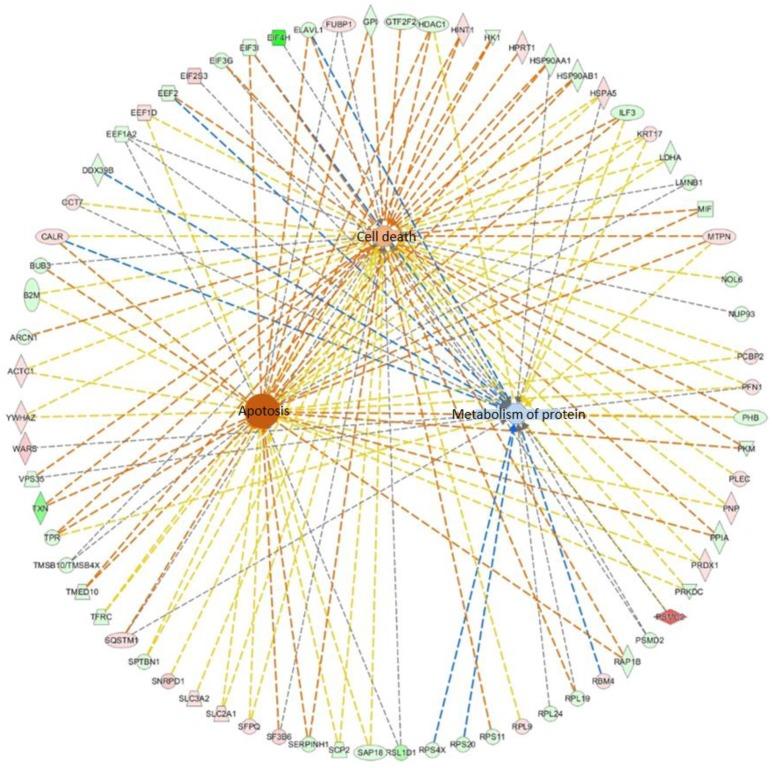
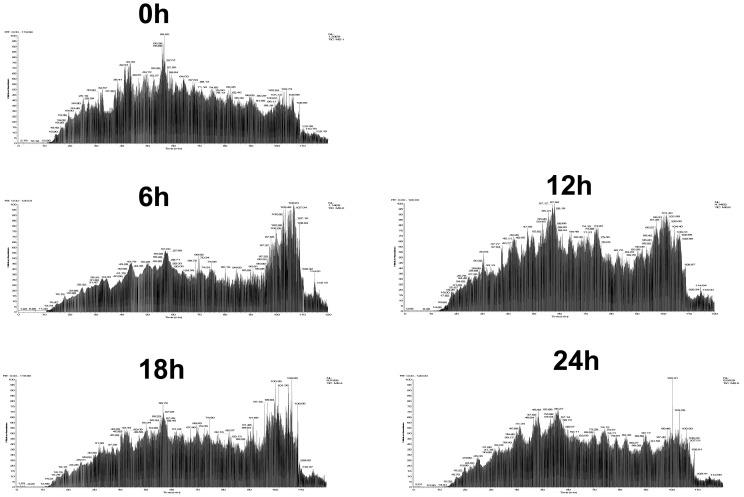
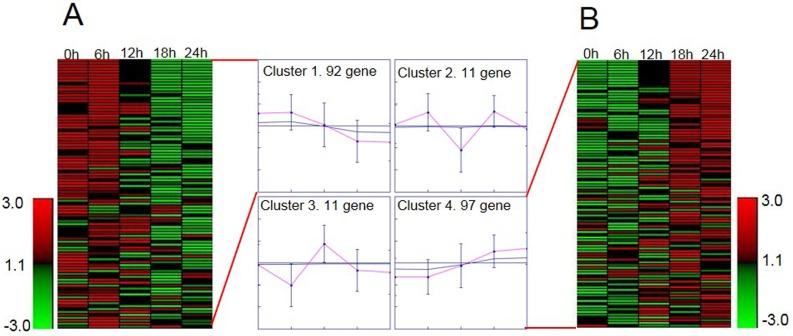
Metabolic abnormalities are one of the essential features of tumors. Increasingly more studies have shown that lovastatin, a lipid-reducing drug, has visible inhibitory effects on tumors, but it has not been reported in nasopharyngeal carcinoma. In this paper, we explored the effects of lovastatin on the growth of nasopharyngeal carcinoma cells and its possible molecular mechanisms. After treating nasopharyngeal carcinoma cells with different concentrations of lovastatin, we found that lovastatin can inhibit the growth of nasopharyngeal carcinoma in a time- and dose-dependent manner. To explore the molecular mechanism of how lovastatin inhibits the growth of nasopharyngeal carcinoma, we examined the proteome of nasopharyngeal carcinoma cells treated at different time points using an LC/MS whole-proteomic strategy. The molecular network of differentially expressed proteins was constructed using IPA software. It was found that lovastatin inhibited the growth of nasopharyngeal carcinoma cells mainly by affecting the EIF2 and the mTOR pathways, which regulate cell metabolism and apoptosis. The results of this study provide a robust basis for further research on the molecular mechanism of lovastatin's inhibition of nasopharyngeal carcinoma cells and provide a reference for the clinical use of lovastatin in the treatment of nasopharyngeal carcinoma.
代谢异常是肿瘤的基本特征之一。越来越多的研究表明,降脂药物洛伐他汀对肿瘤具有明显的抑制作用,但在鼻咽癌方面尚未见报道。在本文中,我们探讨了洛伐他汀对鼻咽癌细胞生长的影响及其可能的分子机制。用不同浓度的洛伐他汀处理鼻咽癌细胞后,我们发现洛伐他汀能以时间和剂量依赖性方式抑制鼻咽癌的生长。为探究洛伐他汀抑制鼻咽癌生长的分子机制,我们采用液相色谱/质谱全蛋白质组学策略检测了在不同时间点处理的鼻咽癌细胞的蛋白质组。使用IPA软件构建差异表达蛋白的分子网络。结果发现,洛伐他汀主要通过影响调节细胞代谢和凋亡的EIF2和mTOR通路来抑制鼻咽癌细胞的生长。本研究结果为进一步研究洛伐他汀抑制鼻咽癌细胞的分子机制提供了有力依据,并为洛伐他汀在鼻咽癌治疗中的临床应用提供了参考。



 Zotero 插件