
细胞外囊泡在心血管疾病中的作用:替代生物标志物来源、治疗剂和药物递送载体。
Extracellular Vesicles in Cardiovascular Diseases: Alternative Biomarker Sources, Therapeutic Agents, and Drug Delivery Carriers.
机构信息
Department of Surgery, Yong Loo Lin School of Medicine, National University of Singapore, Singapore 119228, Singapore.
Cardiovascular Research Institute (CVRI), National University Heart Centre Singapore (NUHCS), Singapore 117599, Singapore.
出版信息
Int J Mol Sci. 2019 Jul 3;20(13):3272. doi: 10.3390/ijms20133272.
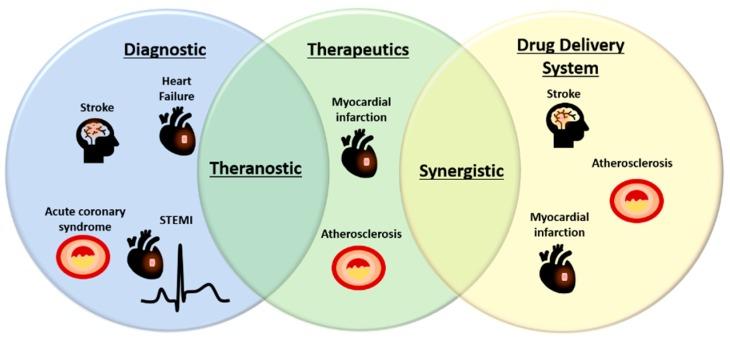
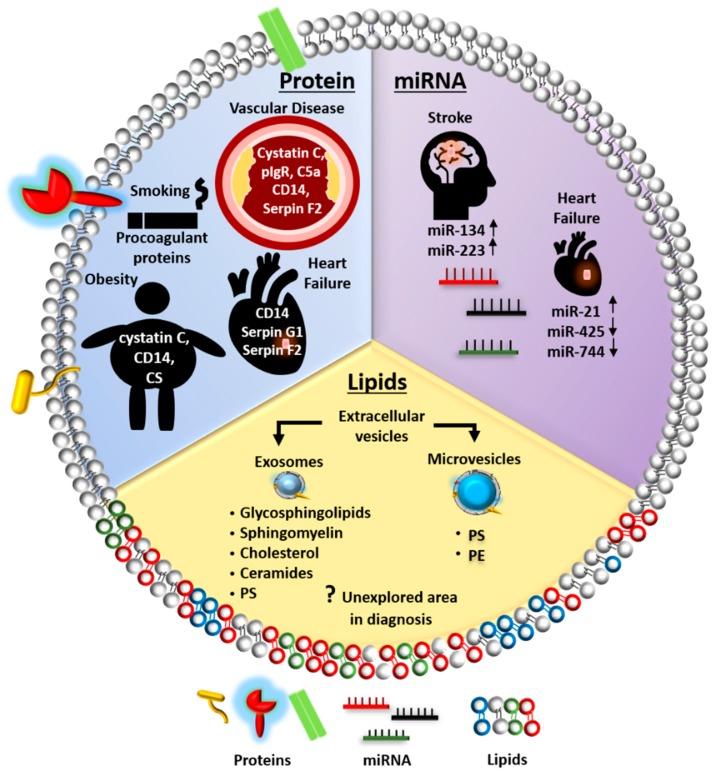
Cardiovascular diseases (CVD) represent the leading cause of morbidity and mortality globally. The emerging role of extracellular vesicles (EVs) in intercellular communication has stimulated renewed interest in exploring the potential application of EVs as tools for diagnosis, prognosis, and therapy in CVD. The ubiquitous nature of EVs in biological fluids presents a technological advantage compared to current diagnostic tools by virtue of their notable stability. EV contents, such as proteins and microRNAs, represent specific signatures of cellular activation or injury. This feature positions EVs as an alternative source of biomarkers. Furthermore, their intrinsic activity and immunomodulatory properties offer EVs unique opportunities to act as therapeutic agents per se or to serve as drug delivery carriers by acting as miniaturized vehicles incorporating bioactive molecules. In this article, we aim to review the recent advances and applications of EV-based biomarkers and therapeutics. In addition, the potential of EVs as a drug delivery and theranostic platform for CVD will also be discussed.
心血管疾病 (CVD) 是全球发病率和死亡率的主要原因。细胞外囊泡 (EVs) 在细胞间通讯中的新兴作用激发了人们重新探索 EVs 作为 CVD 诊断、预后和治疗工具的潜在应用。与当前的诊断工具相比,EVs 在生物体液中的普遍存在具有技术优势,因为它们具有显著的稳定性。EV 内容物,如蛋白质和 microRNAs,代表细胞激活或损伤的特定特征。这一特征使 EVs 成为生物标志物的另一种来源。此外,它们的内在活性和免疫调节特性为 EVs 提供了独特的机会,使其本身可以作为治疗剂,或者通过作为包含生物活性分子的微型载体作为药物递送载体来发挥作用。在本文中,我们旨在综述基于 EV 的生物标志物和治疗剂的最新进展和应用。此外,还将讨论 EV 作为 CVD 的药物递送和治疗平台的潜力。
 Zotero 插件