
靶向启动子置换显示,单纯疱疹病毒1型和2型特异性VP16启动子在感觉神经元中引导进入裂解程序的不同速率。
Targeted Promoter Replacement Reveals That Herpes Simplex Virus Type-1 and 2 Specific VP16 Promoters Direct Distinct Rates of Entry Into the Lytic Program in Sensory Neurons .
作者信息
Thompson Richard L, Sawtell Nancy M
机构信息
Department of Molecular Genetics, Biochemistry, and Microbiology, University of Cincinnati, Cincinnati, OH, United States.
Department of Pediatrics, Division of Infectious Diseases, Cincinnati Children's Hospital Medical Center, Cincinnati, OH, United States.
出版信息
Front Microbiol. 2019 Jul 24;10:1624. doi: 10.3389/fmicb.2019.01624. eCollection 2019.
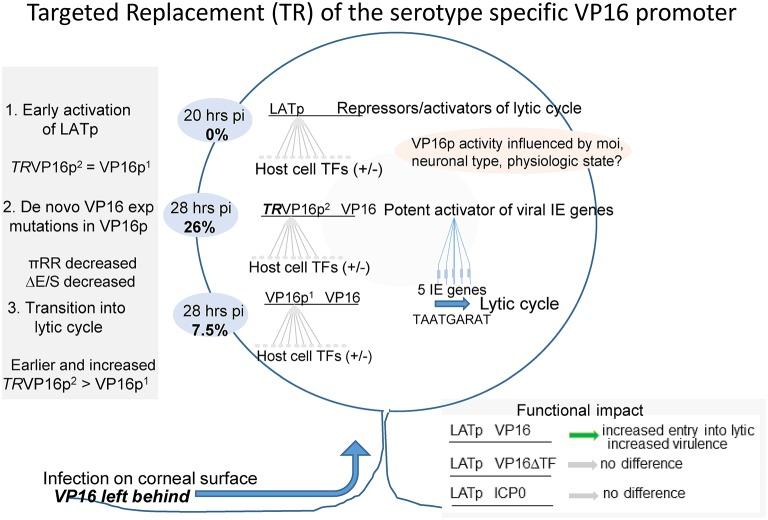
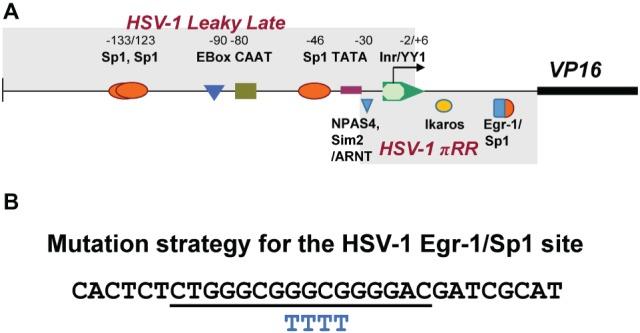
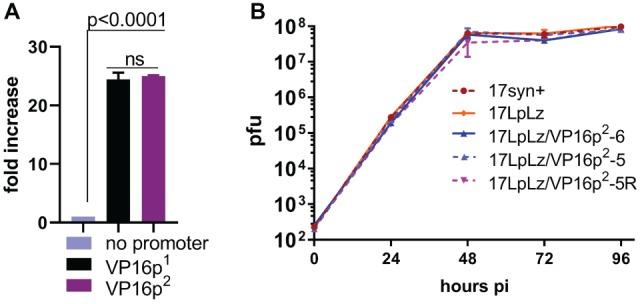
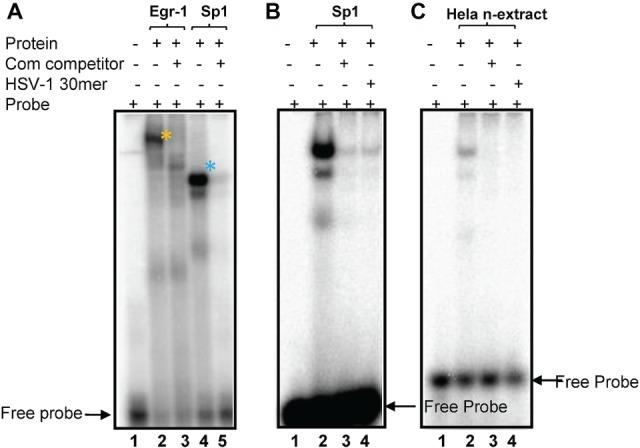
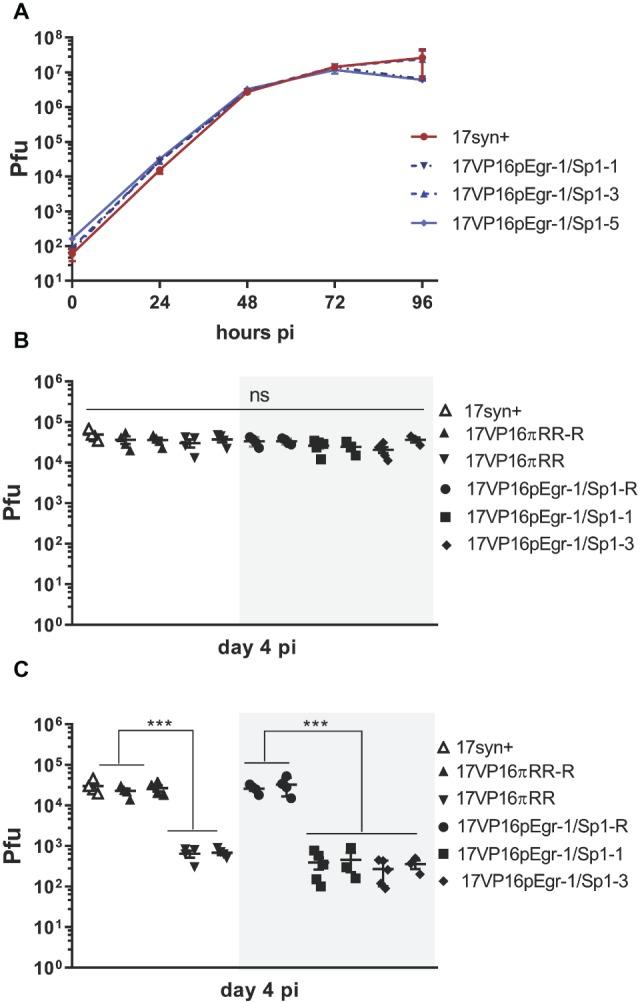
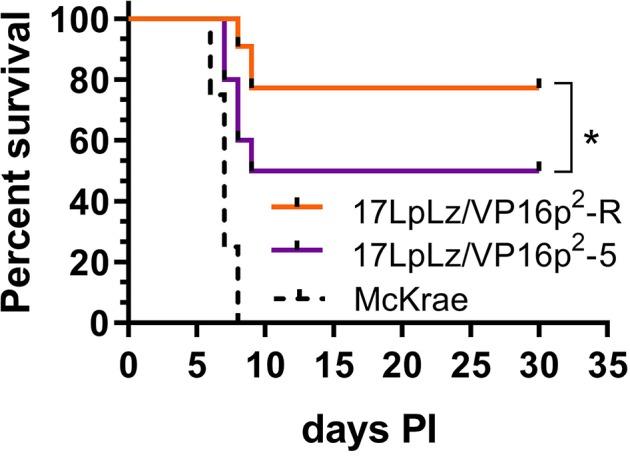
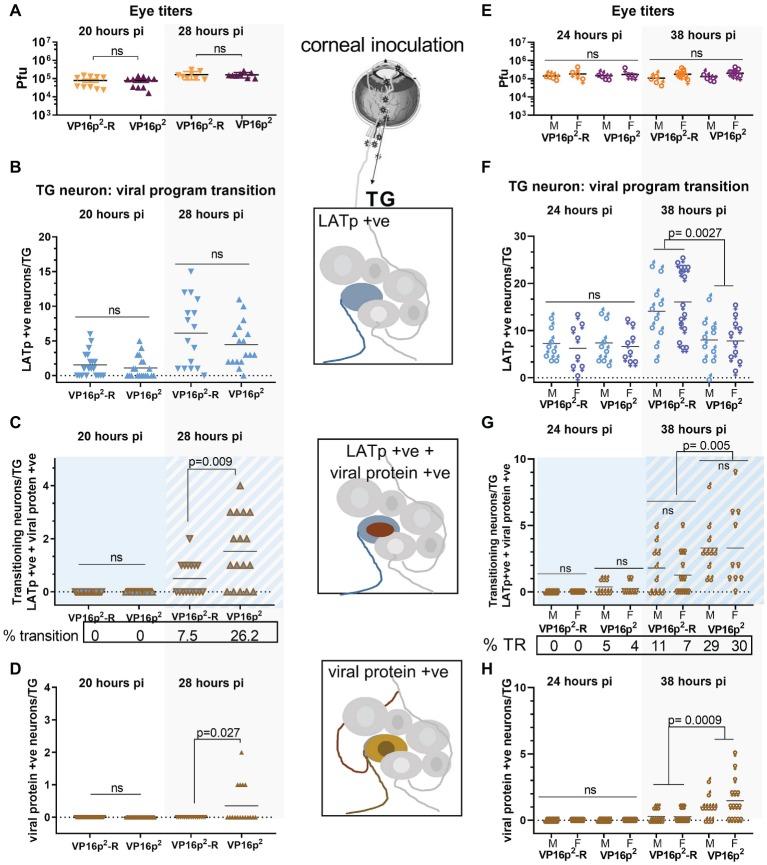
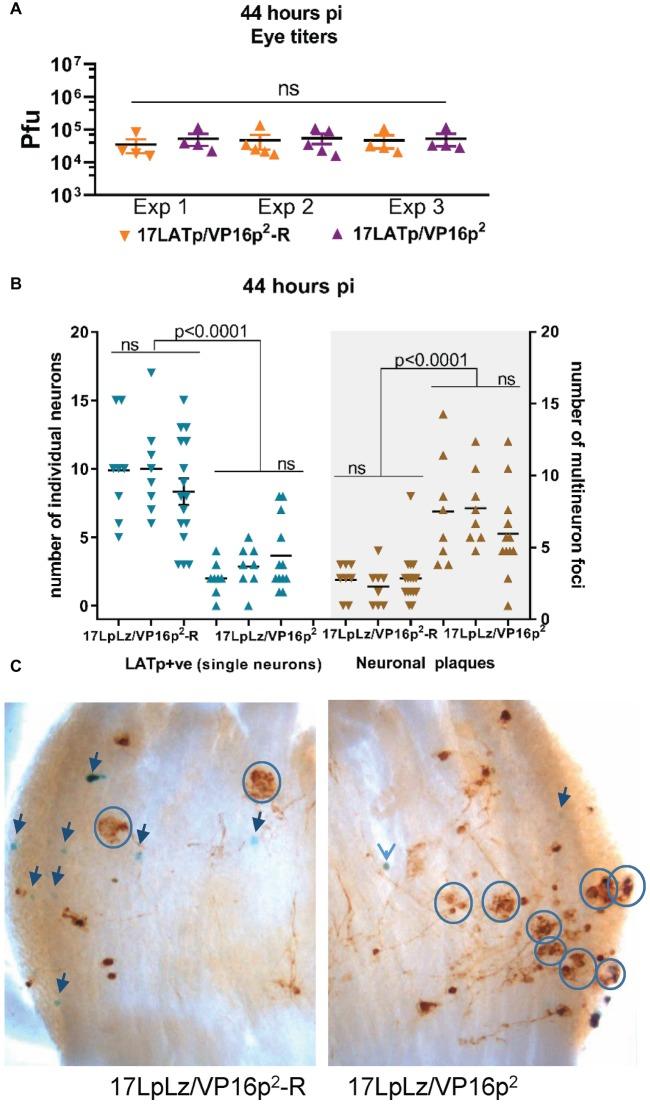
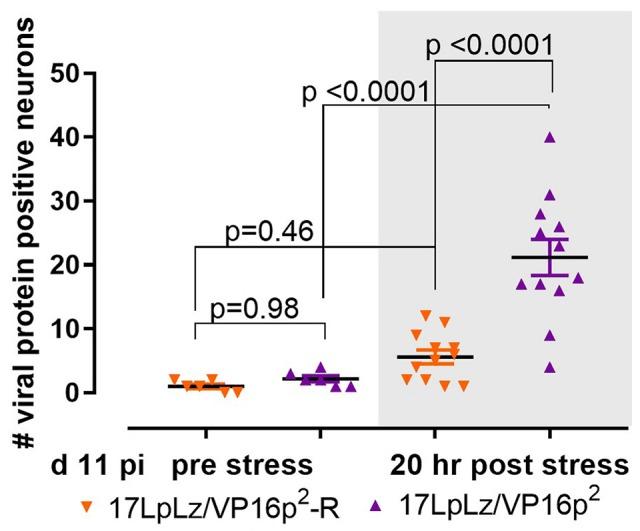
Infection and life-long residence in the human nervous system is central to herpes simplex virus (HSV) pathogenesis. Access is gained through innervating axonal projections of sensory neurons. This distinct mode of entry separates the viral genome from tegument proteins, including the potent transactivator of viral IE genes, VP16. This, in turn, promotes a balance between lytic and latent infection which underlies the ability of the virus to invade, disseminate, and set up a large reservoir of latent infections. In the mouse ocular model, TG neurons marked as either "latent" or "lytic" at 48 h postinfection indicated that these programs were selected early and were considered distinct and mutually exclusive. More recently, a temporal analysis of viral program selection revealed a default latent-like state that begins at ~18 h postinfection and in individual neurons, precedes entry into the viral lytic cycle. Studies using refined viral mutants demonstrated that transition out of this latent program depended upon the transactivation function of VP16. Pursuit of the apparent incongruity between the established leaky-late kinetics of VP16 expression with a "preimmediate-early" function led to the discovery of an unrecognized regulatory feature of the HSV-1 VP16 promoter near/downstream of its TATA box. Among three potential sites identified was a putative Egr-1/Sp1 site. Here, we report that a refined mutation of this site, while having no impact on replication in cultured cells or cornea, resulted in ~100-fold reduction in lytic infection in TG . Notably, the HSV-2 VP16 promoter has 13 direct tandem-repeats of its TATA box forming multiple potential overlapping Egr-1/Sp1 sites. Thus, despite different structures, these promoters might share function in directing the preimmediate-early VP16 protein expression. To test this, the HSV-1 VP16 promoter/5'UTR was replaced by the HSV-2 VP16 promoter/5'UTR in the HSV-1 backbone. Compared to the genomically repaired isolate, the HSV-2 VP16 promoter/5'UTR (1) accelerated the transition into the lytic cycle, and enhanced (2) virulence, and (3) entry into the lytic cycle following a reactivation stressor. These gain-of-function phenotypes support the hypothesis that the VP16 promoter regulates the latent/lytic boundary in neurons and that the HSV-1 and HSV-2 promoter/5'UTRs encode distinct thresholds for this transition.
感染并长期存在于人类神经系统是单纯疱疹病毒(HSV)发病机制的核心。病毒通过感觉神经元的轴突投射进入神经系统。这种独特的进入方式将病毒基因组与包膜蛋白分隔开来,包膜蛋白包括病毒IE基因的强效反式激活因子VP16。这反过来又促进了裂解性感染和潜伏性感染之间的平衡,这是病毒侵袭、传播并建立大量潜伏感染库能力的基础。在小鼠眼部模型中,感染后48小时标记为“潜伏性”或“裂解性”的三叉神经节(TG)神经元表明,这些程序在早期就被选定,且被认为是不同且相互排斥的。最近,对病毒程序选择的时间分析揭示了一种默认的潜伏样状态,这种状态在感染后约18小时开始,在单个神经元中,先于进入病毒裂解周期。使用精细病毒突变体的研究表明,从这种潜伏程序转变取决于VP16的反式激活功能。对已确定的VP16表达的渗漏晚期动力学与其“早即刻早期”功能之间明显不一致的研究,导致在其TATA框附近/下游发现了HSV-1 VP16启动子一个未被识别的调控特征。在确定的三个潜在位点中,有一个推定的Egr-1/Sp1位点。在此,我们报告该位点的精细突变虽然对在培养细胞或角膜中的复制没有影响,但导致TG中的裂解性感染减少了约100倍。值得注意的是,HSV-2 VP16启动子的TATA框有13个直接串联重复序列,形成多个潜在的重叠Egr-1/Sp1位点。因此,尽管结构不同,但这些启动子在指导早即刻早期VP16蛋白表达方面可能具有共同功能。为了验证这一点,在HSV-1骨架中,将HSV-1 VP16启动子/5'非翻译区替换为HSV-2 VP16启动子/5'非翻译区。与基因组修复的分离株相比,HSV-2 VP16启动子/5'非翻译区(1)加速了向裂解周期的转变,并增强了(2)毒力,以及(3)在激活应激源后进入裂解周期的能力。这些功能获得性表型支持了这样的假设,即VP16启动子调节神经元中的潜伏/裂解边界,并且HSV-1和HSV-2启动子/5'非翻译区编码这种转变的不同阈值。


 Zotero 插件